Episode 915: Severe Burn Injuries

Episode 915: Severe Burn Injuries

Contributor: Megan Hurley, MD

Educational Pearls:

  • Initial assessment of patients with severe burn injuries begins with ABCs

    • Airway: consider inhalation injury

    • Breathing: circumferential burns of the trunk region can reduce respiratory muscle movement

    • Circulation: circumferential burns compromise circulation

    • Exposure: Important to assess the affected surface area

  • Escharotomy: emergency procedure to release the tourniquet-ing effects of the eschar

    • Differs from a fasciotomy in that it does not breach the deep fascial layer

  • PEEP = positive end-expiratory pressure

    • The positive pressure remaining in the airway after exhalation

    • Keeps airway pressure higher than atmospheric pressure

  • Common formulas for initial fluid rate in burn shock resuscitation

    • Parkland formula: 4 mL/kg body weight/% TBSA burns (lactated Ringer's solution)

    • Modified Brooke formula: 2 mL/kg/% (also lactated Ringer's solution)

      • Less fluid = lower risk of intra-abdominal compartment syndrome

  • Lactated Ringer's solution is preferred over normal saline in burn injuries

    • Normal saline is avoided in large quantities due to the possibility of it leading to hyperchloremic acidosis

References

  1. Acosta P, Santisbon E, Varon J. "The Use of Positive End-Expiratory Pressure in Mechanical Ventilation." Critical Care Clinics. 2007;23(2):251-261. doi:10.1016/j.ccc.2006.12.012

  2. Orgill DP, Piccolo N. Escharotomy and decompressive therapies in burns. J Burn Care Res. 2009;30(5):759-768. doi:10.1097/BCR.0b013e3181b47cd3

  3. Snell JA, Loh NH, Mahambrey T, Shokrollahi K. Clinical review: the critical care management of the burn patient. Crit Care. 2013;17(5):241. Published 2013 Oct 7. doi:10.1186/cc12706

Summarized by Meg Joyce, MS1 | Edited by Meg Joyce & Jorge Chalit

Donate: https://emergencymedicalminute.org/donate/

Jaksot(1145)

Podcast # 350: Pressors and Ischemia

Podcast # 350: Pressors and Ischemia

Author: Nick Hatch, MD. Educational Pearls: A common concern using vasopressors is the risk of digital and mesenteric ischemia. The absolute risk of digital ischemia and/or mesenteric ischemia is...

9 Heinä 20183min
Podcast # 349: Fat Emboli

Podcast # 349: Fat Emboli

Author: Sue Chilton, MD Educational Pearls: Triad of fat emboli syndrome is a petechial rash, AMS, and respiratory distress. Petechiae usually start in the axilla. 90% of patients with long bon...

4 Heinä 20183min
Podcast # 348: Steakhouse Syndrome

Podcast # 348: Steakhouse Syndrome

Author: Don Stader, MD Educational Pearls: Steakhouse syndrome is an impacted esophageal food bolus. Occurs because they have an esophageal stricture (schatzki ring, scarring, esophagitis). Cla...

2 Heinä 20183min
Podcast # 347: Fasting and Procedural Sedation

Podcast # 347: Fasting and Procedural Sedation

Author: Sam Killian, MD Educational Pearls: Recent study examining fasting and adverse events during procedural sedation found no association between fasting duration and any type of adverse event....

29 Kesä 20183min
Podcast # 346: Pediatric DKA

Podcast # 346: Pediatric DKA

Author: Chris Holmes, MD Educational Pearls: There is a risk of cerebral edema in pediatrics with DKA if over resuscitated. Recent study comparing normal saline vs. ½ normal saline showed no diff...

27 Kesä 20184min
Podcast # 345: Epidural Abscess

Podcast # 345: Epidural Abscess

Author: Sue Chilton, MD Educational Pearls: IV drug use and spinal procedures are major risk factors. Classic triad of back pain, focal neurological deficit and fever. However, presence of fever ...

25 Kesä 20184min
Podcast # 344: Foley troubleshooting

Podcast # 344: Foley troubleshooting

Author: Aaron Lessen, MD. Educational Pearls: When foley is stuck, balloon may not have deflated. Make sure balloon is not in the urethra, which can block drainage. Cut off the port as it may b...

22 Kesä 20183min
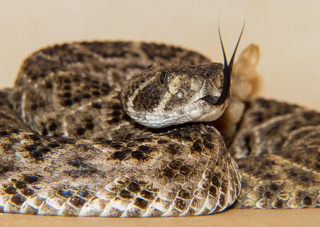
Podcast # 343: Snake Bites

Podcast # 343: Snake Bites

Educational Pearls: Snake bites commonly occur between April and October. Rattlesnake bites are the most common. Venom contains proteins/enzymes that cause local inflammation, coagulopathy, and...

20 Kesä 20186min

Suosittua kategoriassa Tiede

tiedekulma-podcast
rss-mita-tulisi-tietaa
rss-poliisin-mieli
docemilia
radio-antro
rss-duodecim-lehti
rss-ammamafia
rss-sosiopodi
utelias-mieli
ihanat-ipanat
mielipaivakirja
filocast-filosofian-perusteet
rss-bios-podcast
rss-tiedetta-vai-tarinaa