Episode 916: Central Cord Syndrome

Episode 916: Central Cord Syndrome

Contributor: Taylor Lynch, MD

Educational Pearls:

What is Central Cord Syndrome (CCS)?

  • Incomplete spinal cord injury caused by trauma that compresses the center of the cord

  • More common in hyperextension injuries like falling and hitting the chin

  • Usually happens only in individuals with preexisting neck and spinal cord conditions like cervical spondylosis (age-related wear and tear of the cervical spine)

Anatomy of spinal cord

  • Motor tracts

    • The signals the brain sends for the muscles to move travel in the corticospinal tracts of the spinal cord

    • The tracts that control the upper limbs are more central than the ones that control the lower limbs

    • The tracts that control the hands are more central than the ones that control the upper arm/shoulder

  • Fine touch, vibration, and proprioception (body position) tracts

    • These sensations travel in separate tracts in the spinal cord than the sensation of pain and temperature

    • Their pathway is called the dorsal column-medial lemniscus (DCML) pathway

    • This information travels in the most posterior aspect of the spinal cord

  • Pain, crude touch, pressure, and temperature tracts

    • These sensations travel in the spinothalamic tract, which is more centrally located

    • These signals also cross one side of the body to the other within the spinal cord near the level that they enter

How does this anatomy affect the presentation of CCS?

  • Patients typically experience more pronounced weakness or paralysis in their upper extremities as compared to their lower extremities with their hands being weaker than more proximal muscle groups

  • Sensation of pain, crude touch, pressure, and temperature are much morelikely to be diminished while the sensation of fine touch, vibration, and proprioception are spared

What happens with reflexes?

  • Deep tendon reflexes become exaggerated in CCS

  • This is because the disruption in the corticospinal tract removes inhibitory control over reflex arcs

What happens to bladder control?

  • The neural signals that coordinate bladder emptying are disrupted, therefore patients can present with urinary retention and/or urge incontinence

What is a Babinski's Sign?

  • When the sole of the foot is stimulated a normal response in adults is for the toes to flex downward (plantar flexion)

  • If there is an upper motor neuron injury like in CCS, the toes will flex upwards (dorsiflexion)

How is CCS diagnosed?

  • CCS is mostly a clinical diagnosis

  • These patient also need an MRI to see the extent of the damage which will show increased signal intensity within the central part of the spinal cord on T2-weighted images

How is CCS treated?

  • Strict c-spine precautions

  • Neurogenic shock precautions. Maintain a mean arterial pressure (MAP) of 85-90 to ensure profusion of the spinal cord

  • Levophed (norepinephrine bitartrate) and/or phenylephrine can be used to support their blood pressure to support spinal perfusion

  • Consider intubation for injuries above C5 (C3, 4, and 5 keep the diaphragm alive)

  • Consult neurosurgery for possible decompression surgery

  • Physical Therapy

References

  1. Avila, M. J., & Hurlbert, R. J. (2021). Central Cord Syndrome Redefined. Neurosurgery clinics of North America, 32(3), 353–363. https://doi.org/10.1016/j.nec.2021.03.007

  2. Brooks N. P. (2017). Central Cord Syndrome. Neurosurgery clinics of North America, 28(1), 41–47. https://doi.org/10.1016/j.nec.2016.08.002

  3. Engel-Haber, E., Snider, B., & Kirshblum, S. (2023). Central cord syndrome definitions, variations and limitations. Spinal cord, 61(11), 579–586. https://doi.org/10.1038/s41393-023-00894-2

Summarized by Jeffrey Olson, MS3 | Edited by Jorge Chalit, OMS3

Donate: https://emergencymedicalminute.org/donate/

Jaksot(1145)

Podcast 615: Pediatric DKA

Podcast 615: Pediatric DKA

Contributor: Ryan Circh, MD Educational Pearls: Diabetic ketoacidosis (DKA) can be the initial presenting condition of undiagnosed diabetes type I in pediatric patients Unlike adults, children typica...

23 Marras 20205min
Podcast 614: Perichondritis

Podcast 614: Perichondritis

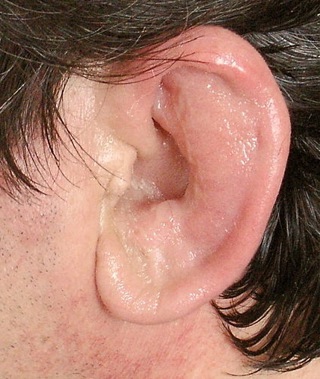
Contributor: Nick Tsipis, MD Educational Pearls: Perichondritis involves infection of not only the connective tissue of the ear but typically the cartilage as well Symptoms include erythema, ear pain...

17 Marras 20204min
Podcast 613: Spontaneous Bacterial Peritonitis

Podcast 613: Spontaneous Bacterial Peritonitis

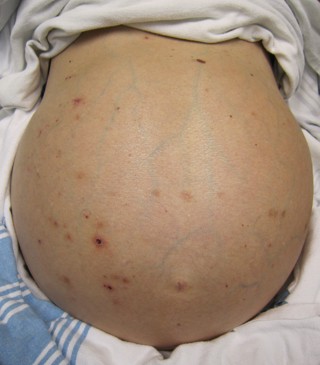
Contributor: Sam Killian, MD Educational Pearls: Spontaneous bacterial peritonitis (SBP) is an infection of peritoneal fluid that typically occurs in cirrhotic patients Symptoms may include abdominal...

16 Marras 20204min

Pharmacy Phriday #3: Drug Shortages in COVID

Pharmacy Phriday #3: Drug Shortages in COVID

Contributor: Rachael Waterson, PharmD Educational Pearls: Drug shortages have been an ongoing issue since the 2000's. Improvement was being made; however, several factors have exacerbated the drug s...

13 Marras 202016min

UnfilterED #11: Dr. Ricky Dhaliwal

UnfilterED #11: Dr. Ricky Dhaliwal

Dr. Tsipis sits down with colleague Dr. Ricky Dhaliwal for some insightful conversation regarding the differences between academic and community settings as well as the various roles of advocacy in me...

11 Marras 202040min
Podcast 612: Origin of Vaccines

Podcast 612: Origin of Vaccines

Contributor: Dave Rosenberg, MD Educational Pearls: The potential of vaccinations was first observed in the late 1600s when Jenner observed people who had cowpox never contracted smallpox, so he inoc...

10 Marras 20204min
Podcast 611: Flu Season in the time of COVID

Podcast 611: Flu Season in the time of COVID

Contributor: Chris Holmes, MD Educational Pearls: During a typical flu season positive rates of flu tests run around ~20% Surveillance data from Australia, South Africa, and Chile showed remarkably l...

9 Marras 20203min
Podcast 610: Swimmers Itch

Podcast 610: Swimmers Itch

Contributor: John Winkler, MD Educational Pearls: Swimmers itch is due to a flatworm parasitic infection that causes an itchy rash after the worm burrows into the skin The flatworm is passed between ...

3 Marras 20203min

Suosittua kategoriassa Tiede

tiedekulma-podcast
rss-mita-tulisi-tietaa
rss-poliisin-mieli
docemilia
radio-antro
utelias-mieli
rss-sosiopodi
ihanat-ipanat
mielipaivakirja
filocast-filosofian-perusteet
rss-bios-podcast
rss-laakaripodi
rss-radplus
rss-opeklubi