
Episode 920: Pediatric Growth Estimates

Episode 920: Pediatric Growth Estimates

Contributor: Sean Fox, MD

Educational Pearls:

  • Newborns may lose up to 10% of their birth weight in the first week of life

    • Weight loss is greatest in exclusively breastfed infants

    • Should regain birth weight by age 2 weeks

  • Newborns should gain an average of 30g (1 oz) per day in the first 3 months of life

    • Some will gain more and some will gain less

  • Infants double their birth weight by 6 months of life and triple their weight by 12 months

    • A 1-year-old should weigh on average 10 kg (22 lbs)

    • A 3-year-old should weigh on average 15 kg (33 lbs)

    • 2-year-olds are between 10-15 kg on average

  • Weight assessment can help determine causes of forceful vomiting

    • Not all "projectile" vomiting is due to pyloric stenosis

    • Some infants may experience vigorous vomiting from overfeeding

  • Weight estimates can also provide information for quick decisions on medical management for children coming via EMS

    • Helps to prepare medications and dosages based on predicted average weight

References

  1. Crossland DS, Richmond S, Hudson M, Smith K, Abu-Harb M. Weight change in the term baby in the first 2 weeks of life. Acta Paediatr. 2008;97(4):425-429. doi:10.1111/j.1651-2227.2008.00685.x

  2. Grummer-Strawn LM, Reinold C, Krebs NF; Centers for Disease Control and Prevention (CDC). Use of World Health Organization and CDC growth charts for children aged 0-59 months in the United States [published correction appears in MMWR Recomm Rep. 2010 Sep 17;59(36):1184]. MMWR Recomm Rep. 2010;59(RR-9):1-15.

  3. Macdonald PD, Ross SR, Grant L, Young D. Neonatal weight loss in breast and formula fed infants. Arch Dis Child Fetal Neonatal Ed. 2003;88(6):F472-F476. doi:10.1136/fn.88.6.f472

  4. Paul IM, Schaefer EW, Miller JR, et al. Weight Change Nomograms for the First Month After Birth. Pediatrics. 2016;138(6):e20162625. doi:10.1542/peds.2016-2625

Summarized & Edited by Jorge Chalit, OMS3

Special thanks to the Carolinas Medical Center for their contribution to this episode

Donate: https://emergencymedicalminute.org/donate/

Jaksot(1145)

Podcast #270: Wound Botulism

Podcast #270: Wound Botulism

Author: Don Stader, M.D. Educational Pearls Wound botulism should be considered in patients with cutaneous lesions and neuromuscular weakness. The toxin produced by clostridium botulinum is the c...

10 Marras 20173min

Podcast #269: Tattoo Ink Complications

Podcast #269: Tattoo Ink Complications

Author: Michael Hunt, M.D. Educational Pearls Tattoo ink is applied below the skin, and because of this, they can lead to keloids, granulomas, tetanus, hepatitis B and C, and skin infections. Tattoo...

8 Marras 20174min
Podcast #268: Poiseuille's Law

Podcast #268: Poiseuille's Law

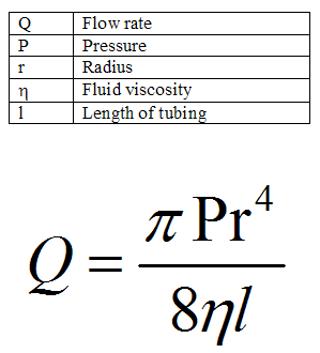
Author: Dave Rosenberg, M.D. Educational Pearls Poiseuille's Law addresses the flow of a fluid through a tube. Many common ED presentations involve alterations in flow: asthma, MI, ischemic stroke, ...

6 Marras 20176min

Podcast #267: Causes of Very High Lactate

Podcast #267: Causes of Very High Lactate

Author: Dylan Luyten, M.D. Educational Pearls Lactate is a byproduct of anaerobic metabolism, a sign of dying tissue. Dangerous causes of high lactates will not normalize with repeat labs. Crush inju...

3 Marras 20173min
Podcast #266: MI in Young Patients

Podcast #266: MI in Young Patients

Author: John Winkler, M.D. Educational Pearls Some risk factors for MI in the young are history of CAD, stimulant drug use, coronary spasm and diabetes. In those with diffuse ST elevations on EKG, th...

1 Marras 20171min
Podcast #265: The 2017 Flu Vaccine

Podcast #265: The 2017 Flu Vaccine

Author: Rachel Beham, PharmD, Advanced Clinical Pharmacist - Emergency Medicine Educational Pearls CDC recommends using the inactivated, injectable flu vaccine in those 6 months and older. The live a...

30 Loka 20174min

Podcast #264: Witnessed Cardiac Arrest

Podcast #264: Witnessed Cardiac Arrest

Author: Aaron Lessen, M.D. Educational Pearls For patients with in-hospital cardiac arrest, intubation in the 1st 15 minutes of resuscitation was associated with worse outcomes (mortality, neurologic...

27 Loka 20172min

Podcast #263: Early Antibiotics in Sepsis

Podcast #263: Early Antibiotics in Sepsis

Educational Pearls After the first hour, every 1 hour delay in antibiotics in a patient with septic shock patient is associated with a 4% increase in mortality. In patients with high suspicion for se...

25 Loka 20172min

Suosittua kategoriassa Tiede

tiedekulma-podcast
rss-mita-tulisi-tietaa
rss-poliisin-mieli
rss-duodecim-lehti
docemilia
utelias-mieli
filocast-filosofian-perusteet
rss-ammamafia
rss-astetta-parempi-elama-podcast
rss-luontopodi-samuel-glassar-tutkii-luonnon-ihmeita
rss-sosiopodi
rss-tiedetta-vai-tarinaa