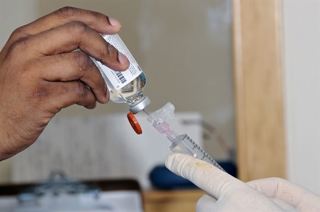
Episode 921: Pediatric Hypoglycemia

Episode 921: Pediatric Hypoglycemia

Contributor: Taylor Lynch, MD

Educational Pearls:

When it comes to hypoglycemia, the age dictates possible causes

  • Neonate:

    • Hormonal deficiency

      • Congenital Adrenal Hyperplasia (21-hydroxylase deficiency, 11β-hydroxylase deficiency)

      • Primary or Secondary Adrenal Insufficiency leading to cortisol deficiency

      • Hypopituitarism

    • Inborn errors of metabolism

    • Systemic infection (Under 30 days old should trigger a full infectious workup)

  • Toddler

    • Accidental ingestions

      • Sulfonylureas such as glipizide or glyburide

  • Older children

    • Addison's Disease (Hypocortisolism)

    • Accidential or intentional ingestions

    • Exogenous insulin

How is it diagnosed?

  • Child or infant

    • Glucose <60

  • Newborn

    • Glucose <45 and symptomatic or glucose <35 and asymptomatic

Treatment

  • Awake: oral glucose

  • Altered: IV glucose

  • Rule of 50's. The dose you give times the concentration should equal 50

    • Neonate to 2 months get 5 mg/kg of D10W (5*10=50)

    • 2 months to 8 years old get 2 mg/kg of D25W (2*25=50)

    • Over 8 gets 1 mg/kg of D50W (1*50=50)

    • Bonus fact: Rough estimate of weight for a child is 2*patients age plus 8

  • Recheck sugar every 15 minutes

  • If they stay hypoglycemic give another bolus and consider starting a drip at 1.5 maintenance dose of D10NS.

  • If you don't have an IV you can consider glucagon at 0.03 mg/kg IM, although you might be better off trying glucose gel buccally.

  • If standard therapy still fails you can give hydrocortisone

    • 25 mg IV for neonates and infants

    • 50 mg IV for toddlers and smaller school aged children

    • 100 mg for anyone older than that

How do you test for exogenous insulin?

  • Check a c-peptide which would be low if a patient is taking exogenous insulin

References

  1. Lang, T. F., & Hussain, K. (2014). Pediatric hypoglycemia. Advances in clinical chemistry, 63, 211–245. https://doi.org/10.1016/b978-0-12-800094-6.00006-6

  2. Lee, S. C., Baranowski, E. S., Sakremath, R., Saraff, V., & Mohamed, Z. (2023). Hypoglycaemia in adrenal insufficiency. Frontiers in endocrinology, 14, 1198519. https://doi.org/10.3389/fendo.2023.1198519

  3. Thompson-Branch, A., & Havranek, T. (2017). Neonatal Hypoglycemia. Pediatrics in review, 38(4), 147–157. https://doi.org/10.1542/pir.2016-0063

Summarized by Jeffrey Olson, MS3 | Edited by Meg Joyce, MS1 & Jorge Chalit, OMS3

Donate: https://emergencymedicalminute.org/donate/

Jaksot(1144)

Brewcast Part III: Cannabinoid Hyperemesis Syndrome

Brewcast Part III: Cannabinoid Hyperemesis Syndrome

Author: Rachael Duncan, PharmD BCPS BCCCP Topic: Rachel explains the science behind one of the most common maladies thought to be induced by chronic cannabis use.

4 Heinä 201714min

Brewcast Part II: Pharmacology of Cannabis

Brewcast Part II: Pharmacology of Cannabis

Author: Brett Marlin, M.D. Topics: Brett explains the biochemical and physiological properties of cannabis.

3 Heinä 201718min

Brewcast Part I: The History of Cannabis in Medicine

Brewcast Part I: The History of Cannabis in Medicine

Author: Don Stader, M.D Topic: Don kicks things off with an overview of the history of marijuana and how it has made its way into medicine.

2 Heinä 201720min

Podcast #224: Troponin

Podcast #224: Troponin

Author: Sam Killian, M.D. Educational Pearls Not every troponin elevation is an MI. Trop elevates in about an hour in ACS and stays elevated for days. Non-MI conditions that cause elevated troponin: ...

1 Heinä 20174min

Podcast #223: Acyclovir Toxicity

Podcast #223: Acyclovir Toxicity

Author: Nick Hatch, M.D. Educational Pearls Acyclovir toxicity can uncommonly cause altered mental status, low blood glucose, hallucinations and myoclonic jerks. Toxicity often occurs in the setting ...

29 Kesä 20172min

Podcast #222: Wells Criteria for PE

Podcast #222: Wells Criteria for PE

Author: Michael Hunt, M.D. Educational Pearls Wells Criteria was initially designed to screen patients for further workup for PE. Aspects of the Wells Criteria include: signs and symptoms of DVT (3...

27 Kesä 20174min

Podcast #221: Walking Corpse Syndrome

Podcast #221: Walking Corpse Syndrome

Podcast #221: Walking Corpse Syndrome Author: Erik Verzemnieks, M.D. Educational Pearls Walking Corpse Syndrome (aka Cotard Delusion) is a very rare psychiatric disorder that leads to the belief that...

25 Kesä 20171min

Podcast #220: A-Fib Cardioversion

Podcast #220: A-Fib Cardioversion

Author: Aaron Lessen, M.D. Educational Pearls Atrial fibrillation is common. One of the best treatments for a fib is cardioversion back into sinus rhythm. Cardioversion may increase stroke risk if A-...

23 Kesä 20172min

Suosittua kategoriassa Tiede

rss-mita-tulisi-tietaa
tiedekulma-podcast
rss-poliisin-mieli
docemilia
rss-duodecim-lehti
utelias-mieli
radio-antro
filocast-filosofian-perusteet
rss-laakaripodi
rss-lihavuudesta-podcast
rss-sosiopodi
ihanat-ipanat
sotataidon-ytimessa
mielipaivakirja
rss-radplus
rss-opeklubi