Episode 921: Pediatric Hypoglycemia

Episode 921: Pediatric Hypoglycemia

Contributor: Taylor Lynch, MD

Educational Pearls:

When it comes to hypoglycemia, the age dictates possible causes

  • Neonate:

    • Hormonal deficiency

      • Congenital Adrenal Hyperplasia (21-hydroxylase deficiency, 11β-hydroxylase deficiency)

      • Primary or Secondary Adrenal Insufficiency leading to cortisol deficiency

      • Hypopituitarism

    • Inborn errors of metabolism

    • Systemic infection (Under 30 days old should trigger a full infectious workup)

  • Toddler

    • Accidental ingestions

      • Sulfonylureas such as glipizide or glyburide

  • Older children

    • Addison's Disease (Hypocortisolism)

    • Accidential or intentional ingestions

    • Exogenous insulin

How is it diagnosed?

  • Child or infant

    • Glucose <60

  • Newborn

    • Glucose <45 and symptomatic or glucose <35 and asymptomatic

Treatment

  • Awake: oral glucose

  • Altered: IV glucose

  • Rule of 50's. The dose you give times the concentration should equal 50

    • Neonate to 2 months get 5 mg/kg of D10W (5*10=50)

    • 2 months to 8 years old get 2 mg/kg of D25W (2*25=50)

    • Over 8 gets 1 mg/kg of D50W (1*50=50)

    • Bonus fact: Rough estimate of weight for a child is 2*patients age plus 8

  • Recheck sugar every 15 minutes

  • If they stay hypoglycemic give another bolus and consider starting a drip at 1.5 maintenance dose of D10NS.

  • If you don't have an IV you can consider glucagon at 0.03 mg/kg IM, although you might be better off trying glucose gel buccally.

  • If standard therapy still fails you can give hydrocortisone

    • 25 mg IV for neonates and infants

    • 50 mg IV for toddlers and smaller school aged children

    • 100 mg for anyone older than that

How do you test for exogenous insulin?

  • Check a c-peptide which would be low if a patient is taking exogenous insulin

References

  1. Lang, T. F., & Hussain, K. (2014). Pediatric hypoglycemia. Advances in clinical chemistry, 63, 211–245. https://doi.org/10.1016/b978-0-12-800094-6.00006-6

  2. Lee, S. C., Baranowski, E. S., Sakremath, R., Saraff, V., & Mohamed, Z. (2023). Hypoglycaemia in adrenal insufficiency. Frontiers in endocrinology, 14, 1198519. https://doi.org/10.3389/fendo.2023.1198519

  3. Thompson-Branch, A., & Havranek, T. (2017). Neonatal Hypoglycemia. Pediatrics in review, 38(4), 147–157. https://doi.org/10.1542/pir.2016-0063

Summarized by Jeffrey Olson, MS3 | Edited by Meg Joyce, MS1 & Jorge Chalit, OMS3

Donate: https://emergencymedicalminute.org/donate/

Jaksot(1144)

UnfilterED #13: Dr. Nadia Tremonti

UnfilterED #13: Dr. Nadia Tremonti

This week's episode features a fascinating conversation with Dr. Nadia Tremonti, medical director for the pediatric palliative care program at Children's Hospital of Michigan in Detroit. Dr. Tremonti ...

22 Huhti 20211h 3min

Podcast 662: Droperidol for Sedation

Podcast 662: Droperidol for Sedation

Contributor:  Aaron Lessen, MD Educational Pearls: Droperidol for sedation in agitated patients in the emergency department was studied compared to ziprasidone (Geodon) and lorazepam (Ativan) Double-...

21 Huhti 20213min
Podcast 661: Scalded Skin Syndrome

Podcast 661: Scalded Skin Syndrome

Contributor:  Ricky Dhaliwal, MD Educational Pearls: Primarily affects children Caused by staph aureus releasing exotoxins that result in erythema and sloughing of the skin Present with significant ...

20 Huhti 20212min
Podcast 660: Rhabdomyolysis

Podcast 660: Rhabdomyolysis

Contributor: Ricky Dhaliwal, MD Educational Pearls: Rhabdomyolysis occurs when high levels of myoglobin are released from dying muscle tissue into the blood Severe levels of myoglobin cause renal in...

19 Huhti 20215min
Podcast 659: Racial Bias in Pulse Oximetry

Podcast 659: Racial Bias in Pulse Oximetry

Contributor:  Aaron Lessen, MD Educational Pearls: Study in NEJM looked at occult hypoxemia, when oxygen saturation reads at >92% when the actual saturation is Rate of occult hypoxemia was 3 times h...

14 Huhti 20213min
Podcast 658: Febrile Seizures

Podcast 658: Febrile Seizures

Contributor: Peter Bakes, MD Educational Pearls: Febrile Seizure clinical criteria 6 months - 5 years of age Rapid rise in temp No preexisting seizure disorder No other explanation for the seizure...

13 Huhti 20214min
Podcast 657: Caustic Ingestion

Podcast 657: Caustic Ingestion

Contributor: Aaron Lessen, MD Educational Pearls: Acid and alkali ingestions have differing prognosis and immediate concerns Immediate issues can include superficial irritation, severe burns, esopha...

12 Huhti 20213min
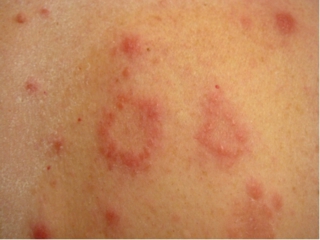
Podcast 656: Rashes

Podcast 656: Rashes

Contributor:  Peter Bakes, MD Educational Pearls: Lyme disease gives a single expanding target lesion with central clearing called erythema chronicum migrans Erythema multiforme is another targetoid ...

7 Huhti 20217min

Suosittua kategoriassa Tiede

tiedekulma-podcast
rss-mita-tulisi-tietaa
rss-poliisin-mieli
docemilia
rss-duodecim-lehti
utelias-mieli
radio-antro
filocast-filosofian-perusteet
rss-laakaripodi
rss-sosiopodi
ihanat-ipanat
sotataidon-ytimessa
mielipaivakirja
rss-bios-podcast
rss-radplus
rss-opeklubi
rss-lihavuudesta-podcast