
Intersection of Creativity and Technology (feat. Rachael Galperin)
In this episode, Krish Palaniappan interviews Rachel Galperin, founder and CEO of Next Found Artist. They discuss the intersection of technology and creativity in the film industry, focusing on the challenges independent filmmakers face, including funding, distribution, and collaboration. Rachel shares insights into how her platform supports filmmakers by providing marketing assistance, community engagement, and a unique distribution model that emphasizes premium content. The conversation also touches on the importance of diversity in filmmaking and the role of short films in modern storytelling. Rachael discusses the intersection of creativity and technology in filmmaking. She emphasizes the importance of a human review process, the need for diversity and inclusivity in storytelling, and the challenges independent filmmakers face in distribution and funding. Rachael shares insights into the upcoming features of their platform, the significance of community building, and the role of technology in enhancing the creative process. The discussion highlights the platform’s commitment to supporting filmmakers and providing a space for underrepresented voices in the industry. Takeaways • Next Found Artist empowers independent filmmakers. • Diversity is crucial in the creative process. • Marketing support is essential for filmmakers. • Short films are gaining popularity among audiences. • The platform focuses on community engagement. • Funding is a significant challenge for creators. • Collaboration opportunities will be available in 2025. • Content must meet specific quality standards. • The review process ensures premium content. • The platform uses an ad revenue model for monetization. • The review process currently involves multiple human reviewers. • Next Found Artist aims to be a platform for filmmakers by filmmakers. • Diversity and inclusivity are core values of the platform. • The platform is focused on helping filmmakers find their audience. • Distribution is a major pain point for independent filmmakers. • Upcoming features include personalized viewing experiences. • The platform emphasizes community building among filmmakers. • Feedback from filmmakers is crucial for platform development. • The platform aims to bridge gaps in accessibility for diverse stories. Chapters 00:00 Introduction to Next Found Artist 02:56 The Intersection of Technology and Creativity 05:53 Challenges Faced by Independent Filmmakers 09:00 Distribution and Marketing Strategies 12:05 Funding and Financial Challenges 14:59 The Role of Short Films in Filmmaking 17:47 Collaboration Opportunities for Creators 20:54 Review Process and Content Standards 23:54 Community Engagement and Audience Connection 30:00 The Review Process: Human vs. Automated 32:13 Creative Insights and Upcoming Technology 33:51 Filmmaker-Centric Approach: Understanding Needs 36:13 Content Quality and Festival Routes 38:01 Differentiating in a Crowded Market 40:08 Unique Selling Propositions for Filmmakers 41:52 Funding and Collaboration Challenges 43:57 Technology Features and User Experience 45:55 Distribution: The Key Pain Point 47:51 Engineering Challenges in Platform Development 49:54 The Role of Technology in Creativity 51:51 Training and Community Building for Filmmakers 53:48 Global Perspectives in Filmmaking 55:51 The Driving Force Behind the Platform 57:55 Marketing Strategies for Growth
15 Marras 20241h 7min

Licensing Technology from Universities (feat. Brian Coblitz)
In this episode, Krish Palaniappan speaks with Brian Coblitz, the executive director of the George Washington University Technology Commercialization Office. They discuss the intricacies of licensing technology from universities, the importance of building long-term relationships, and the challenges startups face when engaging with academic institutions. Brian shares insights on how to navigate the technology transfer process, the significance of understanding university research, and the collaborative opportunities available for startups. Krish Palaniappan and Brian Coblitz delve into the intricacies of partnerships between startups and universities, focusing on the expectations of domain expertise, monetization strategies, revenue sharing models, and the importance of patent costs. They discuss the value proposition for startups in engaging with universities, emphasizing the innovative potential of university research and the critical role of product-market fit in successful technology transfer. Takeaways • Licensing technology is akin to renting an idea. • Universities excel in basic research but not in product development. • Building long-term relationships is crucial in technology licensing. • Startups should reach out to university technology transfer offices for collaboration. • There is no centralized database for available technologies to license. • Understanding the right contacts in universities is essential for startups. • Sponsored research can follow after a licensing agreement is made. • The patent life is typically 20 years, necessitating long-term partnerships. • Conversations with university offices can lead to valuable insights and opportunities. • The process of technology transfer involves both protecting and marketing innovations. • Domain expertise is crucial for partners in university collaborations. • Startups are generally expected to fund the development process. • Revenue sharing can include fees, royalties, and equity. • Patent costs can be significant and need to be reimbursed early. • Universities provide innovative research that can lead to viable products. • Partnerships can help startups raise funding by leveraging university credibility. Chapters 00:00 Introduction to Technology Licensing 07:56 Understanding Licensing Technology from Universities 15:45 Navigating University Partnerships 22:40 Bridging the Gap Between Research and Industry 29:12 Understanding Domain Expertise in Partnerships 32:00 Monetization Strategies in University Partnerships 35:49 Revenue Sharing: Fees, Royalties, and Equity 39:55 Navigating Patent Costs and Reimbursements 45:26 The Value Proposition for Startups in University Collaborations 56:17 The Role of Product-Market Fit in Technology Transfer 01:00:41 Navigating International Patent Filings 01:02:08 Understanding Startup-University Collaborations 01:03:32 The Role of Intellectual Property in Startups 01:05:29 University Goals: Building vs. Monetizing 01:07:05 Engaging with Universities for Innovation 01:09:57 Events and Resources for Entrepreneurs 01:12:36 Building Relationships with Local Universities 01:16:47 The Importance of Passion in Entrepreneurship 01:21:03 Global Perspectives on Technology Transfer
14 Marras 20241h 32min

Fixing numerous android build errors
In this episode, Krish Palaniappan discusses the challenges faced while resolving Android build errors related to Flutter. He shares insights on identifying core issues, managing dependencies, and implementing effective solutions to overcome these technical hurdles. The conversation aims to provide listeners with practical advice to save time and effort when encountering similar problems. Takeaways Incompatibility between different versions often leads to build issues. Community solutions may not always apply due to differing dependencies. Dependency management is crucial when using third-party plugins. Regular updates to plugins can prevent compatibility issues. Debugging requires a systematic approach to identify root causes. Gradle commands can help in diagnosing build problems effectively. Making incremental changes can help isolate issues during debugging. Documentation and community forums are valuable resources for troubleshooting. Sharing experiences can help others avoid similar pitfalls. Chapters 00:00 Introduction to Android Build Errors 03:01 Identifying the Core Issues 05:51 Dependency Management Challenges 09:06 Implementing Solutions and Fixes 11:52 Final Steps and Conclusion
28 Loka 202419min
A deep dive into Entrepreneurship, Development, Sales, and more (feat. Justin Abrams & Mike Rispoli)
In this episode, Krish Palaniappan, Mike Rispoli, and Justin Abrams discuss the journey of entrepreneurship, the challenges of building a business, and the importance of freedom and legacy in their careers. They share insights on the realities of running a startup, the balance between security and freedom, and the impact of their work on future generations. In this segment, the conversation delves into the complexities of product market fit, exploring its nuances from different perspectives, including that of a CTO. The discussion emphasizes the importance of understanding customer needs, the role of MVPs in validating ideas, and the significance of achieving product market fit in a competitive landscape. The speakers share personal experiences and insights on how to effectively navigate the challenges of entrepreneurship and product development. Krish Palaniappan and his guests explore the significance of collaboration, the importance of sales in business, and the personal experiences that shape their understanding of these concepts. They discuss how sales is not just a skill but a personality trait that can be developed, the role of service in sales, and the discomfort many feel in sales situations. Takeaways • Cause of a Kind started as a side hustle during COVID. • Entrepreneurship requires a balance of passion and practicality. • Freedom is a key motivator for many entrepreneurs. • Legacy is built through contributions to the community. • The journey of entrepreneurship is filled with challenges and learning. • Having a supportive family is crucial for entrepreneurial success. • The importance of niching down in a service business. • Entrepreneurs often work harder than in traditional jobs. • Building a business can lead to personal fulfillment and freedom. • The impact of entrepreneurship extends beyond financial success. • Product market fit is about solving real problems for customers. Chapters 00:00 Introduction to Cause of a Kind 12:42 The Reality of Entrepreneurship vs Employment 21:01 Freedom vs Security in Career Choices 32:10 Legacy and Impact of Entrepreneurship 38:03 Understanding Product Market Fit 44:25 The CTO's Perspective on Product Market Fit 51:30 MVP and Product Market Fit 01:00:10 The Importance of Validation in Product Development 01:16:47 The Power of Collaboration 01:24:45 Sales as a Lifeblood of Business 01:30:54 The Role of Service in Sales 01:41:00 Overcoming Sales Discomfort 01:49:53 Finding Your True Calling 01:57:15 The Real America: Hard Work and Resilience 02:05:57 Engineering Passion: Motivation and Mastery 02:15:22 Leadership in Tech: Empathy and Empowerment 02:22:55 The Evolution of Engineering: Embracing Change and AI 02:37:28 Navigating the Challenges of AI in Coding 02:42:47 The Balance Between AI Assistance and Human Insight 02:52:31 The Pursuit of Mastery in Engineering
17 Loka 20243h 8min

Introduction to Weaviate Vector Database (feat. Bob van Luijt)
In this conversation, Krish Palaniappan interviews Bob van Luijt, CEO of Weaviate, about the emerging field of vector databases and their significance in AI applications. Bob explains the concept of vector embeddings, the evolution of databases from SQL to NoSQL and now to vector databases, and the unique capabilities that vector databases offer for search and recommendation systems. They discuss the importance of developer experience, community feedback, and the future of database technology in the context of AI integration. Bob discusses the evolution of AI development, emphasizing the shift towards AI-native applications and the democratization of AI tools for developers. Bob explains the concept of Retrieval Augmented Generation (RAG) and its significance in enhancing AI applications. They discuss the integration of models with vector databases, the various data storage options available in Weaviate, and the importance of user-friendly documentation for developers. The conversation concludes with insights into the future of AI and the potential for innovative applications. Takeaways Vector databases are designed for AI and machine learning applications. Vector embeddings allow for semantic search, improving data retrieval. The developer experience is crucial for the adoption of new database technologies. Community feedback plays a significant role in shaping database features. Vector databases can handle large volumes of data efficiently. The architecture of vector databases differs from traditional databases. AI native databases are becoming essential for modern applications. Search systems have evolved from keyword-based to semantic-based. The future of databases will focus on AI integration and flexibility. Understanding vector embeddings is key to leveraging vector databases. The early adopters of AI were well-informed and specialized. In the post-JGPT era, all developers want to build with AI. AI-enabled applications can function without the model, while AI-native applications cannot. Weaviate focuses on AI-native applications at the core of their technology. The developer experience is crucial for building AI applications. RAG allows for the integration of generative models with database retrieval. Vector databases are essential for machine learning models. Weaviate offers multiple data storage options to meet various needs. Documentation should be accessible and easy to understand for developers. The future of AI applications is about seamless integration and user experience. Chapters 00:00 Introduction to Vector Databases 02:46 Understanding Vector Embeddings 05:47 The Evolution of Databases: From SQL to Vector 09:08 Use Cases for Vector Databases 11:47 The Role of AI in Vector Databases 14:45 Storage and Indexing in Vector Databases 17:49 Building Applications with Vector Databases 21:01 Community Feedback and Market Trends 23:57 The Future of Database Technology 33:43 The Evolution of AI Development 39:08 Democratizing AI Application Development 41:52 Understanding Retrieval Augmented Generation (RAG) 47:07 Integrating Models with Vector Databases 50:17 Data Storage Options in Weaviate 53:34 Closing Thoughts and Future Directions
16 Loka 20241h 3min
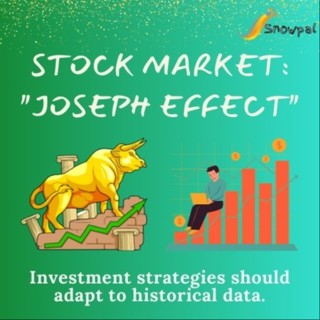
Stock Market: "Joseph Effect"
In this episode, Krish Palaniappan discusses investment strategies, focusing on the Joseph Effect and its implications for future stock market returns. He explores historical patterns in the stock market, referencing Warren Buffett’s advice and the potential for below-average returns in the coming decade. The conversation emphasizes the importance of understanding market trends and adapting investment strategies accordingly. Takeaways The Joseph Effect indicates potential market downturns. Historical stock market patterns reveal cyclical trends. Warren Buffett’s advice remains relevant in today’s market. Understanding market behavior is crucial for investors. Investment strategies should adapt to historical data. The stock market’s past can inform future decisions. Long-term planning is essential for financial success. Chapters 00:00 Introduction to the Podcast and Its Focus 01:21 Exploring Investment Topics and Courses 02:57 Understanding the Joseph Effect in Stock Market Returns 09:36 Analyzing Historical Stock Market Patterns 16:33 Implications for Future Investment Strategies
16 Loka 202417min
Career Progression: Development to Leadership (feat. Siddharth Parakh)
In this episode, Krish Palaniappan engages with Siddharth Parakh, an experienced software engineer and leader, to discuss the evolving role of developers in the age of AI. Siddharth shares his journey from a developer to an engineering leader, emphasizing the importance of understanding the bigger picture in software development. The conversation explores the significance of user perspective, leadership in engineering, and the balance between customer needs and development priorities. They also delve into the dynamics between product owners and developers, the art of prioritization, and the concept of customer obsession versus innovation. They explore the nuances of customer obsession, innovation, and the iterative process of product development. Takeaways Understanding the user perspective enhances software development. Leadership in engineering is about more than just coding. Customer obsession is crucial for product success. Balancing customer needs with development priorities is essential. Effective communication between product and engineering teams is key. Prioritization in software development requires understanding impact. Every product team should allocate time for customer support activities. Innovation should not overshadow the importance of customer satisfaction. Customer obsession is about delivering happiness, not just following demands. Innovation often arises from solving personal needs, not just customer requests. Agility in development allows for iterative improvements based on user feedback. Failure is a crucial part of the innovation process; companies must embrace it. Success traits include accountability, ownership, and a willingness to learn. Cultural context can influence the startup environment and opportunities for networking. Location can impact inspiration and motivation, but not individual performance. Building software requires minimal resources, making it accessible to many. Success is subjective and can vary based on personal goals and definitions. Commitment and passion are essential for success. You don't have to chase titles; focus on what you love. Learning from others is crucial for growth. Burning the back bridge helps you focus on your goals. Nobody regrets doing something; they regret what they didn't do. Sacrifices are necessary when building a business. Chapters 00:00 Introduction to Siddharth Parakh's Journey 03:06 The Developer's Perspective: Understanding the Bigger Picture 05:57 The Importance of User Perspective in Software Development 08:45 Leadership in Software Engineering: Beyond Coding 11:52 Balancing Customer Needs and Development Priorities 15:11 Navigating Conflicts Between Product and Engineering 17:56 Role-Playing: Product Owner and Developer Dynamics 20:53 The Art of Prioritization in Software Development 24:07 Customer Obsession vs. Innovation: A Balancing Act 37:55 Customer Obsession vs. Innovation 40:48 Agility in Product Development 43:26 The Role of Failure in Innovation 46:09 Finding the Right Focus for Success 49:58 Common Traits of Successful Individuals 52:22 Cultural Differences in Success 57:35 The Impact of Location on Career Success 01:06:21 Overcoming Barriers to Entry in Tech 01:12:38 Discovering Strengths and Humility 01:14:39 The Journey of Commitment and Passion 01:17:33 Learning from Others and Embracing Growth 01:20:53 The Transition to Entrepreneurship 01:25:32 The Importance of Full-Time Commitment 01:31:17 Navigating Sacrifices in Entrepreneurship 01:35:31 The Value of Mentorship and Personal Insights
15 Loka 20241h 40min
Entrepreneurship, MVP & Startup Challenges (feat. Michael Sattler)
In this episode, Krish Palaniappan interviews Michael Sattler, a serial entrepreneur and fractional technical product executive. They discuss the critical aspects of MVP development for early-stage companies, emphasizing the importance of finding product-market fit, learning from failures, and the necessity of customer feedback. Michael shares his insights on the entrepreneurial journey, the value of teamwork, and the motivations behind starting a business. The conversation highlights the realities of entrepreneurship, the importance of continuous learning, and the need for realistic expectations in the startup world. Takeaways Learn more from failures than successes. Finding product-market fit is crucial before building an MVP. Customer feedback is essential in defining an MVP. Entrepreneurship is a team sport, not a solo endeavor. Motivation should be about solving problems, not just making money. Working for a startup can provide valuable experience for aspiring entrepreneurs. The myth of the solo entrepreneur can be damaging to new founders. Realistic expectations are important for startup success. Continuous learning is key in entrepreneurship. Building a product should start with understanding customer needs. Chapters 00:00 Introduction to MVP Development 03:14 Lessons from Startup Failures 06:03 Understanding Product-Market Fit 09:12 Defining the Minimum Viable Product (MVP) 12:04 The Importance of Customer Feedback 15:00 The Role of Founders in Startup Success 17:58 Navigating the Startup Landscape 21:05 The Value of Teamwork in Entrepreneurship 24:04 Motivation Behind Entrepreneurship 27:00 The Reality of Being Your Own Boss 29:47 The Myth of the Solo Entrepreneur 33:09 Learning from Experience 36:05 Advice for Aspiring Entrepreneurs 38:52 Closing Thoughts on Entrepreneurship
7 Loka 20241h 20min

