

Ep. 571 Independent IR Practices: Key Strategies for Success with Dr. Kartik Kansagra and Dr. Harout Dermendjian
What does it really take to break away from the hospital system and build your own interventional radiology practice?---This podcast is supported by:Medtronic Emprinthttps://www.medtronic.com/emprint---SYNPOSISIn this episode, host Dr. Ally Baheti interviews Dr. Kartik Kansagra and Dr. Harout Dermendjian, independent interventional radiologists from California and founders of EVS LA. They share their journey in establishing and growing an independent IR practice, discussing their training at Kaiser Sunset, the steps they took to develop their own practice, and the challenges they faced along the way. Emphasizing the importance of training, clinician communication, and balancing inpatient and outpatient services, they offer valuable insights and advice for new IR professionals considering a similar path.---TIMESTAMPS00:00 – Introduction and opening remarks01:23 – Early training and transition08:54 – Clinical vs. non-clinical IR practice differences13:05 – Achieving parity with other interventional specialties17:47 – Building insurance contracts and following up with patients24:31 – Setting boundaries and documenting clinical decisions34:32 – Final advice and closing words from the guests
9 Syys 202537min

Introducing Backtable Cardiology
8 Syys 20251min

Ep. 570 Exploring Atherectomy’s Role Below the Knee with Dr. Anahita Dua
Below the knee atherectomy is a hot topic right now in the vascular community. Why is it so controversial? Dr. Anahita Dua, vascular surgeon at Mass General, joins host Dr. Sabeen Dhand to explore the utility of this technique and the pressing need for more Level I evidence in this space. --- This podcast is supported by:AngioDynamicshttps://www.auryon-system.com/ --- SYNPOSIS The conversation dives into the controversial role of below-the-knee atherectomy in limb salvage, an area where data has long been debated. Dr. Dua, principal investigator of the AMBITION BTK Trial—the first randomized controlled trial comparing below-the-knee atherectomy to angioplasty alone—introduces the trial and explains how it fits into the current body of literature. Together, the doctors review past evidence, current practice, and the future outlook for tibial interventions. Dr. Dua outlines the wide range of techniques and clinical strategies used to manage PAD, and stresses the importance of physician engagement with the NIH and research community to establish stronger, evidence-based protocols. She also shares her candid thoughts on the most overrated and underrated devices in tibial intervention, highlighting atherectomy’s potential role in vessel preparation before below-the-knee treatment. --- TIMESTAMPS 00:00 - Introduction04:55 - Current State of Evidence and Challenges10:54 - Heterogeneity in PAD Treatment14:26 - Need for National Metrics and Standardization20:51 - AMBITION BTK Trial and Importance27:23 - Potential Outcomes and Implications30:18 - Trial Design34:56 - Advice for Practitioners37:36 - Underrated and Overrated Devices41:50 - Conclusion --- RESOURCES AMBITION BTK Trial:https://www.angiodynamics.com/studies/ambition-btk/
5 Syys 202545min
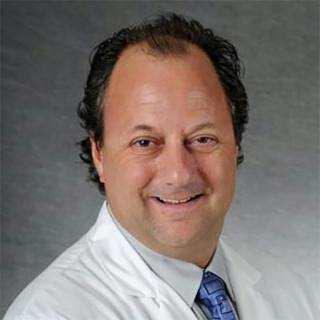
Ep. 569 Advances & Challenges in Carotid Artery Stenting with Dr. Wayne Olan
From new techniques to evolving best practices–are you up to date with the latest developments in carotid artery stenting? In this episode, Dr. Wayne Olan, Interventional Neuroradiologist and the director of Minimally Invasive Neurosurgery at George Washington University joins Dr. Michael Barraza for a discussion on the latest innovations and evolving techniques in carotid artery stenting.---This podcast is supported by:RADPAD® Radiation Protectionhttps://www.radpad.com/---SYNPOSISDr. Olan opens the conversation with a historical perspective on the evolution of carotid stenting, tracing advancements from early techniques to modern devices. He then talks through referral patterns, noting that the majority originate from cardiologists. Dr. Olan emphasizes the importance of meticulous periprocedural planning and comprehensive post-procedural management. Central to this discussion is the critical role of antiplatelet therapy, including strategies for addressing Plavix non-responders, such as the use of Integrilin. The discussions also covers advanced techniques in carotid artery stenting, including the utilization of the Aptus sheath and the Contego stent system. He underscores the importance of mastering the available tools, understanding patient-specific factors, meticulous procedural planning, and always maintaining a contingency plan. He concludes the discussion by exploring emerging trends and the future potential of outpatient carotid stenting.---TIMESTAMPS00:00 - Introduction02:44 - The Importance of Stroke Intervention07:16 - Carotid Stenting: Evolution and Techniques13:29 - Challenges and Collaborations in Carotid Interventions16:17 - Technical Insights and Best Practices25:24 - Choosing the Right Wire for Carotid Procedures25:53 - Anticoagulation and Filter Wire Techniques28:30 - Managing Stent Placement and Distal Protection30:54 - Handling Carotid Bifurcation and Skull Base Lesions38:43 Dealing with Tandem Occlusions42:06 - Future Trends in Outpatient Procedures44:43 - Addressing Re-stenosis and Vertebral Lesions45:44 - Conclusion and Final Thoughts
2 Syys 202548min

Ep. 568 Understanding CON Laws: Effects on Rural Cardiovascular Care with Dr. Ash Sastry and Dr. Sree Nair
What does it really take to bring cutting-edge vascular care to the most underserved corners of the rural South? In this episode of the BackTable Podcast, host Dr. Ally Baheti welcomes interventional cardiologist Dr. Ash Sastry and interventional radiologist Dr. Sree Nair to discuss the financial and regulatory side of providing care to underserved rural populations in North Carolina, Virginia, and Georgia.---SYNPOSISThe doctors delve into the operations and challenges of running an office-based lab (OBL) and the potential transition to an ambulatory surgical center (ASC). This episode covers topics like certificate of need (CON) laws, reimbursement issues, and the importance of multidisciplinary collaboration. The conversation offers insights into the practical and regulatory hurdles faced in delivering high-quality vascular care in rural settings. ---TIMESTAMPS00:00 - Introduction02:14 - Challenges in Rural Healthcare09:00 - Understanding Certificate of Need (CON) Laws11:30 - The Financial Struggles of OBLs19:58 - Advocacy and Legislative Efforts27:53 - Future Prospects and Final Thoughts
29 Elo 202534min
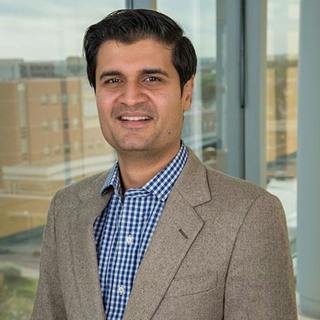
Ep. 567 How to Manage Biliary Strictures with Dr. Premal Trivedi
What piques your clinical suspicion for biliary structure? And when is interventional endoscopy the preferred approach? Fine tune your diagnostic and treatment algorithm with Dr. Premal Trivedi from the University of Colorado and host Dr. Christopher Beck as they go in-depth on the management of biliary strictures.---This podcast is supported by:RADPAD® Radiation Protectionhttps://www.radpad.com/---SYNPOSISThe doctors first break down the signs and clinical picture that alert them to a possible biliary stricture. Dr. Trivedi then explains the steps of his workup and preferred imaging, and also describes his threshold to pursue percutaneous transhepatic cholangiography (PTC), especially in diffuse conditions like primary sclerosing cholangitis. Dr. Trivedi also walks through his procedural steps for PTC and drain placement, covering his best practices and typical intraoperative decision making.Dr. Trivedi then explains the role of angioplasty over the course of longitudinal treatment, balloon choice, and his upper limit of catheter upsizing. The doctors also delve into the role of interventional endoscopy and tackling complications such as bleeding and tube leakage. The conversation offers valuable insights for trainees and practitioners alike, and highlights future advancements in biliary interventions.---TIMESTAMPS00:00 - Introduction06:19 - Approach to Biliary Strictures08:10 - Workup and Imaging for Biliary Strictures20:41 - Accessing the Biliary System27:14 - Crossing the Obstruction: Next Steps33:22 - Endoscopic Evaluation and Its Role47:14 - Complications and Pain Management53:40 - Future of Biliary Management54:55 - Conclusion and Final Thoughts
26 Elo 202557min

Ep. 566 Navigating the Private Equity Practice Setting with Dr. Oleksandra Kutsenko
As new graduates enter the workforce, what are the key differences between academic, private, and hybrid practice models? Dr. Oleksandra Kutsenko, Chief of Interventional Radiology at Red Rock Radiology Associates, joins host Dr. Ally Baheti to discuss her experiences working in a private equity group in Nevada.---This podcast is supported by:Medtronic Emprinthttps://www.medtronic.com/emprint---SYNPOSISDr. Kanko discusses her career trajectory, her experiences with private equity, and the benefits and challenges of working in such a setting. She highlights the value of stepping into leadership roles, cultivating a versatile skill set, and navigating the complexities of working within a large, multifaceted organization like Radiology Partners. The conversation covers day-to-day operations, educational opportunities, and her perspective on balancing clinical work with administrative responsibilities. She emphasizes the importance of investing early in one’s career to build credibility and establish a lasting presence.---TIMESTAMPS00:00 - Introduction01:50 - Career Journey and Challenges03:15 - Private Practice vs. Academics07:11 - Daily Life as an Interventional Radiologist12:19 - Involvement with RAD Partners13:42 - Educational Tools and AI in Radiology24:08 - Clinic Operations and RVU Discussion31:59 - Advice for Trainees and Career Insights33:13 - Conclusion and Final Thoughts
22 Elo 202535min

Ep. 565 Resorbable Embolics in MSK Embolizations with Dr. Keerthi Prasad
Resorbable embolics are gaining traction in musculoskeletal interventions, but what are the key technical considerations? Dr. Keerthi Prasad, interventional radiologist at the Centers for Pain Control and Vein Care joins host Dr. Ally Baheti to share practical insights when using resorbable embolics in MSK interventions.---This podcast is supported by:OBL Marketinghttps://www.oblmarketing.com---SYNPOSISDr. Prasad opens the conversation with an overview of embolic agents used in MSK interventions—including Imipenem, Lipiodol, and Nexsphere-F—and shares practical insights into technique selection. He explores the nuances of working with various resorbable embolics, highlighting clinical cases from his personal experience. The discussion also highlights Dr. Prasad’s innovative approach to establishing an outpatient-based lab (OBL) focused on musculoskeletal interventions. Additionally, Dr. Prasad also offers insight into the expanding role of resorbable embolics in treating conditions such as knee arthritis, plantar fasciitis, and adhesive capsulitis. The episode ends with a call to broaden access to this evolving treatment.---TIMESTAMPS00:00 - Introduction01:55 - Outpatient Embolization and MSK Procedures04:20 - Resorbable Embolics in Joint Embolization04:52 - Available Resorbable Embolics in the US07:57 - Technical Insights on Using Resorbable Embolics15:18 - Patient Outcomes and Long-Term Durability22:24 - Future of MSK Embolization Techniques24:05 - Exploring New Applications for Resorbable Embolics27:30 - Innovative Procedures and Techniques37:00 - Final Thoughts and Advice for Practitioners
19 Elo 202540min