
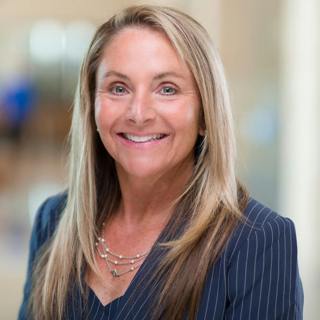
Ep. 550 Percutaneous Transesophageal Gastrostomy: Indications and Procedure Insights with Lisa Rotellini-Coltvet and Dr. Alex Wallace
What do you do when conventional gastric tubes are not an option? In this week’s episode of BackTable, host Dr. Ally Baheti speaks with interventional radiologist Dr. Alex Wallace and physician assistant Lisa Rotellini-Colvet from the Mayo Clinic in Arizona about the percutaneous transesophageal gastrostomy (PTEG) procedure. The discussion explores how PTEG offers a transformative solution for patients who are not candidates for traditional transabdominal gastrostomy access. Suitable candidates for PTEG include individuals with malignancies, peritoneal carcinomatosis, prior gastrectomies, or ascites. --- This podcast is supported by: Medtronic Emprinthttps://www.medtronic.com/emprint --- SYNPOSIS Dr. Wallace and Lisa provide valuable insights on the benefits of early patient selection, thorough pre-procedural evaluation, step-by-step procedural guidance, and key considerations for post-procedural care. They also highlight the critical role of patient and staff education in achieving successful outcomes. The episode features real-world experiences, including a powerful story of a patient who benefited from her PTEG for over 560 days. Our guests advocate for increased awareness of PTEG and its early consideration in patients with advanced abdominal cancers, emphasizing its potential to greatly improve quality of life. --- TIMESTAMPS 00:00 - Introduction01:38 - History and Explanation of PTEG08:12 - Pre-Procedure Evaluation11:48 - Procedural Walkthrough20:46 - Post-Procedure Care and Suction Management24:45 - Exchange Process and Troubleshooting30:11 - Patient Education and Staff Training35:54 - Improved Quality of Life for Patients --- RESOURCES Percutaneous Transesophageal Gastrostomy: Procedural Technique and Outcomes (Rotellini-Coltvet, Wallace et al, 2023):https://pubmed.ncbi.nlm.nih.gov/37419279/
6 Kesä 41min
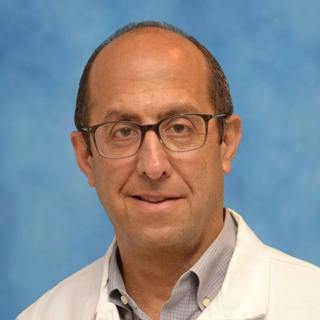
Ep. 549 Liquid Embolics: Practical Applications and Techniques with Dr. Gary Siskin
Liquid embolics are a relatively new addition to the interventional radiology toolkit—how well do you understand the technical considerations that come with using these agents? Get up to speed in this episode of the BackTable Podcast where Dr. Gary Siskin, Chair of Radiology at Albany Medical Center, shares his expertise. --- This podcast is supported by: Sirtexhttps://www.sirtex.com/us/ --- SYNPOSIS Dr. Siskin provides expert insights into the use of liquid embolic agents, including Onyx and LAVA, with a focus on their practical applications, techniques for safe and effective deployment, and the critical role they play in treating complex cases which range from peripheral and traumatic hemorrhage to portal vein embolization. He highlights the importance of understanding the viscosity and flow characteristics of various liquid embolic agents, providing expert guidance on ensuring optimal catheter positioning, case selection, and avoidance of common pitfalls. Additionally, he shares strategies for tailoring injection speed based on vessel caliber to mitigate reflux. The episode ends with final thoughts on best practices and future directions for the technology. --- TIMESTAMPS 00:00 - Introduction02:09 - Historical Perspective on Liquid Embolics06:37 - Practical Applications and Techniques16:14 - Handling Catheters and Reflux Concerns22:38 - Trauma Embolization26:53 - Visibility and Injection Techniques29:06 - Catheter Compatibility and Vessel Size32:53 - Best Practices and Common Mistakes45:55 - Final Thoughts and Advice --- RESOURCES Arslan B, Razavi MK, Siskin G, et al. The LAVA Study: A Prospective, Multicenter, Single-Arm Study of a Liquid Embolic System for Treatment of Peripheral Arterial Hemorrhage. J Vasc Interv Radiol. 2025;36(3):436-445.e2. doi:10.1016/j.jvir.2024.11.005 Onyx Liquid Embolic System: https://europe.medtronic.com/xd-en/healthcare-professionals/products/cardiovascular/peripheral-embolization/onyx-liquid-embolic-system.html LAVA Liquid Embolic System:https://www.sirtex.com/us/products/lava-liquid-embolic-system/product-information/
3 Kesä 50min
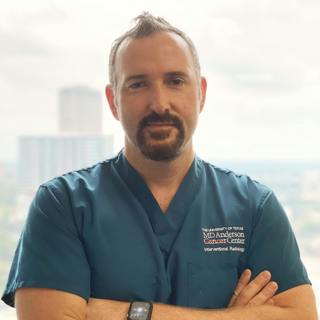
Ep. 548 Winding Down Neuwave: Impact on Interventional Radiology with Dr. Joshua Kuban
It’s official — NeuWave is exiting the market. In this episode, Dr. Christopher Beck hosts a conversation with Dr. Josh Kuban, an interventional radiologist at MD Anderson Cancer Center, to discuss the impact that NeuWave's microwave tumor ablation technology has had on the field of interventional oncology and the recent announcement of its discontinuation, scheduled for March 2026. --- This podcast is supported by: Medtronic Emprint --- SYNPOSIS Dr. Kuban reflects on NeuWave’s innovative beginnings in microwave ablation, which expanded to include four distinct systems and advanced ablation confirmation software. At its peak, the company held over 50% of the microwave ablation market and played a pivotal role in reshaping interventional radiology's view of the safety and effectiveness of this treatment approach. He also shares how NeuWave’s departure will affect his practice and outlines the steps he’s taking to prepare his team for the transition to alternative devices. The discussion broadens to the current landscape of microwave ablation, spotlighting emerging players in ablation confirmation software and robotic technologies. --- TIMESTAMPS 00:00 - Introduction2:14 - Overview of Neuwave’s Rise7:01 - Decision to Discontinue 14:56 - Navigating the Switch Different Technologies 21:54 - Buyback Program24:33 - Forecasting New Developments --- RESOURCES BackTable IND Ep. 23- Approach the Problem with Vision: Part I of the Neuwave Story : https://www.backtable.com/shows/industry/podcasts/23/approach-the-problem-with-vision-part-i-of-the-neuwave-story BackTable IND Ep. 24- Trials and Tribulations: Part II of the Neuwave Story: https://www.backtable.com/shows/industry/podcasts/24/trials-tribulations-part-ii-of-the-neuwave-story BackTable IND Ep. 25- Next Level Stuff, the Exit: Part III of the Neuwave Story:https://www.backtable.com/shows/industry/podcasts/25/next-level-stuff-the-exit-part-iii-of-the-neuwave-story Johnson & Johnson Press Release Regarding Discontinuation of NeuWave:https://www.medline.com/media/assets/pdf/vendor-list/Disco_notice.pdfMedTronic Emprint Ablation: https://www.medtronic.com/covidien/en-gb/products/ablation-systems/emprint-ablation-system.html Varian MicroThermX Ablation: https://www.varian.com/products/interventional-oncology/microthermx Safety and Effectiveness of Microwave Ablation of Liver Tumors: Initial Real-World Results from the Multinational NeuWave Observational Liver Ablation (NOLA) Registry (Odisio, 2025):https://pubmed.ncbi.nlm.nih.gov/39848330/
30 Touko 31min

Ep. 547 Intratumoral Oncolytic Treatments for Metastatic Melanoma: A Multidisciplinary Approach with Dr. Riad Salem and Dr. Sunandana Chandra
Making strides against melanoma: how can medical oncologists and interventional oncologists join forces to deliver smarter, patient-centered care? In this episode of BackTable, Dr. Tyler Sandow,hosts Dr. Sunandana Chandra, medical oncologist at Northwestern, and Dr. Riad Salem, interventional oncologist at Northwestern, to discuss the evolving management of advanced melanoma. --- This podcast is supported by an educational grant from Replimune. --- SYNPOSIS The doctors open the episode with an overview of melanoma and recent advances in its treatment, highlighting key trials such as DREAMseq and CheckMate 067. The discussion explores the shift from medical oncologist as solo primary providers to a dynamic, multidisciplinary approach to advanced cancer care—emphasizing cutting-edge treatments like immunotherapy and intratumoral oncolytic viruses. Dr. Salem shares practical insights on the procedural techniques of administering intratumoral oncolytics like Replimune, emphasizing the importance of thorough documentation and patient-centered care. The doctors also provide an overview of the ongoing IGNYTE-3 Trial, a Phase 3 study assessing the safety and efficacy of the oncolytic immunotherapy RP1 in combination with nivolumab for the treatment of advanced melanoma. The episode underscores the transformative potential of innovative melanoma treatments and the crucial role of integrated, team-based approaches in improving cancer patient outcomes. --- TIMESTAMPS 00:00 - Introduction03:48 - The Evolution of Melanoma Treatment: From Chemotherapy to Immunotherapy14:05 - The Role of Oncolytic Viruses in Melanoma Treatment20:14 - Interventional Radiology’s Role in Cancer Treatment27:00 - Collaborative Approach to Cancer Care32:53 - Hyper Documentation and Communication Efficiency44:47 - Future of Intratumoral Oncolytics48:10 - Multidisciplinary Approach in Advanced Cancer Management51:46 - Conclusion and Final Thoughts --- RESOURCES DREAMseq Trial: Atkins MB, Lee SJ, Chmielowski B, et al. Combination Dabrafenib and Trametinib Versus Combination Nivolumab and Ipilimumab for Patients With Advanced BRAF-Mutant Melanoma: The DREAMseq Trial-ECOG-ACRIN EA6134. J Clin Oncol. 2023;41(2):186-197. doi:10.1200/JCO.22.01763 CheckMate 067 trial: Wolchok JD, Chiarion-Sileni V, Rutkowski P, et al. Final, 10-Year Outcomes with Nivolumab plus Ipilimumab in Advanced Melanoma. N Engl J Med. 2025;392(1):11-22. doi:10.1056/NEJMoa2407417
27 Touko 54min
Ep. 546 IR Practice Development: Residency to Real-World with Dr. Quinn Meisinger
23 Touko 1h 1min
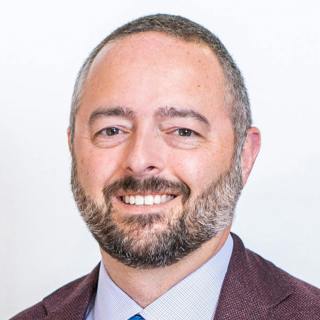
Ep. 545 Outpatient PAE- Tips and Tricks from a High Volume Operator with Dr. Stephen "Andy" Vartanian
Bringing Prostate Artery Embolization (PAE) to the OBL setting means balancing cost efficiency, quality care, and a high procedure volume. What should you know and how can you get started? This week, host Dr. Ally Baheti explores outpatient PAE with Dr. Stephen “Andy” Vartanian, an independent interventional radiologist and medical director of PrecisionIR.---SYNPOSISThe doctors discuss Dr. Vartanian’s unique career path and extensive experience with prostate artery embolization (PAE). They discuss his approach to the procedure, best practices, and how he was able to set himself up for success in the transition to an OBL. Dr. Vartanian shares insights into patient workup, collaboration with urologists, and his perspective on the financial and operational challenges of managing an independent practice. The doctors then touch on other outpatient procedures like uterine fibroid embolization (UFE) and genicular artery embolization (GAE) and the difficulties in patient acquisition for these treatments. This episode offers a unique look into factors to consider when optimizing your practice patterns for PAE in an OBL setting.---TIMESTAMPS00:00 - Introduction05:38 - OBL Setting and PAE10:02 - Approach to PAE, Techniques, and Tools21:38 - Post-Procedure Care and Managing Patient Expectations25:32 - Advice to IRs Interested in PAE27:37 - Challenges and Strategies in Uterine Fibroid Embolization (UFE)33:14 - Running an OBL: Insights and Experiences36:40 - Future Plans and Business Reflections---RESOURCESPrecisionIR: https://myprecisionir.com/
20 Touko 40min
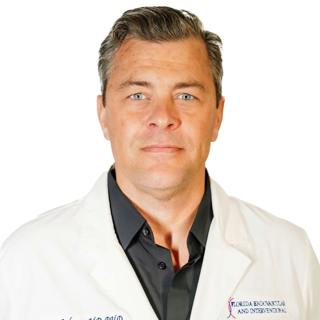
Ep. 544 Inside the RVS Update Committee (RUC) Process with Dr. Amar Rewari and Dr. Curtis Lee Anderson
How is reimbursement decided? Have an inside look from the committee itself as we unpack exactly how a new CPT (Current Procedural Terminology) code is created, assessed, and ultimately valued for physician Medicare reimbursement. In this episode of BackTable, Dr. Sabeen Dhand is joined by radiation oncologist Dr. Amar Rewari and interventional radiologist Dr. Curtis Anderson, both of whom sit on the RVS Update Committee (RUC).---SYNPOSISThe conversation covers who participates in the RUC, the preparation it takes to propose a new CPT code, and what it’s like to collaborate with physicians from all specialties. They discuss the confidential yet crucial role of the RUC in determining physician work and practice expenses, advocacy efforts, and the impact of healthcare policies on reimbursement. The doctors stress the importance of physician engagement—especially through member surveys—and share how providers can get involved. The guests also touch on their personal journeys and motivations within the RUC and introduce Dr. Rewari’s podcast, ‘Value Health Voices’, which focuses on healthcare policy and economics.---TIMESTAMPS00:00 - Introduction and Importance of Surveys01:18 - Understanding the RVS Update Committee (RUC)6:36 - How Does a New CPT Code Get Introduced?09:44 - Challenges and Dynamics within the RUC20:52 - Health Value Voices Podcast22:51 - Transparency in Healthcare Policy24:39 - Future of Healthcare Payments29:00 - Getting Involved in Healthcare Policy33:43- Final Thoughts and Call to Action---RESOURCESHealth Value Voices Podcast: https://open.spotify.com/show/0cxnf4Il3QK3cvFFKxwPWL?si=212d084a09034cf2
16 Touko 36min

Ep. 543 Metastatic Colorectal Cancer: Discussion on the COLLISION Trial with Dr. Martijn Meijerink
Is minimally invasive ablation the future of metastatic cancer care? We now have the results of the COLLISION Trial, which investigates the non-inferiority of thermal ablation compared to surgical resection. How will these findings change treatment paradigms and practice patterns around metastatic colorectal cancer? In this week’s episode of BackTable, interventional radiologist Dr. Chris Beck discusses the impact and implications of the COLLISION Trial with principal investigator Dr. Martijn Meijerink from Amsterdam UMC.---SYNPOSISThe doctors explore the COLLISION Trial’s design, results, complication rates, and future directions. They also cover best practices for ablation techniques and the potential for interventional oncology to enter a “golden era.” Finally, Dr. Meijerink highlights the importance of standardizing intervention quality and being present in tumor boards to ensure optimal patient care.---TIMESTAMPS00:00 - Introduction 03:21 - Understanding Metastatic Colorectal Cancer and IR’s Role05:18 - Introduction to the COLLISION Trial07:40 - Radiofrequency vs Microwave Ablation and Technological Advancements09:02 - Trial Design and Patient Eligibility16:20 - Ablation Techniques and Approaches22:05 - Trial Results and Analysis30:19 - Impact on Guidelines and Practice39:44 - Best Practices in Thermal Ablation43:27 - Future Directions in Interventional Oncology---RESOURCES“Surgery versus thermal ablation for small-size colorectal liver metastases (COLLISION): An international, multicenter, phase III randomized controlled trial.” (Meijerink, 2024)https://ascopubs.org/doi/10.1200/JCO.2024.42.17_suppl.LBA3501
13 Touko 47min