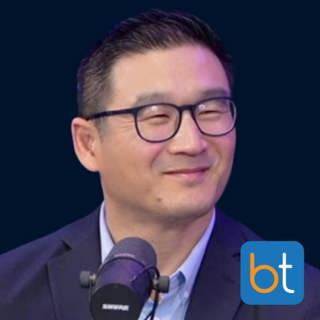
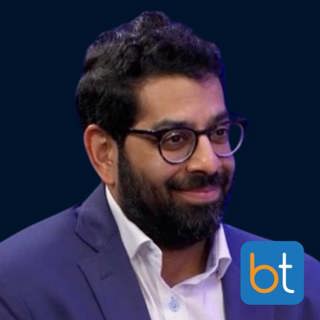
Ep. 289 Treating Clot in Transit with Dr. Rehan Quadri

Ep. 289 Treating Clot in Transit with Dr. Rehan Quadri

In this episode, host Dr. Michael Barraza interviews Dr. Rehan Quadri, interventional radiologist, about the definition, indications and techniques for treating clot in transit. We begin by defining and describing when to treat clot in transit. Traditionally, the definition is the washing machine mobile clot in the right atrium (RA) or right ventricle (RV). In these situations, the next place for the clot to travel is the pulmonary artery (PA). Mortality in these cases can reach as high as 30%, which is why these cases are considered emergencies. There is another category of clot in transit where a clot is partially adhered to a vessel wall, catheter, or heart valve. They are most commonly diagnosed via an echocardiogram, or found incidentally on a CT angiogram. They commonly present as catheter malfunction with symptoms resembling SVC syndrome. Dr. Quadri explains his usual method for retrieving clot in transit, though he notes each case is complex and different depending on the etiology and the overall status of the patient. In general, unless there is a massive PE, he treats the clot in transit before the PE. He always ensures with the preoperative echocardiogram that there is no interatrial shunt or patent foramen ovale (PFO). At the beginning of the case he checks PA and RA pressures. He uses a 24 French Inari Flowtriever with FLEX technology, which helps with tough angles. He uses ICE guidance in all clot in transit cases. To help with orientation when using the ICE catheter, he recommends pointing it anteriorly while entering the RA, then using the Eustachian ridge, an echogenic line in the RA, to confirm you are in the RA and indicating that you should see the tricuspid valve as you advance. He uses the FlowSaver device, and always has 2 units of blood in the room just in case. At the end of the case, he remeasures the PA pressures, then injects through the Inari sheath to verify that there is no residual before finally doing a pulmonary arteriogram. He sends all the clots to pathology, and has seen that the morphology is usually mixed, with some organized fibrin in addition to acute thrombus.

Jaksot(610)

Ep. 573 BackTable Tricks Competition 2025

Ep. 573 BackTable Tricks Competition 2025

What tricks do you have up your sleeve to help you get through tough cases? In this special episode of the BackTable Podcast, Drs. Ally Baheti, Mike Barraza, and Chris Beck spotlight the most creative and practical pearls from the 2025 BackTable Tips & Tricks competition, showcasing standout submissions and clever techniques shared by their peers. --- SYNPOSIS Guests include leading interventional radiologists like Dr. Aaron Fischman from Mount Sinai, who reveals his unique wire-shaping method—bending it like a question mark to navigate challenging, angulated vessels during prostate artery embolization. From Jefferson, Dr. Sean Maratto walks us through his innovative retrograde approach to placing double J stents. And from Ochsner Health, Dr. Tyler Sandow brings invaluable guidance on achieving direct portal vein access for TIPS. --- TIMESTAMPS 00:00 - Introduction 03:30 - Favorite Tips and Tricks06:11 - Practical Techniques and Personal Experiences15:41 - A Humbling Experience with Phil Banov16:02 - The Bumper Stitch Technique17:55 - Direct Portal Access for TIPS19:35 - Navigating Challenging Cases24:11 - Radial vs. Femoral Access Debate27:33 - Innovative Techniques and Tricks29:36 - Final Thoughts and Gratitude

15 Syys 31min

Ep. 572 How to Perform Mesocaval Shunts: Techniques & Outcomes with Dr. Omar Chohan and Dr. Harris Chengazi

Ep. 572 How to Perform Mesocaval Shunts: Techniques & Outcomes with Dr. Omar Chohan and Dr. Harris Chengazi

Before the advent of TIPS, mesocaval shunts were considered a less popular option for managing portal hypertension. But today, could they serve as a lifeline when no other choices remain? This week on BackTable, Drs. Omar Chohan and Harris Chengazi (Great Lakes Medical Imaging) join host Dr. Chris Beck to discuss the evolving role of endovascular mesocaval shunts, covering patient selection, clinical decision-making, and technical pearls. --- SYNPOSIS In this episode, the hosts delve into the specialized procedure of meso-caval shunts, focusing on its applications for patients with portal hypertension who have no other viable options. This discussion includes detailed case studies, such as one involving a woman with autoimmune hepatitis and another with pancreatic cancer, showcasing the practical challenges and innovative solutions in creating these shunts. In each case, they detail the rationale for patient selection, difficult anatomy, procedural steps, and resolution of symptoms like recurrent ascites and variceal bleeding. The episode emphasizes the importance of pre-procedure planning, collaboration, and precise imaging, utilizing advanced tools like the 4D CT scanner. The conversation also highlights the compassionate motivation behind these complex procedures, aimed at improving patients' quality of life. --- TIMESTAMPS 00:00 - Introduction 03:07 - Historical Context and Indications06:49 - Case 1: Patient with Refractory Ascites34:00 - Case 2: Recurrent GI Bleeding41:16 - Case 3: TIPS Consult - Pancreatic Cancer and Duodenal Varices47:44 - Lessons, Pearls, and Tips56:13 - Final Thoughts --- RESOURCES A Case Series of Dr. Chengazi's Mesocaval Shunts on X:https://x.com/chengazimd/status/1966337167879438571 Episode 573 Portal Hypertension Treatment Strategies:https://www.backtable.com/shows/vi/podcasts/473/portal-hypertension-treatment-strategies-ir-hepatology-perspectives TIPS University Freshman Year:https://www.backtable.com/shows/vi/podcasts/123/tips-university-freshman-year-referrals-pre-op-workup TIPS University Sophomore Year:https://www.backtable.com/shows/vi/podcasts/124/tips-university-sophomore-year-basic-procedure-technique TIPS University Junior Year:https://www.backtable.com/shows/vi/podcasts/125/tips-university-junior-year-advanced-techniques-ice-splenic-access TIPS University Senior Year:https://www.backtable.com/shows/vi/podcasts/126/tips-university-senior-year-gunsight-technique-splenic-closure

12 Syys 1h 12min

Ep. 571 Independent IR Practices: Key Strategies for Success with Dr. Kartik Kansagra and Dr. Harout Dermendjian

Ep. 571 Independent IR Practices: Key Strategies for Success with Dr. Kartik Kansagra and Dr. Harout Dermendjian

What does it really take to break away from the hospital system and build your own interventional radiology practice?---This podcast is supported by:Medtronic Emprinthttps://www.medtronic.com/emprint---SYNPOSISIn this episode, host Dr. Ally Baheti interviews Dr. Kartik Kansagra and Dr. Harout Dermendjian, independent interventional radiologists from California and founders of EVS LA. They share their journey in establishing and growing an independent IR practice, discussing their training at Kaiser Sunset, the steps they took to develop their own practice, and the challenges they faced along the way. Emphasizing the importance of training, clinician communication, and balancing inpatient and outpatient services, they offer valuable insights and advice for new IR professionals considering a similar path.---TIMESTAMPS00:00 – Introduction and opening remarks01:23 – Early training and transition08:54 – Clinical vs. non-clinical IR practice differences13:05 – Achieving parity with other interventional specialties17:47 – Building insurance contracts and following up with patients24:31 – Setting boundaries and documenting clinical decisions34:32 – Final advice and closing words from the guests

9 Syys 37min

Introducing Backtable Cardiology

Introducing Backtable Cardiology

8 Syys 1min

Ep. 570 Exploring Atherectomy’s Role Below the Knee with Dr. Anahita Dua

Ep. 570 Exploring Atherectomy’s Role Below the Knee with Dr. Anahita Dua

Below the knee atherectomy is a hot topic right now in the vascular community. Why is it so controversial? Dr. Anahita Dua, vascular surgeon at Mass General, joins host Dr. Sabeen Dhand to explore the utility of this technique and the pressing need for more Level I evidence in this space. --- This podcast is supported by:AngioDynamicshttps://www.auryon-system.com/ --- SYNPOSIS The conversation dives into the controversial role of below-the-knee atherectomy in limb salvage, an area where data has long been debated. Dr. Dua, principal investigator of the AMBITION BTK Trial—the first randomized controlled trial comparing below-the-knee atherectomy to angioplasty alone—introduces the trial and explains how it fits into the current body of literature. Together, the doctors review past evidence, current practice, and the future outlook for tibial interventions. Dr. Dua outlines the wide range of techniques and clinical strategies used to manage PAD, and stresses the importance of physician engagement with the NIH and research community to establish stronger, evidence-based protocols. She also shares her candid thoughts on the most overrated and underrated devices in tibial intervention, highlighting atherectomy’s potential role in vessel preparation before below-the-knee treatment. --- TIMESTAMPS 00:00 - Introduction04:55 - Current State of Evidence and Challenges10:54 - Heterogeneity in PAD Treatment14:26 - Need for National Metrics and Standardization20:51 - AMBITION BTK Trial and Importance27:23 - Potential Outcomes and Implications30:18 - Trial Design34:56 - Advice for Practitioners37:36 - Underrated and Overrated Devices41:50 - Conclusion --- RESOURCES AMBITION BTK Trial:https://www.angiodynamics.com/studies/ambition-btk/

5 Syys 45min

Ep. 569 Advances & Challenges in Carotid Artery Stenting with Dr. Wayne Olan

Ep. 569 Advances & Challenges in Carotid Artery Stenting with Dr. Wayne Olan

From new techniques to evolving best practices–are you up to date with the latest developments in carotid artery stenting? In this episode, Dr. Wayne Olan, Interventional Neuroradiologist and the director of Minimally Invasive Neurosurgery at George Washington University joins Dr. Michael Barraza for a discussion on the latest innovations and evolving techniques in carotid artery stenting.---This podcast is supported by:RADPAD® Radiation Protectionhttps://www.radpad.com/---SYNPOSISDr. Olan opens the conversation with a historical perspective on the evolution of carotid stenting, tracing advancements from early techniques to modern devices. He then talks through referral patterns, noting that the majority originate from cardiologists. Dr. Olan emphasizes the importance of meticulous periprocedural planning and comprehensive post-procedural management. Central to this discussion is the critical role of antiplatelet therapy, including strategies for addressing Plavix non-responders, such as the use of Integrilin. The discussions also covers advanced techniques in carotid artery stenting, including the utilization of the Aptus sheath and the Contego stent system. He underscores the importance of mastering the available tools, understanding patient-specific factors, meticulous procedural planning, and always maintaining a contingency plan. He concludes the discussion by exploring emerging trends and the future potential of outpatient carotid stenting.---TIMESTAMPS00:00 - Introduction02:44 - The Importance of Stroke Intervention07:16 - Carotid Stenting: Evolution and Techniques13:29 - Challenges and Collaborations in Carotid Interventions16:17 - Technical Insights and Best Practices25:24 - Choosing the Right Wire for Carotid Procedures25:53 - Anticoagulation and Filter Wire Techniques28:30 - Managing Stent Placement and Distal Protection30:54 - Handling Carotid Bifurcation and Skull Base Lesions38:43 Dealing with Tandem Occlusions42:06 - Future Trends in Outpatient Procedures44:43 - Addressing Re-stenosis and Vertebral Lesions45:44 - Conclusion and Final Thoughts

2 Syys 48min

Ep. 568 Understanding CON Laws: Effects on Rural Cardiovascular Care with Dr. Ash Sastry and Dr. Sree Nair

Ep. 568 Understanding CON Laws: Effects on Rural Cardiovascular Care with Dr. Ash Sastry and Dr. Sree Nair

What does it really take to bring cutting-edge vascular care to the most underserved corners of the rural South? In this episode of the BackTable Podcast, host Dr. Ally Baheti welcomes interventional cardiologist Dr. Ash Sastry and interventional radiologist Dr. Sree Nair to discuss the financial and regulatory side of providing care to underserved rural populations in North Carolina, Virginia, and Georgia.---SYNPOSISThe doctors delve into the operations and challenges of running an office-based lab (OBL) and the potential transition to an ambulatory surgical center (ASC). This episode covers topics like certificate of need (CON) laws, reimbursement issues, and the importance of multidisciplinary collaboration. The conversation offers insights into the practical and regulatory hurdles faced in delivering high-quality vascular care in rural settings. ---TIMESTAMPS00:00 - Introduction02:14 - Challenges in Rural Healthcare09:00 - Understanding Certificate of Need (CON) Laws11:30 - The Financial Struggles of OBLs19:58 - Advocacy and Legislative Efforts27:53 - Future Prospects and Final Thoughts

29 Elo 34min

Ep. 567 How to Manage Biliary Strictures with Dr. Premal Trivedi

Ep. 567 How to Manage Biliary Strictures with Dr. Premal Trivedi

What piques your clinical suspicion for biliary structure? And when is interventional endoscopy the preferred approach? Fine tune your diagnostic and treatment algorithm with Dr. Premal Trivedi from the University of Colorado and host Dr. Christopher Beck as they go in-depth on the management of biliary strictures.---This podcast is supported by:RADPAD® Radiation Protectionhttps://www.radpad.com/---SYNPOSISThe doctors first break down the signs and clinical picture that alert them to a possible biliary stricture. Dr. Trivedi then explains the steps of his workup and preferred imaging, and also describes his threshold to pursue percutaneous transhepatic cholangiography (PTC), especially in diffuse conditions like primary sclerosing cholangitis. Dr. Trivedi also walks through his procedural steps for PTC and drain placement, covering his best practices and typical intraoperative decision making.Dr. Trivedi then explains the role of angioplasty over the course of longitudinal treatment, balloon choice, and his upper limit of catheter upsizing. The doctors also delve into the role of interventional endoscopy and tackling complications such as bleeding and tube leakage. The conversation offers valuable insights for trainees and practitioners alike, and highlights future advancements in biliary interventions.---TIMESTAMPS00:00 - Introduction06:19 - Approach to Biliary Strictures08:10 - Workup and Imaging for Biliary Strictures20:41 - Accessing the Biliary System27:14 - Crossing the Obstruction: Next Steps33:22 - Endoscopic Evaluation and Its Role47:14 - Complications and Pain Management53:40 - Future of Biliary Management54:55 - Conclusion and Final Thoughts

26 Elo 57min

Suosittua kategoriassa Koulutus

rss-murhan-anatomia
voi-hyvin-meditaatiot-2
psykopodiaa-podcast
adhd-podi
rss-niinku-asia-on
rss-koira-haudattuna
rss-narsisti
aamukahvilla
rss-liian-kuuma-peruna
rss-vapaudu-voimaasi
puhutaan-koiraa
salainen-paivakirja
psykologia
rss-psykalab
dreamtalk
aloita-meditaatio
jari-sarasvuo-podcast
ihminen-tavattavissa-tommy-hellsten-instituutti
rss-duodecim-lehti
rss-tyohyvinvoinnin-aakkoset