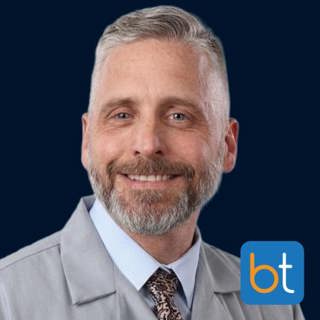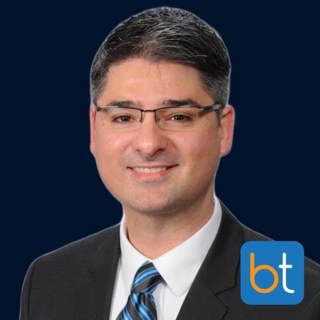

Ep. 324 Embolization for Treatment of Hemorrhoids with Dr. Alex Pavidapha

Ep. 324 Embolization for Treatment of Hemorrhoids with Dr. Alex Pavidapha

In this episode, host Dr. Aaron Fritts and interventional radiologist Dr. Alex Pavidapha give a primer on the emerging field of hemorrhoidal artery embolization (HAE), including patient presentations and referrals, treatment algorithms, procedural steps, and follow up care. --- CHECK OUT OUR SPONSOR Boston Scientific Nextlab https://www.bostonscientific.com/en-US/nextlab.html?utm_source=oth_site&utm_medium=native&utm_campaign=pi-at-us-nextlab-hci&utm_content=n-backtable-n-backtable_site_nextlab_1_2023&cid=n10013202 --- SHOW NOTES To start. Dr. Pavidapha describes the typical patient presenting with hemorrhoids. This is a prevalent condition that peaks at the ages of 45-65 and in the pregnant population. There are a variety of treatment options ranging from banding, hemorrhoidectomy, and cryotherapy; however, many patients may experience recurrence after these treatments or they may not be suitable candidates for surgery. Next, we discuss the current landscape of HAE. This treatment is a good option for patients who have failed other treatment options. The majority of Dr. Pavidapha’s patients come from referrals by gastroenterologists, although some come based on their own research on the web. It is important that all patients have a colonoscopy before HAE, to rule out the possibility of colon cancer. Additionally, a full history and rectal exam should be performed, since the choice to treat can be guided by the patient’s symptom severity and the degree of internal hemorrhoid prolapse. It is also advisable to identify extremely painful external hemorrhoids, since these can be addressed with conservative measures. Dr. Pavidapha notes that patient counseling is extremely important, since hemorrhoids have a high risk of recurrence and bowel habits play a large part in this. In terms of procedural risks, he counsels patients about standard risks of bleeding and infection, recurrence, mild pain in the few days after the procedure, and although it is rare, non-target embolization of skin or other organs. During the procedure, Dr. Pavidapha prefers femoral access, since this is the easiest way to select the internal mesenteric artery. He does a base catheter run here to visualize the superior rectal arteries. These vessels are the most commonly involved in internal hemorrhoids, and if they are feeding the hemorrhoid, he will inject 500 micron beads and then follow with embolic coils. Next, he navigates through the internal iliac and pudendal arteries to arrive at the middle rectal arteries for another run. If they also supply the hemorrhoids, he will embolize them. The inferior rectal arteries are usually not involved in hemorrhoid formation, embolization of them carries a high risk of skin necrosis. Treatment of inferior rectal arteries is usually avoided. It is important to know typical anatomy very well so you can determine targets for embolization and recognize whether a patient has variant anatomy. Finally, Dr. Pavidapha sees his patients for follow-up at 1 month, 4 months, and 1 year to check for symptomatic improvement, primarily decreased bleeding. If bleeding has worsened, the patient most likely needs a repeat procedure to identify new blood vessels supplying the hemorrhoid. To IRs who are interested in starting an HAE service line, Dr. Pavidapha advises them to read the existing literature about hemorrhoids and HAE and be able to show clinical outcomes data to gastroenterologists. Overall, patients with recurrent hemorrhoids are typically an underserved population and have the potential to benefit from this novel procedure. --- RESOURCES Ep. 319 - How to Collaborate with GI on a New Outpatient Service Line: https://www.backtable.com/shows/vi/podcasts/319/how-to-collaborate-with-gi-on-a-new-outpatient-service-line Outcomes of Hemorrhoidal Artery Embolization from a Multidisciplinary Outpatient Interventional Center: https://pubmed.ncbi.nlm.nih.gov/36736822/ The STREAM Meeting: ​​https://www.thestreammeeting.com/

Tämä jakso on lisätty Podme-palveluun avoimen RSS-syötteen kautta eikä se ole Podmen omaa tuotantoa. Siksi jakso saattaa sisältää mainontaa.

Jaksot(658)

Ep. 649 Y90 Radioembolization Dosimetry: Techniques & Challenges with Dr. Nima Kokabi and Dr. Riad Salem

Ep. 649 Y90 Radioembolization Dosimetry: Techniques & Challenges with Dr. Nima Kokabi and Dr. Riad Salem

26 Touko 36min

Ep. 648 Engaging Medical Students in Interventional Radiology with Dr. Aaron Rohr

Ep. 648 Engaging Medical Students in Interventional Radiology with Dr. Aaron Rohr

How do you build a pipeline for passionate, well-prepared interventional radiologists from day one of med school? In this episode of the BackTable Podcast, Dr. Aaron Rohr, interventional radiologist a...

22 Touko 43min

Ep. 646 Embolization Techniques for Pulmonary AVMs: Expert Insights with Dr. Nima Kokabi and Dr. Brian Funaki

Ep. 646 Embolization Techniques for Pulmonary AVMs: Expert Insights with Dr. Nima Kokabi and Dr. Brian Funaki

Pulmonary AVM may be rare, but missing them can lead to lifelong complications, especially in patients with hereditary hemorrhagic telangiectasia (HHT). How do you choose the right device and strategy...

19 Touko 56min

Ep. 645 GJ Tubes: Best Practices & Managing Complications with Dr. Kevin Wong

Ep. 645 GJ Tubes: Best Practices & Managing Complications with Dr. Kevin Wong

Why are some GJ tubes more prone to failure, and what can you actually do about it? In this episode of the BackTable Podcast, Dr. Chris Beck hosts Dr. Kevin Wong, a pediatric interventional radiologis...

15 Touko 40min

Ep. 644 Optimizing Liver Transplant Pathways and Decision-Making with Dr. Neil Mehta and Dr. Ari Cohen

Ep. 644 Optimizing Liver Transplant Pathways and Decision-Making with Dr. Neil Mehta and Dr. Ari Cohen

A high-functioning HCC tumor board can turn complex transplant decisions into coordinated treatment plans that account for liver reserve, tumor biology, and evolving biomarkers. In this episode of the...

12 Touko 37min

Ep. 643 Early Ambulation Post-Arterial Closure: Best Practices with Dr. David Johnson

Ep. 643 Early Ambulation Post-Arterial Closure: Best Practices with Dr. David Johnson

Can arterial closure devices transform your OBL workflow and get patients moving sooner? In this episode of the BackTable Podcast, Dr. Mike Barraza sits down with Interventional Radiologist Dr. Dave J...

8 Touko 54min

Ep. 641 Understanding BCLC Updates & Guidelines with Dr. Neil Mehta and Dr. Riad Salem

Ep. 641 Understanding BCLC Updates & Guidelines with Dr. Neil Mehta and Dr. Riad Salem

With recent updates to the Barcelona Clinic Liver Classification (BCLC), how should multidisciplinary teams adapt their treatment strategies to accommodate the newest evidence? In this episode of the ...

5 Touko 47min

Ep. 640 Hepatic Arteriography and C-Arm CT-Guided Liver Ablation with Dr. M.L.J. Smits

Ep. 640 Hepatic Arteriography and C-Arm CT-Guided Liver Ablation with Dr. M.L.J. Smits

When a liver tumor is hard to see, the limits of conventional image guidance can become the limits of treatment. In this episode of the BackTable Podcast, Netherlands interventional oncologist Dr. Maa...

1 Touko 1h 27min

Suosittua kategoriassa Koulutus

rss-murhan-anatomia
psykopodiaa-podcast
voi-hyvin-meditaatiot-2
kesken
rss-valo-minussa-2
rss-liian-kuuma-peruna
rss-narsisti
rss-niinku-asia-on
rss-rahamania
adhd-podi
psykologia
rss-vapaudu-voimaasi
aamukahvilla
rss-laadukasta-ensihoitoa
rss-mentalrace
rss-arkea-ja-aurinkoa-podcast-espanjasta
rss-hereilla
rahapuhetta
puhutaan-koiraa
ihminen-tavattavissa-tommy-hellsten-instituutti