


Ep. 524 Collaborative Oncology: Surgeon’s Perspective and Role in Locoregional Therapy with Dr. Robert Martin
Medical, surgical, radiation, and interventional oncology all play vital roles in delivering care to patients battling liver cancer. How do we optimize outcomes when so many specialties have something to offer the same patient? The answer is collaborative oncology. Dr. Robert Martin (Director of Surgical Oncology, University of Louisville) and pioneer in liver-directed therapies, joins host Dr. Sabeen Dhand to discuss a collaborative approach to oncology and recent advances in locoregional therapy. --- This podcast is supported by: RADPAD® Radiation Protection https://www.radpad.com/ --- SYNPOSIS Dr. Martin discusses the importance of a growth mindset in advancing medical techniques and fostering collaborations between specialists. He then shares insights into minimally invasive procedures, such as microwave ablation and irreversible electroporation (IRE). The doctors also touch on the evolution of liver cancer treatments, emphasizing the significance of clinical trials on the horizon. To conclude, Dr. Martin encourages young professionals in surgery and interventional radiology to stay open-minded, be life-long learners, and find synergistic ways to integrate new technologies into patient care. --- TIMESTAMPS 00:00 - Introduction 02:31 - Dr. Martin’s Background and Career Path 06:18 - Evolution of Liver Directed Therapies 10:12 - Collaboration Between Specialties 18:34 - Clinical Trials and Emerging Therapies 36:08 - Advice for Young Professionals 39:15 - Conclusion --- RESOURCES Radioembolization Oncology Trial Utilizing Transarterial Eye90 (ROUTE 90) for the Treatment of HCC: https://clinicaltrials.gov/study/NCT05953337?term=NCT05953337&rank=1 Intratumoral Injection of IP-001 Following Thermal Ablation in Patients With CRC, NSCLC, and STS (INJECTABL-1): https://clinicaltrials.gov/study/NCT05688280 Immunophotonics, CIRSE, and Next Research Announce Innovative Phase 2/3 Clinical Trial: INJECTABL-3: https://immunophotonics.com/news/immunophotonics-cirse-and-next-research-announce-innovative-phase-2-3-clinical-trial-injectabl-3/
11 Maalis 202541min
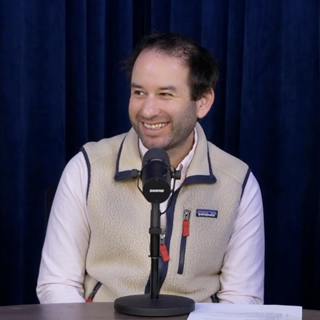
Ep. 523 Getting Started in Interventional Oncology: Tips for Starting your Career
Are you seeking to build your reputation and patient base within interventional oncology? In this episode, host Dr. Zachary Berman interviews Dr. Siddarth Padia, Dr. Tyler Sandow, Dr. Kavi Krishnasamy, and Dr. Kevin Burns about their journeys into interventional oncology (IO) and their experiences providing care in different practice settings. Physicians, nurses, nurse practitioners, and physician assistants can follow this link to earn CME / CE credits for completing an accredited learning activity related to this discussion: https://www.cmeuniversity.com/course/take/125742 --- This podcast is supported by an educational grant from AstraZeneca Pharmaceuticals and Boston Scientific. --- SYNPOSIS The doctors begin by discussing how they became interested in interventional oncology, with most of them recognizing opportunities to address unmet needs in the field. Each guest shares insights on the timelines and challenges involved in starting their IO practices, which vary significantly today. For instance, telehealth clinics are particularly viable in private practice IO, thanks to conferencing software and virtual translators. Hybrid care models, which combine in-person and remote consultations, can help overcome patient-level barriers such as time and transportation. The panel also emphasizes how increased clinic availability can significantly drive growth in procedural volume. Finally, they offer advice for starting an IO practice, including the importance of having clinic support staff, building strong relationships with referring physicians, and staying up to date with new technologies. --- TIMESTAMPS 00:00 - Introduction 05:38 - Balancing Career Interests and Expectations 07:10 - Building an Interventional Oncology Practice 13:42 - Gaining Trust from Referring Physicians 17:33 - Importance of Open Communication 19:19 - Comparing Clinic Settings 26:01 - Essential Components of a Clinic 33:28 - Narrowing Your Interventional Practice 40:09 - Introducing New Technology --- RESOURCES CME Accreditation Information: https://f7cae4ec-b69e-490d-9e0f-19b16a6f146d.usrfiles.com/ugd/f7cae4_a7c37ea3cd1b4d3fa53d5edf8dfe255b.pdf
7 Maalis 202544min
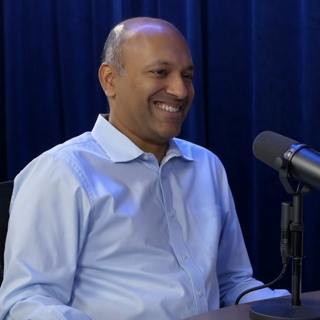
Ep. 522 Advancements in Treatment of Metastatic Ocular Melanoma with Dr. Altan Ahmed and Dr. Sid Padia
Is there a way to treat liver metastasis secondary to uveal melanoma without introducing systemic, treatment-related toxicity? Dr. Altan Ahmed (interventional radiologist at Moffitt Cancer Center) and Dr. Sid Padia (interventional radiologist at UCLA) join guest-host Dr. Kavi Krishnasamy to discuss HEPZATO, a novel device-based treatment for liver metastases from uveal melanoma. --- This podcast is supported by: RADPAD® Radiation Protection https://www.radpad.com/ --- SYNPOSIS Dr. Ahmed and Dr. Padia begin by exploring the design and setup of the HEPZATO clinical trials, while also speaking on patient selection criteria. The doctors then talk through the technical aspects of the intervention. After covering workflow and considerations related to procedure timing and coordination, the doctors go on to discuss drug dosing and optimizing treatment cycles. The episode concludes with current gaps in literature, current and future research aims, and potential future applications of the HEPZATO modality in treating other malignancies such as colorectal cancer. --- TIMESTAMPS 00:00 - Introduction 05:40 - Patient Selection Criteria 09:49 - Workflow 19:17 - Procedure Timing and Coordination 29:39 - Challenges and Considerations in Drug Dosing 32:39 - Optimizing Treatment Cycles and Patient Response 37:56 - Managing Post-Treatment and Adverse Effects 43:43 - Future Research and Gaps in Current Interventions 50:45 - Exploring New Applications for PHP Therapy 55:02 - Conclusion --- RESOURCES Hepzato: https://hepzatokit.com/ FOCUS Trial - Efficacy and Safety of the Melphalan/Hepatic Delivery System in Patients with Unresectable Metastatic Uveal Melanoma: Results from an Open-Label, Single-Arm, Multicenter Phase 3 Study: https://pubmed.ncbi.nlm.nih.gov/38704501/ FOCUS phase 3 trial results: Percutaneous hepatic perfusion (PHP) with melphalan for patients with ocular melanoma liver metastases (PHP-OCM-301/301A): https://ascopubs.org/doi/pdf/10.1200/JCO.2022.40.16_suppl.9510 Combining Melphalan Percutaneous Hepatic Perfusion with Ipilimumab Plus Nivolumab in Advanced Uveal Melanoma: First Safety and Efficacy Data from the Phase Ib Part of the Chopin Trial: https://pubmed.ncbi.nlm.nih.gov/36624292/ Troponin Elevation in Patients Undergoing Percutaneous Hepatic Perfusion for Metastatic Uveal Melanoma: https://pmc.ncbi.nlm.nih.gov/articles/PMC11010739/ Percutaneous Hepatic Perfusion with Melphalan in Patients with Unresectable Ocular Melanoma Metastases Confined to the Liver: A Prospective Phase II Study: https://pmc.ncbi.nlm.nih.gov/articles/PMC7801354/ Southampton group - Quality of life after melphalan percutaneous hepatic perfusion for patients with metastatic uveal melanoma: https://pmc.ncbi.nlm.nih.gov/articles/PMC10906212/ Leiden group - Quality of Life Analysis of Patients Treated with Percutaneous Hepatic Perfusion for Uveal Melanoma Liver Metastases: https://pubmed.ncbi.nlm.nih.gov/38587534/
4 Maalis 202557min
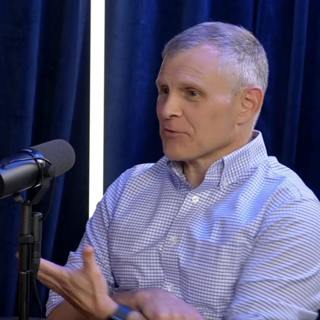
Ep. 521 Surgery for HCC: What’s its Role Today?
Is surgery truly the "cure" for hepatocellular carcinoma (HCC), and when is it a viable option? In this episode, Dr. Sabeen Dhand leads a roundtable discussion with interventional radiologist Dr. Siddharth Padia and transplant/hepatobiliary surgeons Dr. John Seal and Dr. Gabriel Schnickel, delving into the complexities of surgical treatments for HCC and the evolving landscape of liver resection and transplantation. Physicians, nurses, nurse practitioners, and physician assistants can follow this link to earn CME / CE credits for completing an accredited learning activity related to this discussion: https://www.cmeuniversity.com/course/take/125741 --- This podcast is supported by an educational grant from AstraZeneca Pharmaceuticals and Boston Scientific. --- SYNPOSIS The doctors begin by discussing how they manage patient expectations regarding both palliative and curative treatments, highlighting the risk of recurrent HCC as a new lesion. They then outline key factors that influence their recommendations for liver transplant versus resection, such as the extent of underlying liver disease, the function of the future liver remnant, body habitus, overall health, and organ availability. The surgeons also review various surgical approaches to liver resection and recent advancements in liver transplantation, including living donor transplants and the ability to refer patients for downstaging procedures. Dr. Padia explains the original role of Y90 as a bridging treatment to downstage tumors and promote hypertrophy in the non-diseased liver segments, preparing the organ for surgical resection. However, Y90 treatment can also lead to the formation of adhesions, which may complicate future surgeries. Finally, the doctors discuss strategies to improve care coordination between community physicians and transplant centers to optimize patient outcomes. --- TIMESTAMPS 00:00 - Curative vs. Palliative Treatment 04:03 - Choosing Between Transplantation and Resection 05:47 - Liver Resection Types 07:27 - Bridging Role of Y90 12:14 - Evolving Landscape of Liver Transplantation 20:59 - Patient Counseling in Minimally Invasive Procedures 28:40 - Considerations for Surgery After Y90 33:32 - Coordination Between Specialists 40:08 - Immunotherapy as a Bridge to Transplant --- RESOURCES CME Accreditation Information: https://f7cae4ec-b69e-490d-9e0f-19b16a6f146d.usrfiles.com/ugd/f7cae4_a7c37ea3cd1b4d3fa53d5edf8dfe255b.pdf
28 Helmi 202546min
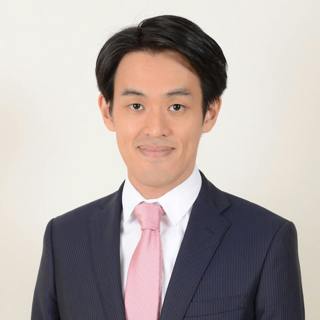
Ep. 520 Frontiers in Musculoskeletal Embolization with Dr. Yuji Okuno
Musculoskeletal embolization is generating significant excitement in the field of chronic pain management. In this episode, Dr. Jacob Fleming hosts a discussion with Dr. Yuji Okuno from Japan, a pioneer in both basic science and clinical practice within the field of musculoskeletal embolization. --- This podcast is supported by: Medtronic MVP https://www.medtronic.com/mvp --- SYNPOSIS The conversation delves into Dr. Okuno's groundbreaking work using embolization to treat chronic pain from conditions such as frozen shoulder, knee osteoarthritis, plantar fasciitis, and various sports injuries. Dr. Okuno discusses the development of new temporary embolic agents and compares different approaches to embolization treatments, including the innovative use of antibiotics as embolic material. The doctors also cover the intriguing concept of differential recanalization, where abnormal inflammatory vessels are less likely to recanalize than normal vessels after embolic treatment. Identifying hypervascularity through MRI, ultrasound, or angiogram is a crucial step before attempting embolization. Overall, Dr. Okuno offers valuable insights into his clinical practice and the potential for groundbreaking advancements in musculoskeletal care worldwide. --- TIMESTAMPS 00:00 - Introduction 01:54 - Origins of Embolization for Pain 04:15 - Basic Science Research Discoveries and Clinical Trials 09:02 - Temporary Embolic Materials 15:28 - Techniques for Embolization 17:33 - Plantar Fasciitis Treatment 24:04 - Future of Embolization in Sports Injuries 28:11 - Diagnostic Imaging in Embolization 36:10 - Global Expansion and Collaborations
25 Helmi 202538min

Ep. 519 Transplantation for HCC: Who, When, and How?
The process of liver transplantation involves many complexities, and each patient's path to transplant is unique. To offer insider perspectives on this process, Dr. Zachary Berman sits down with transplant and hepatobiliary surgeon Dr. John Seal, as well as transplant hepatologists Dr. Heather Patton and Dr. Steve Young. Physicians, nurses, nurse practitioners, and physician assistants can follow this link to earn CME / CE credits for completing an accredited learning activity related to this discussion: https://www.cmeuniversity.com/course/take/125740 --- This podcast is supported by an educational grant from AstraZeneca Pharmaceuticals and Boston Scientific. --- SYNPOSIS The panel begins by discussing the multidisciplinary pre-transplant evaluation process, which assesses factors such as liver function, comorbidities, surgical risk, and the availability of psychosocial support. Once a patient is listed for transplant, they enter a system that prioritizes those with the highest Model for End-Stage Liver Disease (MELD) score. During the waiting period, several comorbidities should be carefully monitored. Dr. Seal explores the impact of portal vein hypertension and portal vein thrombosis, explaining how these conditions may necessitate intraoperative thrombectomy or bypass. Dr. Patton and Dr. Young focus on considerations for using anticoagulation in patients with a high baseline bleeding risk and selecting the appropriate anticoagulant for patients listed for transplant. For patients with hepatocellular carcinoma (HCC), eligibility for MELD exception points may depend on factors such as time spent on the waiting list, adherence to the Milan criteria, and the presence of extrahepatic complications of liver disease. The panel also discusses bridging therapies to transplant, including Y90 and TACE. In the peri-transplant phase, they highlight innovations such as living donor transplants, liver perfusion pumps, and the use of hepatitis C- and HIV-positive organs. Finally, the discussion turns to post-transplant considerations, including surgical complications, organ rejection, immunosuppression, predictors of HCC recurrence, and long-term surveillance. --- TIMESTAMPS 00:00 - Introduction 01:16 - Current Landscape of Liver Transplantation 03:22 - Transplant Evaluation Process 09:48 - Timeline from Listing to Transplantion 11:16 - Treating Portal Vein Thrombosis and Hypertension 18:44 - MELD Exception Points 22:05 - Bridging Therapies 25:34 - Peri-Transplant Considerations 30:53 - Post-Transplant Period 37:39 - Repeat Transplantation --- RESOURCES Model for end-stage liver disease (MELD) and allocation of donor livers (Wiesner et al, 2003): https://www.gastrojournal.org/article/S0016-5085%2803%2950022-1/fulltext Liver transplantation for the treatment of small hepatocellular carcinomas in patients with cirrhosis- Milan Criteria (Mazzaferro et al, 1996): https://pubmed.ncbi.nlm.nih.gov/8594428/ Validation of the prognostic power of the RETREAT score for hepatocellular carcinoma recurrence using the UNOS database (Mehta et al, 2019): https://pmc.ncbi.nlm.nih.gov/articles/PMC6445634/ CME Accreditation Information: https://f7cae4ec-b69e-490d-9e0f-19b16a6f146d.usrfiles.com/ugd/f7cae4_a7c37ea3cd1b4d3fa53d5edf8dfe255b.pdf
21 Helmi 202545min
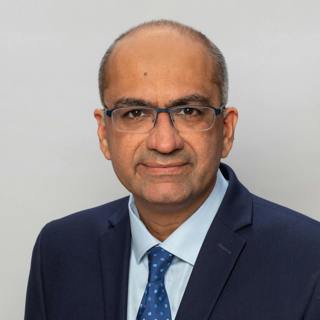
Ep. 518 Long-Term Outcomes of Prostatic Artery Embolization (PAE) with Dr. Shivank Bhatia
Do we finally have definitive data on the efficacy of prostate artery embolization (PAE)? Dr. Shivank Bhatia (interventional radiologist at University of Miami) joins host Dr. Michael Barraza to discuss the findings from his prospective 1,075 patient study on the long-term outcomes of PAE, the largest longitudinal, single-center, single-operator, prospective study in the United States. --- This podcast is supported by: RADPAD® Radiation Protection https://www.radpad.com/ Medtronic MVP https://www.medtronic.com/mvp --- SYNPOSIS Dr. Bhatia begins by sharing his early years of training, and the steps he took to become an expert in all things PAE. He also covers how he helped build the PAE program at University of Miami, sharing several pearls for young IRs and trainees that are interested in bringing new service lines to their institutions. Dr. Bhatia then talks through the details of the study that he spearheaded, and encourages everyone to tune in - physicians and patients alike. --- TIMESTAMPS 00:00 - Introduction 05:12 - Building a PAE Program 18:55 - PAE Procedure Technicalities 22:30 - Post-Procedure Meds and Care 25:13 - Study Details and Patient Demographics 27:36 - Procedure Time and Technical Success 28:32 - Safety and Efficacy of PAE 38:06 - PSA Levels and Prostate Cancer 40:42 - Urinary Retention and Treatment Prioritization 45:17 - Re-Intervention Rates and Medication Independence --- RESOURCES Pisco et al (2011) - Prostatic arterial embolization to treat benign prostatic hyperplasia: https://pubmed.ncbi.nlm.nih.gov/21195898/ Bhatia et al (2024) - Prostatic Artery Embolization: Mid- to Long-Term Outcomes in 1,075 Patients: https://pubmed.ncbi.nlm.nih.gov/39532156/
18 Helmi 202554min
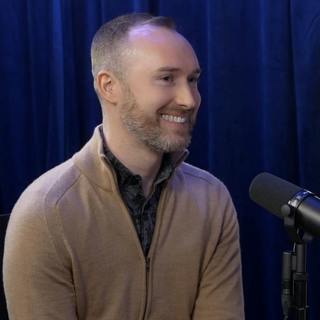
Ep. 517 Complex HCC Patients and the "Grey Zone": What to Do When You Don’t Know What to Do
Treatment of hepatocellular carcinoma (HCC), like that of many other cancers, spans a spectrum from curative to palliative intent. To explore the "grey zone" of treatment goals for intermediate-stage HCC patients, Dr. Sabeen Dhand interviews a panel of experts in the field: medical oncologists Dr. Adam Burgoyne and Dr. Lingling Du, along with interventional radiologists Dr. Kirema Garcia-Reyes and Dr. Zachary Berman. Physicians, nurses, nurse practitioners, and physician assistants can follow this link to earn CME / CE credits for completing an accredited learning activity related to this discussion: https://www.cmeuniversity.com/course/take/125739 --- This podcast is supported by an educational grant from AstraZeneca Pharmaceuticals and Boston Scientific. --- SYNPOSIS The discussion begins with an explanation of the Barcelona-Clinic Liver Cancer (BCLC) staging system. While this system takes into account helpful factors such as liver function, performance status, and tumor burden, it fails to fully capture the true heterogeneity of the HCC patient population. Additional considerations include tumor biology, response to previous treatments, and the location of metastases. The specialists then share their experiences in treating patients with comorbid gastrointestinal cancers and mixed tumors, discuss the benefits of an interventional oncology clinic setting, and highlight virtual opportunities for connecting with tumor boards. They also offer advice on patient education regarding treatment options. --- TIMESTAMPS 00:00 - Introduction to BCLC Staging 03:02 - Impact of Performance Status 06:29 - Predictors of Survival in HCC 09:51 - Palliative versus Curative Treatment Intent 13:55 - Comorbid and Mixed Gastrointestinal Cancers 16:51 - Adverse Effects of Treatment 20:37 - Interventional Oncology in the Clinic Setting 23:06 - Navigating Multiple Provider Viewpoints 28:01 - Complex Case Examples --- RESOURCES BCLC strategy for prognosis prediction and treatment recommendation: The 2022 update (Reig et al, 2022): https://www.journal-of-hepatology.eu/article/S0168-8278(21)02223-6/fulltext CME Accreditation Information: https://f7cae4ec-b69e-490d-9e0f-19b16a6f146d.usrfiles.com/ugd/f7cae4_a7c37ea3cd1b4d3fa53d5edf8dfe255b.pdf
14 Helmi 202539min