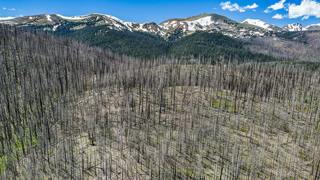
Can ‘assisted migration’ save forests? And the role of philosophy in science
First up on the podcast, as the planet warms and forests burn, can we replant them with new trees that will thrive in the decades ahead? Associate Editor Katie Langin joins host Sarah Crespi to discus...
17 Syys 39min
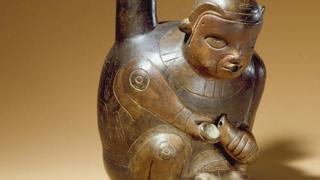
Psychoactive substances helped spur Andean civilization, and breaking barriers to education
First up on the podcast, producer Meagan Cantwell and freelance journalist Andrew Lawler discuss how psychoactive drugs might have shaped culture in pre-Inca Andean societies. They chat about how tech...
10 Syys 33min
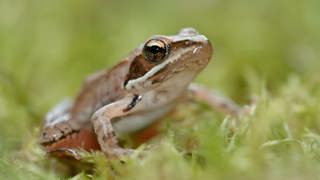
Sex-reversing frogs, and Europe’s rising rates of a deadly tick-borne disease
First up on the podcast, Senior International Correspondent Richard Stone joins host Sarah Crespi to discuss how climate is pushing the disease-carrying tick Hyalomma marginatum out of its comfort zon...
3 Syys 27min

Making drugs in space, the man who fed India, and what narwhals can teach us about changing seas
First up on the podcast, will it ever make economic sense to produce drugs and biomedical supplies in space? Associate Online News Editor Michael Greshko discusses his story on the researchers attempt...
27 Elo 49min
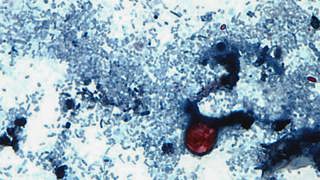
Why tracing cyclosporiasis is so tough, and a digestible probe for the microbiome
First up on the podcast, the News team’s Diverse Voices in Science Journalism interns Mona Patterson and Laura Martín Agudelo join host Sarah Crespi to talk over some of their reporting from the summe...
20 Elo 28min
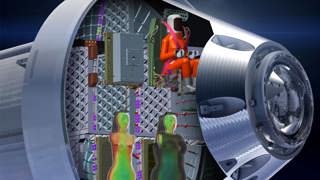
A vest for blocking cosmic rays, and updates on NIH funding
First up on the podcast, ScienceInsider Editor Jocelyn Kaiser joins host Sarah Crespi for the latest science policy news. The two discuss recent grant cancellations by the U.S. National Institutes of ...
13 Elo 26min
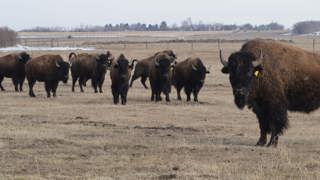
Did meat or fruit give people big brains, and protecting bison diversity using ancient DNA
First up on the podcast, Deputy News Editor Michael Price discusses the history of the North American bison population, its decline, and resurrection—and links to Indigenous cultures. He’s joined by U...
6 Elo 38min

AI’s influence on society, measuring muscles, and a Crick biography
First up on the podcast, we catch up with Celina Zhao, a staff reporter for Science’s AI In Science reporting initiative. She talks with host Sarah Crespi about artificial intelligence’s knack for fin...
30 Heinä 46min