1.3.13A 故事 《司马光》
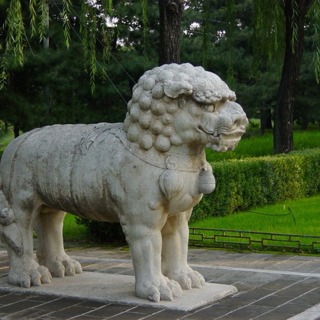
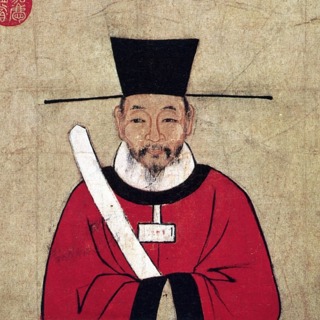
Simaguang is the writer of the greatest Chinese history masterpiece "Zizhi Tongjian". He was a famous historian, writer and politician in Song Dynasty. This story records his heroic act of saving a dr...
14 Syys 20162min
2.1.11B 故事解读《小壁虎借尾巴》
壁虎 bìhǔ Noun, gecko 尾巴 wěibā Noun, tail 角 jiǎo Noun, corner 墙角,corner of the wall 街角,corner of the street 蚊子 wénzi Noun, mosquito 咬住 yǎo zhù Verb phrase, to bite into; to grip 挣 zhèng Verb, to break; ...
13 Syys 201621min
2.1.11A 故事《小壁虎借尾巴》
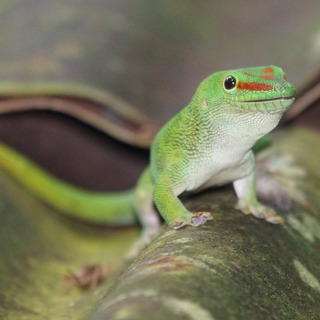
This is a scientific story about a little gecko trying to find out a solution after its tail was bitten by a snake. After an adventure of going to different animals and asking for a loan of a new tail...
13 Syys 20163min
1.3.12B 故事解读《胖乎乎的小手》
胖乎乎 pànghūhū Adj, chubby 全家 quánjiā Noun phrase, whole family 兰兰 lánlan Chinese nickname for girls. 兰 is a kind of a flower 下班 xiàbān Verb phrase, to get off work 拿 ná Verb, to take/pick something wit...
12 Syys 201621min
1.3.12A 故事《胖乎乎的小手》
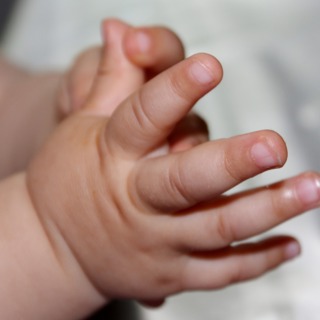
This is a modern story that happens in a Chinese family. Chinese girl Lanlan's painting of her own chubby hands got praised by all of her family members. Lanlan's father picked this picture from many ...
12 Syys 20162min
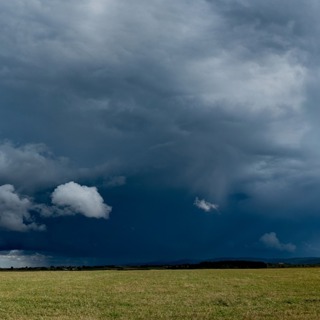
2.1.10B 故事解读《要下雨了》
要 yào Auxiliary verb, means "soon will"; "is going to" 弯 wān Verb, to bend 腰 yāo Noun, waist 山坡 shānpō Noun, the slope of a hill 山顶(ding),the top of a hill 山脚,the foot of a hill 山腰,the mid of a hill 闷...
12 Syys 201622min
2.1.10A 故事《要下雨了》
This is a scientific story that teaches people to predict rain from observing animals' change in their behaviors. It is told through a rabbit's lens. 小白兔弯着腰在山坡上割草。天气很闷,小白兔直起 身子,伸伸腰。 小燕子从他头上飞过。小白兔大声 ...
12 Syys 20163min
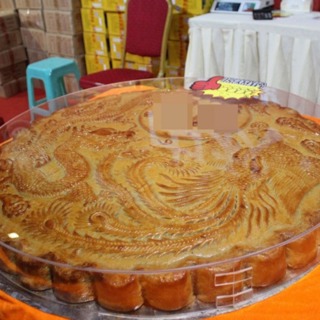
2.2.10B 新闻故事解读《重庆"月饼王"》
装 zhuāng Verb, to stuff; to fill 满 mǎn Adj, full 海鲜 hǎixiān Noun, seafood 馅 xiàn Noun, filling(s) In northern China, people say 馅儿 重庆 Chóngqìng City name, Chongqing 直径 zhíjìng Noun, diameter 米 mǐ Noun...
7 Syys 201623min