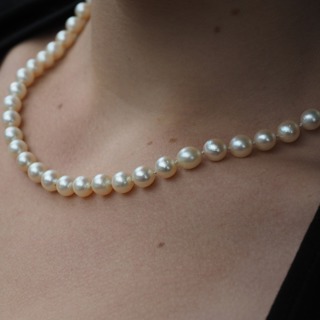
2.1.20B故事解读《珍珠项链》
旅游时,我给母亲挑了一串珍珠项链。母亲生日那天,她高兴地戴上了这串项链。我们先逛街,然后去一家酒店的餐厅吃饭。 吃饭的时候,服务员不小心把饮料洒在了母亲的衣领上。母亲就去了一趟洗手间,去了好久都没回来。我赶紧去找她。在洗手间门口,我看见母亲在跟一个穿短袖上衣的女孩儿说话,见我来了,女孩儿向母亲弯了弯腰,匆匆地走了。我觉得有点儿奇怪,但母亲什么也没说。 回到家里,我才知道事情的经过。 母亲在洗手间擦...
7 Maalis 201729min
2.1.20A故事《珍珠项链》
On the day when I was celebrating my mom's birthday with her at a restaurant, my mom's pear necklace almost got stole in the restroom. I was shocked by the fact that my mom did not only not report the...
7 Maalis 20174min
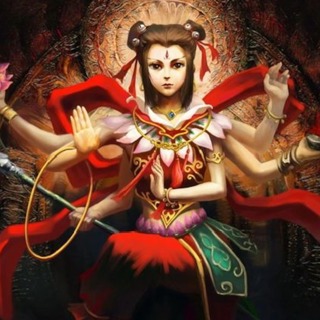
2.2.20B 故事解读《哪吒闹海》
哪吒 Né zhā Name, a hero fictional figure in Chinese mythology 闹 nào verb, to start a chaos 龙王 lóngwáng noun, dragon king 父子 fùzǐ noun phrase, father and son 称霸一方 chēngbàyìfāng Chengyu, to play the tyra...
11 Tammi 201727min
2.2.20A 故事《哪吒闹海》
Nezha is a famous fictional figure in Chinese mythology stories. As a kid hero, he rewards the right and punishes the wrong. In this chapter, the story tells Nezha fighting with the evil power in the ...
11 Tammi 20173min
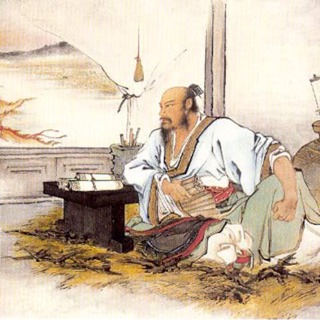
2.2.19B 故事解读《卧薪尝胆》
卧 wò verb, to lie down 薪 xīn noun, fire woods 尝 cháng verb, to taste 胆 dǎn noun, gallbladder 长江 chángjiāng noun, the Yangtze River 下游 xiàyóu noun phrase, downstream 征服 zhēngfú verb, to conquer 对方 duìf...
5 Tammi 201724min
2.2.19A 故事《卧薪尝胆》
The King of Yue did not give up after losing to Wu in the war of Kuaiji. Instead, he restarted his life with his wife as the slaves for the King in Wu and at the same time accumulated their strengths....
5 Tammi 20173min
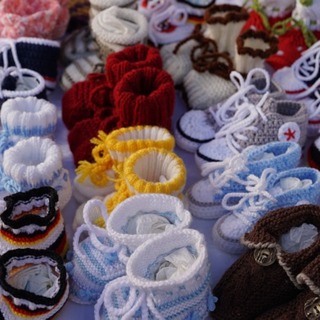
1.3.22B 故事解读《郑人买履》
郑 Zhèng noun, name of a country in Chunqiu era 履 lǚ noun, ancient Chinese word for "shoe(s)" 先 xiān adverb, firstly 量 liáng verb, to measure 尺码 chǐmǎ noun, size (for shoes and tailoring of clothes) 忘记...
4 Tammi 201714min
1.3.22A 故事《郑人买履》
This ancient dude who lived during Chunqiu era(BC 770-476) chose to run back home to fetch the number of his feet size in order to purchase a new pair of shoes for himself, rather than to try shoes on...
4 Tammi 20172min