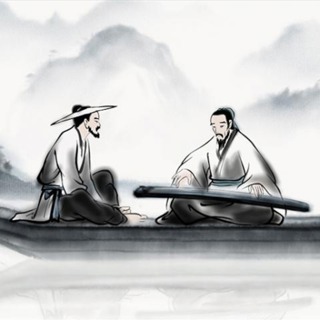
2.2.21B 故事解读《高山流水》

2.2.21B 故事解读《高山流水》


高山流水 春秋时期,有个叫俞伯牙的人,琴弹得非常好。可惜没人了解他的琴声,这让他觉得很郁闷。 有一次,俞伯牙奉晋国国君的命令,到南方的楚国办事。一天晚上,他来到汉阳江口,船夫把船停在了江边,俞伯牙见明月当空,就弹起了琴。琴声引来了一位叫钟子期的樵夫,他对俞伯牙的演奏十分欣赏。于是,两人谈起了音乐,这一谈非常投机,大有相见恨晚之意。俞伯牙弹了一曲,钟子期称赞道:"大人志在高山。"俞伯牙又弹了一曲,钟子期又说:"大人志在流水。"俞伯牙见他精通乐理,知音难得,便与他结为兄弟。临别时约定明年中秋再聚会。 第二年,伯牙如约来访子期。一路上,伯牙兴奋不已,总觉得船走得太慢。谁知上岸一打听,子期竟在数月前病逝了。伯牙伤心万分,跌跌撞撞地来到钟子期的墓前,哀伤地弹完一曲,双手举琴向祭台上摔去,说:"子期已经不在了,我还弹琴给谁听呢?"从那以后,俞伯牙再也不弹琴了。 这就是"高山流水"这句成语的由来,后来常常用来比喻知音难觅。 ——选自http://www.3kid.net/docs/0116/1233869685.htm Support us through Patreon: https://www.patreon.com/learningchinesethroughstories 流水 liúshuǐ, noun phrase, flowing water 春秋 Chūn Qiū,noun, 771-476 BC in Chinese history 时期 shíqī, noun, period;era 琴 qín, noun, piano 弹 tán,to play (the piano, violin, guita, etc.) 可惜 kěxī, adv, unfortunately 了解 liǎojiě, verb, to understand; to know 郁闷 yùmèn, adj, depressed 奉……命令 fèng……mìnglìng, verb phrase, act under orders of... 晋国 Jìn guó, the country of Jin, the province of Shanxi now 国君 guójūn, noun, emperor 楚国 Chǔ guó, the country of Chu, includes the current Hubei, parts of Hunan, Chongqing, Henan, Guangdong, Anhui, Jiangsu, Jiangxi and so on. 办事 bànshì, verb, to handle affairs 汉阳 hànyáng, place name, nearby Wuhan, Hubei 江 jiāng, noun, river 船夫 chuánfū, noun, the boatman 明月当空 míngyuè dàngkōng, chengyu, the bright moon in on 引来 yǐn lái, verb, to attract someone to come 樵夫 qiáo fū, noun, woodcutter 演奏 yǎnzòu, verb, to play music; noun, the music played by someone 欣赏 xīnshǎng, verb, to appreciate; to adore 投机 tóujī, adj, getting along like soulmates 相见恨晚 xiāng jiàn hèn wǎn, chengyu, regret not to have known someone before 称赞 chēngzàn, verb, to praise; to compliment 精通 jīngtōng,verb,to be proficient in 乐理 yuèlǐ, noun, the knowledge of music 知音 zhīyīn, noun, soulmate 难得 nándé, adj, hard to come by; rare 结为 jié wéi, verb, to become couple, brothers, sister after a ceremony 临别 línbié, time phrase, on parting; facing seperation 约定 yuēdìng, verb, to arrange an appointment; noun, promise 聚会 jùhuì, noun, reunion 如约 rúyuē, verb, as promised 访 fǎng, verb, to visit 兴奋不已 xīngfèn bùyǐ, chengyu, excited; hyper 打听 dǎtīng, verb, to inquire about 竟 jìng, adv, unexpectedly 数月 shù yuè, noun phrase, a few months 病逝 bìngshì, verb phrase, to get sick and die 万分 wànfēn, adv, extremely 跌跌撞撞 diēdiēzhuàngzhuàng, chengyu, stagger along (坟)墓 (fén) mù, noun, tomb 哀伤 āishāng, adj, sad 双手 shuāngshǒu, noun phrase, a pair of hands 举 jǔ, verb, to raise up 祭台 jì tái, noun, altar in front of the tomb 摔 shuāi, verb, to throw and break 由来 yóulái, noun, origin 难觅 nán mì, adj, hard to find

Tämä jakso on lisätty Podme-palveluun avoimen RSS-syötteen kautta eikä se ole Podmen omaa tuotantoa. Siksi jakso saattaa sisältää mainontaa.

Jaksot(395)

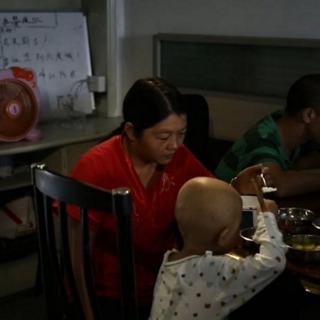
2.3.6A 新闻《因病致贫的白血病儿家庭:父亲欲卖肾救女》

2.3.6A 新闻《因病致贫的白血病儿家庭:父亲欲卖肾救女》

This father decided to sell a kidney, so that he could have the money to save his little daughter from leukemia. 75% of the Chinese leukemia patients are from countryside and those families made less ...

20 Syys 20164min

2.1.12B 故事解读《小伙伴》

2.1.12B 故事解读《小伙伴》

小伙伴 xiǎo huǒbàn noun, companies (that one hang out with) 春游 chūnyóu Noun, spring outing 秋游,冬游 午餐 wǔcān Noun, lunch Or 午饭 早饭,早餐:breakfast 晚饭,晚餐:dinner 一旁 yì páng Noun, one side; away from the majority ...

19 Syys 201629min

2.1.12A 故事《小伙伴》

2.1.12A 故事《小伙伴》

At this beautiful spring field trip day, Masha found she lost her backpack that had her lunch box in it. Three buddies had different reactions and Masha might have just learned who could become her be...

19 Syys 20163min
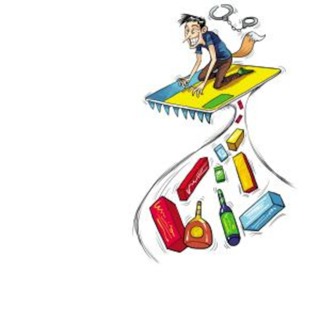
2.2.11B 新闻故事解读《男子持假信用卡买高档烟酒》

2.2.11B 新闻故事解读《男子持假信用卡买高档烟酒》

男子 nánzǐ Noun, male; guy; man Anonym 女子 天 tiān Noun, day 内 nèi Prep, within (a period of time); inside (a space) 一天内,within one day 学校内,inside school 持 chí Verb, to take; to hold 假 jiǎ Adj, fake 信用卡 x...

16 Syys 201628min

2.2.11A 新闻故事《男子持假信用卡买高档烟酒》

2.2.11A 新闻故事《男子持假信用卡买高档烟酒》

Spending 134,000 Yuan on expensive cigarettes and fine wine in just 6 days! This guy isn't insane cause he isn't swiping his own credit card. And he got sentenced and a penalty of course. Check it out...

16 Syys 20162min
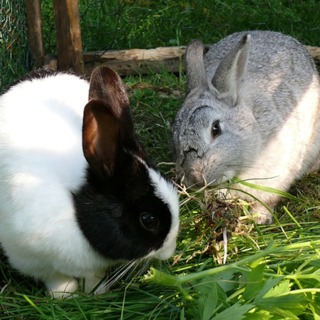
1.3.14B 故事解读《小白兔和小灰兔》

1.3.14B 故事解读《小白兔和小灰兔》

山羊 shānyáng Noun, goat 收 shōu Verb, to harvest 收麦子,to harvest wheat 收玉米,to harvest corns 白菜 báicài Noun, napa cabbage 收下 shōu xià Verb, to accept (gift, money, bribery, etc.) 些 xiē Pronoun, some 一些, s...

14 Syys 201616min

1.3.14A 故事《小白兔和小灰兔》

1.3.14A 故事《小白兔和小灰兔》

"Give a Man a Fish, and You Feed Him for a Day. Teach a Man To Fish, and You Feed Him for a Lifetime". Have you heard about this quote before? Well, this is a similar one, but it is rabbit and napa ca...

14 Syys 20163min
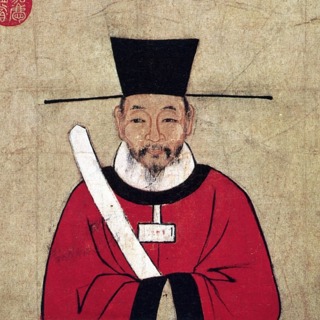
1.3.13B 故事解读《司马光》

1.3.13B 故事解读《司马光》

古时候 gǔ shíhòu Noun phrase, ancient times 回 huí noun, time(s) 一回,one time/once 两回,twice 几回,a few times 跟 gēn Prep, (do something) with (someone); and, (noun) and (noun) 我跟朋友去看电影。I went to the movie wit...

14 Syys 201617min

Suosittua kategoriassa Koulutus

rss-murhan-anatomia
psykopodiaa-podcast
voi-hyvin-meditaatiot-2
adhd-podi
rss-rahamania
rss-valo-minussa-2
rss-luonnollinen-synnytys-podcast
rss-liian-kuuma-peruna
rss-narsisti
rahapuhetta
kesken
ihminen-tavattavissa-tommy-hellsten-instituutti
rss-tietoinen-yhteys-podcast-2
rss-arkea-ja-aurinkoa-podcast-espanjasta
rss-niinku-asia-on
aamukahvilla
dear-ladies
filocast-filosofian-perusteet
rss-vapaudu-voimaasi
rss-ammattipuhuja