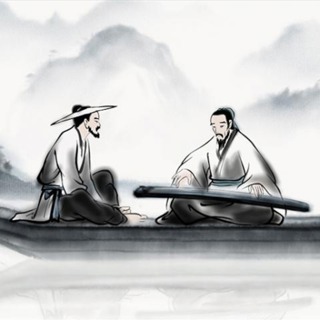

2.2.21B 故事解读《高山流水》

2.2.21B 故事解读《高山流水》


高山流水 春秋时期,有个叫俞伯牙的人,琴弹得非常好。可惜没人了解他的琴声,这让他觉得很郁闷。 有一次,俞伯牙奉晋国国君的命令,到南方的楚国办事。一天晚上,他来到汉阳江口,船夫把船停在了江边,俞伯牙见明月当空,就弹起了琴。琴声引来了一位叫钟子期的樵夫,他对俞伯牙的演奏十分欣赏。于是,两人谈起了音乐,这一谈非常投机,大有相见恨晚之意。俞伯牙弹了一曲,钟子期称赞道:"大人志在高山。"俞伯牙又弹了一曲,钟子期又说:"大人志在流水。"俞伯牙见他精通乐理,知音难得,便与他结为兄弟。临别时约定明年中秋再聚会。 第二年,伯牙如约来访子期。一路上,伯牙兴奋不已,总觉得船走得太慢。谁知上岸一打听,子期竟在数月前病逝了。伯牙伤心万分,跌跌撞撞地来到钟子期的墓前,哀伤地弹完一曲,双手举琴向祭台上摔去,说:"子期已经不在了,我还弹琴给谁听呢?"从那以后,俞伯牙再也不弹琴了。 这就是"高山流水"这句成语的由来,后来常常用来比喻知音难觅。 ——选自http://www.3kid.net/docs/0116/1233869685.htm Support us through Patreon: https://www.patreon.com/learningchinesethroughstories 流水 liúshuǐ, noun phrase, flowing water 春秋 Chūn Qiū,noun, 771-476 BC in Chinese history 时期 shíqī, noun, period;era 琴 qín, noun, piano 弹 tán,to play (the piano, violin, guita, etc.) 可惜 kěxī, adv, unfortunately 了解 liǎojiě, verb, to understand; to know 郁闷 yùmèn, adj, depressed 奉……命令 fèng……mìnglìng, verb phrase, act under orders of... 晋国 Jìn guó, the country of Jin, the province of Shanxi now 国君 guójūn, noun, emperor 楚国 Chǔ guó, the country of Chu, includes the current Hubei, parts of Hunan, Chongqing, Henan, Guangdong, Anhui, Jiangsu, Jiangxi and so on. 办事 bànshì, verb, to handle affairs 汉阳 hànyáng, place name, nearby Wuhan, Hubei 江 jiāng, noun, river 船夫 chuánfū, noun, the boatman 明月当空 míngyuè dàngkōng, chengyu, the bright moon in on 引来 yǐn lái, verb, to attract someone to come 樵夫 qiáo fū, noun, woodcutter 演奏 yǎnzòu, verb, to play music; noun, the music played by someone 欣赏 xīnshǎng, verb, to appreciate; to adore 投机 tóujī, adj, getting along like soulmates 相见恨晚 xiāng jiàn hèn wǎn, chengyu, regret not to have known someone before 称赞 chēngzàn, verb, to praise; to compliment 精通 jīngtōng,verb,to be proficient in 乐理 yuèlǐ, noun, the knowledge of music 知音 zhīyīn, noun, soulmate 难得 nándé, adj, hard to come by; rare 结为 jié wéi, verb, to become couple, brothers, sister after a ceremony 临别 línbié, time phrase, on parting; facing seperation 约定 yuēdìng, verb, to arrange an appointment; noun, promise 聚会 jùhuì, noun, reunion 如约 rúyuē, verb, as promised 访 fǎng, verb, to visit 兴奋不已 xīngfèn bùyǐ, chengyu, excited; hyper 打听 dǎtīng, verb, to inquire about 竟 jìng, adv, unexpectedly 数月 shù yuè, noun phrase, a few months 病逝 bìngshì, verb phrase, to get sick and die 万分 wànfēn, adv, extremely 跌跌撞撞 diēdiēzhuàngzhuàng, chengyu, stagger along (坟)墓 (fén) mù, noun, tomb 哀伤 āishāng, adj, sad 双手 shuāngshǒu, noun phrase, a pair of hands 举 jǔ, verb, to raise up 祭台 jì tái, noun, altar in front of the tomb 摔 shuāi, verb, to throw and break 由来 yóulái, noun, origin 难觅 nán mì, adj, hard to find

Tämä jakso on lisätty Podme-palveluun avoimen RSS-syötteen kautta eikä se ole Podmen omaa tuotantoa. Siksi jakso saattaa sisältää mainontaa.

Jaksot(395)

3.3.2B(1)《他的深圳故事》故事解读(一)

3.3.2B(1)《他的深圳故事》故事解读(一)

深圳 Shēnzhèn Place name, a metropolitan city in Guangdong 市 shì Noun, city as an administrative division \ 北京市,上海市,纽约市…… 区 qū Noun, district as an administrative division 深圳市宝安区,北京市朝阳区 镇 zhèn Noun, tow...

14 Elo 201617min
2.3.2B 过年的由来("年"的故事):故事解读

2.3.2B 过年的由来("年"的故事):故事解读

7 Helmi 201624min

2.3.2A 过年的由来("年"的故事)

2.3.2A 过年的由来("年"的故事)

This story tells the origins of Chinese Lunar New year, which is called "Nian" in Chinese. 中国古时候,有一种叫"年"的怪兽,"年"的头上长着尖角,非常凶猛。"年"兽住在海底,每到除夕,就爬上岸来吃人和牲畜,所以每到除夕,人们都要到深山里躲起来。 这一年的除夕,乡亲们正忙着收拾东西躲到山里去。就在这时候,村子...

7 Helmi 20162min
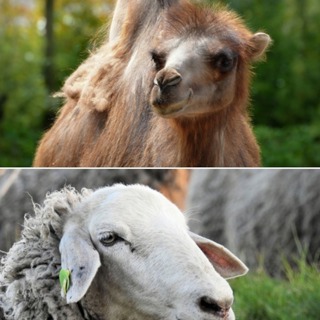
2.2.5B《骆驼和羊》故事解读

2.2.5B《骆驼和羊》故事解读

22 Tammi 201615min

2.2.5A 故事《骆驼和羊》

2.2.5A 故事《骆驼和羊》

A camel and a sheep started an argument about the advantage of heights. The camel argued being tall is good, while the sheep discussed being short got more advantage.They finally learned their lessons...

22 Tammi 20162min

2.1.3B "雪孩子"解读

2.1.3B "雪孩子"解读

17 Tammi 20165min

2.1.3A 故事"雪孩子"

2.1.3A 故事"雪孩子"

This is one of the most well-known Chinese class stories for children. The bunny built a snowman with her mom's help and while the mom went searching for food, bunny was taking a nap at home with the ...

17 Tammi 20162min
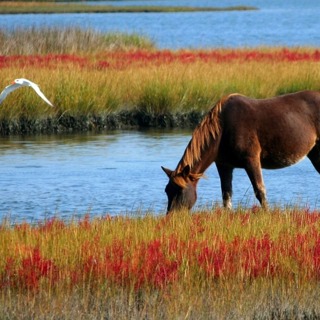
2.2.6B《小马过河》故事解读

2.2.6B《小马过河》故事解读

《小马过河》故事解读 在一座小山旁边,"座"是一个量词,是山的量词。你可以说一座山,一座高山,一座大山,一座小山。住着一匹老马和一匹小马。那这里的"匹"呢是马的量词,除马以外,你还可以说一匹布,布就是你用来做衣服的材料,叫布。小马整天跟着妈妈,整天呢就是从早到晚。从来不肯离开一步。"从来"就是没有发生过的意思。"不肯"呢就是不想、不愿意。"离开"就是小马想一直和妈妈在一起,它不想和妈妈很远。"一步...

6 Joulu 201522min

Suosittua kategoriassa Koulutus

rss-murhan-anatomia
psykopodiaa-podcast
voi-hyvin-meditaatiot-2
adhd-podi
rss-rahamania
rss-valo-minussa-2
rss-luonnollinen-synnytys-podcast
rss-liian-kuuma-peruna
rss-narsisti
rahapuhetta
kesken
ihminen-tavattavissa-tommy-hellsten-instituutti
rss-tietoinen-yhteys-podcast-2
rss-arkea-ja-aurinkoa-podcast-espanjasta
rss-niinku-asia-on
aamukahvilla
dear-ladies
filocast-filosofian-perusteet
rss-vapaudu-voimaasi
rss-ammattipuhuja