3.1.3A 《休息和工作,你要哪一个?》

3.1.3A 《休息和工作,你要哪一个?》

996 is a policy widespread among Chinese companies that makes employees work from 9 a.m. to 9 p.m., six days a week.

"To be able to work 996 is a huge bliss", said Jack Ma, China's richest man. What is your thoughts ?

"每天被闹钟振醒的时候、在路上挤公交的时候,脑子里会闪现出100遍辞职的念头。"29岁的吴梦颖这样形容自己上班时的心情。

" měi tiān bèi nàozhōng zhèn xǐng de shíhou , zài lùshang jǐ gōngjiāode shíhou , nǎozi lǐ huì shǎn xiànchū yībǎi biàn cízhí de niàntou . " èrshíjiǔ Wú Mèngyǐng zhèyàng xíngróng zìjǐ shàngbān shí de xīnqíng

4年前,她进入北京的一家私企做财务工作。第一次面试时,就被老板告知,公司规定每周工作6天,所有部门周六都要在岗。如果不能接受,免谈。

Sì nián qián , tā jìnrù Běijīng de yījiāsīqǐzuò cáiwù gōngzuò . Dì yī cì miànshì shí , jiù bèi lǎobǎn gàozhī, gōngsī guīdìng měizhōu gōngzuò liù tiān , suǒyǒu bùmén Zhōuliù dōu yào zài gǎng . Rúguǒ bù néng jiēshòu , miǎn tán .

虽然不合理,但当时不是名校毕业又没有足够财务经验的吴梦颖,还是接受了这个"霸王条款"。对于已经找了小半年工作的她来说,有份能养活自己的工作要比过周末来得更迫切。

Suīrán bù hélǐ , dàn dāngshí bù shì míngxiào bìyè yòu méiyǒu zúgòu cáiwù jīngyàn de Wú Mèngyǐng , hái shì jiēshòu le zhège " bàwáng tiáokuǎn " . Duìyú yǐjīng zhǎo le xiǎo bàn nián gōngzuò de tā láishuō , yǒu fèn néng yǎnghuo zìjǐ de gōngzuò yào bǐguò zhōumò láiděigèng pòqiè .

从那时起,她就过上了"单休"的生活。每个周六,当别的女孩挽着男朋友逛街时,她要对着电脑做账,以及完成领导交代的各项繁杂工作。

Cōngnàshí qǐ , tā jiù guò shàng le " Shàn Xiū" de shēnghuó . Měige Zhōuliù , dāng biéde nǚhái wǎn zháo nánpéngyou guàngjiē shí , tā yào duìzhe diànnǎo zuò zhàng , yǐjí wánchéng lǐngdǎo jiāodài de gèxiàng fánzá gōngzuò .

"单休就等于没有周末,周日的时间大多数用来处理一些生活琐事。紧接着就是新一周的循环,几乎很难有休闲娱乐的时间。"

" Dān Xiū jiù děngyú méiyǒu zhōumò , Zhōurì de shíjiān dàduōshù yònglái chǔlǐ yī xiē shēnghuó suǒshì . jǐn jiēzhe jiùshì xīn yīzhōude xúnhuán , jīhū hěn nán yǒu xiūxián yúlè de shíjiān . "

虽然每天都会闪现辞职的念头,但吴梦颖还没有一次真正提出过,甚至没有把对加班的不满表现出来,因为那可能意味着她会失去这份工作,她没有勇气对加班说不。

Suīrán měi tiān dōuhuì shǎn xiàn cízhí de niàntou , dàn Wú Mèngyǐng hái méiyǒu yī cì zhēnzhèng tíchū guò , shènzhì méiyǒu bǎ duì jiābān de bùmǎn biǎoxiàn chū lái , yīnwèi nà kěnéng yìwèizhe tā huì shīqù zhè fèn gōngzuò , tā méiyǒuyǒngqì duì jiābān shuō bù .

"找一个同样收入又心仪的工作并不容易,裸辞可能就意味着失业,那种焦虑和不安比起加班更让人受不了。现在,双休日和工作我只能选一样。"

" zhǎo yī ge tóngyàng shōurù yòu xīn yí de gōngzuò bìngbùróngyì , luǒ cí kě néng jiù yìwèizhe shīyè , nà zhǒng jiāolǜ hé bùān bǐqǐ jiābān gèng ràng rén shòubuliǎo . Xiànzài , shuāng xiū Rì hé gōngzuò Wǒ zhǐ néng xuǎn yīyàng . "

—选自

https://news.163.com/18/1129/00/E1O88C20000187V5.html

Help us reach 99 Patreons https://www.patreon.com/learningchinesethroughstories

Are you already a listener?

Leaving the show a review on iTunes will help more people find the podcast. Thank you!!

Tämä jakso on lisätty Podme-palveluun avoimen RSS-syötteen kautta eikä se ole Podmen omaa tuotantoa. Siksi jakso saattaa sisältää mainontaa.

Jaksot(395)

2.1.20B故事解读《珍珠项链》

2.1.20B故事解读《珍珠项链》

旅游时,我给母亲挑了一串珍珠项链。母亲生日那天,她高兴地戴上了这串项链。我们先逛街,然后去一家酒店的餐厅吃饭。 吃饭的时候,服务员不小心把饮料洒在了母亲的衣领上。母亲就去了一趟洗手间,去了好久都没回来。我赶紧去找她。在洗手间门口,我看见母亲在跟一个穿短袖上衣的女孩儿说话,见我来了,女孩儿向母亲弯了弯腰,匆匆地走了。我觉得有点儿奇怪,但母亲什么也没说。 回到家里,我才知道事情的经过。 母亲在洗手间擦...

7 Maalis 201729min

2.1.20A故事《珍珠项链》

2.1.20A故事《珍珠项链》

On the day when I was celebrating my mom's birthday with her at a restaurant, my mom's pear necklace almost got stole in the restroom. I was shocked by the fact that my mom did not only not report the...

7 Maalis 20174min
2.2.20B 故事解读《哪吒闹海》

2.2.20B 故事解读《哪吒闹海》

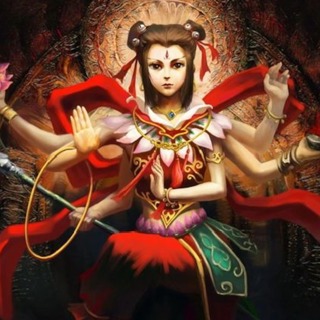
哪吒 Né zhā Name, a hero fictional figure in Chinese mythology 闹 nào verb, to start a chaos 龙王 lóngwáng noun, dragon king 父子 fùzǐ noun phrase, father and son 称霸一方 chēngbàyìfāng Chengyu, to play the tyra...

11 Tammi 201727min

2.2.20A 故事《哪吒闹海》

2.2.20A 故事《哪吒闹海》

Nezha is a famous fictional figure in Chinese mythology stories. As a kid hero, he rewards the right and punishes the wrong. In this chapter, the story tells Nezha fighting with the evil power in the ...

11 Tammi 20173min
2.2.19B 故事解读《卧薪尝胆》

2.2.19B 故事解读《卧薪尝胆》

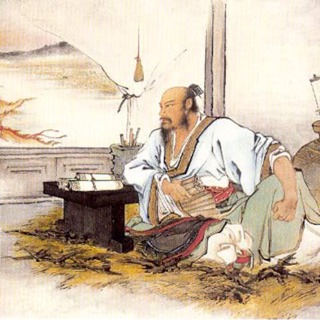
卧 wò verb, to lie down 薪 xīn noun, fire woods 尝 cháng verb, to taste 胆 dǎn noun, gallbladder 长江 chángjiāng noun, the Yangtze River 下游 xiàyóu noun phrase, downstream 征服 zhēngfú verb, to conquer 对方 duìf...

5 Tammi 201724min

2.2.19A 故事《卧薪尝胆》

2.2.19A 故事《卧薪尝胆》

The King of Yue did not give up after losing to Wu in the war of Kuaiji. Instead, he restarted his life with his wife as the slaves for the King in Wu and at the same time accumulated their strengths....

5 Tammi 20173min
1.3.22B 故事解读《郑人买履》

1.3.22B 故事解读《郑人买履》

郑 Zhèng noun, name of a country in Chunqiu era 履 lǚ noun, ancient Chinese word for "shoe(s)" 先 xiān adverb, firstly 量 liáng verb, to measure 尺码 chǐmǎ noun, size (for shoes and tailoring of clothes) 忘记...

4 Tammi 201714min

1.3.22A 故事《郑人买履》

1.3.22A 故事《郑人买履》

This ancient dude who lived during Chunqiu era(BC 770-476) chose to run back home to fetch the number of his feet size in order to purchase a new pair of shoes for himself, rather than to try shoes on...

4 Tammi 20172min

Suosittua kategoriassa Koulutus

rss-murhan-anatomia
psykopodiaa-podcast
voi-hyvin-meditaatiot-2
adhd-podi
rss-liian-kuuma-peruna
rss-rahamania
rss-valo-minussa-2
rss-vapaudu-voimaasi
kesken
psykologia
ihminen-tavattavissa-tommy-hellsten-instituutti
rss-laadukasta-ensihoitoa
rss-narsisti
rss-arkea-ja-aurinkoa-podcast-espanjasta
rss-luonnollinen-synnytys-podcast
rss-tietoinen-yhteys-podcast-2
ensihoidon-ja-pelastustyoncast
rss-keskeneraiset-aidit
rss-duodecim-lehti
rss-naiseuden-helmoissa-tiipiituokioita-marikan-kanssa