Hurricane News: FEMA Borrows $2 Billion for Helene & Milton, Florida Fallen Tree Act, Hurricane Hunters
Meteorology Matters25 Maalis 2025

Hurricane News: FEMA Borrows $2 Billion for Helene & Milton, Florida Fallen Tree Act, Hurricane Hunters

1. Why is FEMA borrowing money in early 2025?

FEMA is borrowing $2 billion from the U.S. Treasury to cover the surge in flood claims primarily from Hurricane Helene and Hurricane Milton in 2024, along with other flooding events from the previous year. The National Flood Insurance Program (NFIP), administered by FEMA, anticipates paying out over $10 billion in flood claims related to these events. The NFIP's funds, which are generated from premiums, have been depleted due to the multiple catastrophic events occurring in a single year, exceeding its designed capacity.

2. What were the impacts of Hurricanes Helene and Milton that led to such high flood claim payouts?

Hurricane Helene, which made landfall in Florida as a Category 4 storm in late September 2024, caused widespread and devastating flooding, particularly in Southeast states like Georgia, North Carolina, and South Carolina due to record rainfall. As of early February 2025, over 57,400 flood claims related to Helene had been handled, with over $4.5 billion paid out and estimated total losses ranging from $6.4 billion to $7.4 billion. Hurricane Milton, while considered more of a wind event when it struck Florida in October 2024, still resulted in significant flood claims, with over $740 million paid out on over 21,100 claims by early February, and estimated final losses ranging from $1.2 billion to $2.9 billion.

3. What is the current financial state of the National Flood Insurance Program (NFIP)?

As of January 25, 2025, the NFIP had only $615 million on hand to pay claims, according to the Congressional Research Service. Its debt to the U.S. Treasury has reached approximately $22.5 billion. FEMA has the authority to borrow up to $30.4 billion, and it was already carrying a debt of $20.5 billion from previous major hurricanes like Katrina, Sandy, and Harvey. The NFIP funds its operations and repays its debt and accruing interest through the premiums it collects from flood insurance policies.

4. How might proposed changes like Florida's 'Fallen Tree Act' affect homeowners and insurance?

Florida's proposed 'Fallen Tree Act' aims to shift the responsibility for damage caused by a fallen tree to the property owner from where the tree originated, rather than the property where it falls, which is the current law. While this could provide relief to homeowners whose property is damaged by a neighbor's tree, it raises concerns, particularly regarding damage from major storms or "Acts of God," as the bill does not specify responsibility in such events. Currently, homeowners typically file a claim with their own insurance for such damage and cover the deductible, potentially leading to increased insurance rates. The proposed change could shift the burden and associated costs to the neighbor's insurance, but the lack of clarity on storm-related incidents remains a significant issue in a hurricane-prone state like Florida.

5. Why are organizations like NOAA and the National Weather Service (NWS) considered so valuable?

NOAA and the NWS provide crucial services like weather and ocean observations and forecasts, which have an enormous return on investment for taxpayers. For a relatively low annual cost per citizen, they contribute to improved citizen preparedness, transportation efficiency and safety, private sector profits, disaster prevention and mitigation, and scientific research innovation. Their partnerships with emergency management communities have shifted responses from reactive to proactive. Significant improvements in forecasting, especially for hurricanes and tornadoes, have dramatically reduced casualties compared to past decades when warnings were less accurate or non-existent. The private sector also heavily relies on NOAA data and services, generating tax revenue that reportedly covers the NWS's entire cost.

Tämä jakso on lisätty Podme-palveluun avoimen RSS-syötteen kautta eikä se ole Podmen omaa tuotantoa. Siksi jakso saattaa sisältää mainontaa.

Jaksot(249)

10 Times Weather Changed the Course of History

10 Times Weather Changed the Course of History

History is often told through kings, presidents, generals, and revolutions—but what if the atmosphere was quietly shaping those decisions all along?In this episode of Meteorology Matters, we explore t...

4 Elo 24min
Flash Floods: Why They Turn Deadly in Minutes

Flash Floods: Why They Turn Deadly in Minutes

Flash floods can happen almost anywhere from New York City subways and the rivers of Central Texas to mountain villages in Italy, the streets of China, and communities across Europe, Asia, and Africa....

23 Heinä 49min
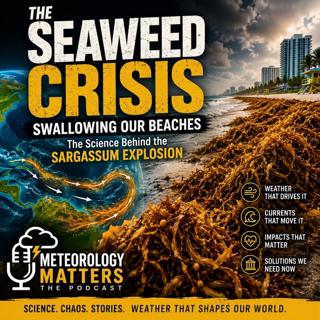
The Seaweed Crisis Swallowing Our Beaches | The Science Behind the Sargassum Explosion

The Seaweed Crisis Swallowing Our Beaches | The Science Behind the Sargassum Explosion

Why are beaches across Florida, the Caribbean, Mexico, and parts of the Gulf Coast being buried under mountains of seaweed and why has it become one of the fastest-growing environmental and economic c...

21 Heinä 44min
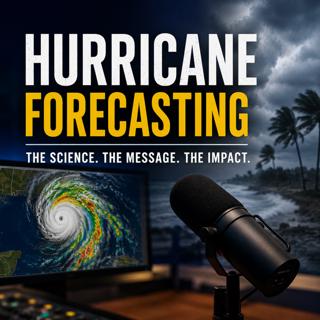
    The Hurricane Forecast Is Only Half the Story

The Hurricane Forecast Is Only Half the Story

A hurricane forecast is only valuable if people understand it, trust it, and know how to act on it.In this episode of Meteorology Matters, meteorologist Rob Jones’ production explores why effective hu...

16 Heinä 43min
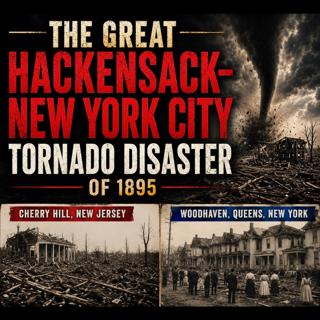
The Great Hackensack–New York City Tornado Disaster of 1895

The Great Hackensack–New York City Tornado Disaster of 1895

In July 1895, one of the most remarkable and least remembered tornado disasters in the history of the New York metropolitan area struck without warning. Historic Cherry Hill near modern day Hackensack...

14 Heinä 38min
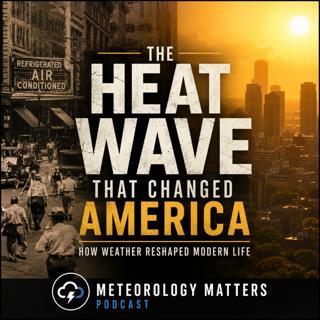
The Heat Wave That Changed America: How Weather Reshaped Modern Life

The Heat Wave That Changed America: How Weather Reshaped Modern Life

What if one weather event quietly transformed an entire nation?The deadly heat wave of 1936 was far more than a record-breaking summer. It changed how Americans dressed, where they lived, how building...

13 Heinä 34min
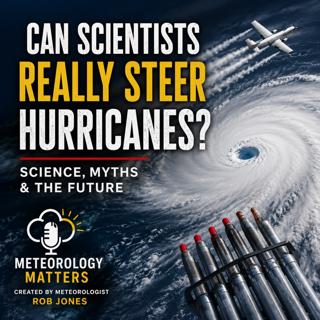
Can Scientists Really Steer Hurricanes?

Can Scientists Really Steer Hurricanes?

Can scientists really change the path of a hurricane or is that still science fiction?This episode explores one of the most fascinating questions in atmospheric science: whether humans could ever infl...

8 Heinä 36min
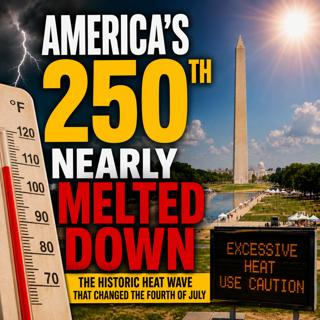
America’s 250th Nearly Melted Down: The Historic Heat Wave That Changed the Fourth of July

America’s 250th Nearly Melted Down: The Historic Heat Wave That Changed the Fourth of July

America’s 250th birthday celebration was supposed to be one of the biggest events in the nation’s history. Instead, record-breaking heat, dangerous thunderstorms, emergency evacuations, and severe wea...

5 Heinä 44min

Suosittua kategoriassa Politiikka ja uutiset

aikalisa
politiikan-puskaradio
rss-ootsa-kuullut-tasta
uutiscast
ootsa-kuullut-tasta-2
rss-seksicast
rss-podme-livebox
rss-vaalirankkurit-podcast
otetaan-yhdet
tervo-halme
aihe
rss-pinnalla
rss-girls-finish-f1rst
rss-asiastudio
rss-kuka-mina-olen
lotta-paakkunainen
politbyroo
eevan-politiikkapodi-totuuksia-suomesta
et-sa-noin-voi-sanoo-esittaa
rikosmyytit