SpaceX Rocket Dumps Fuel in Swirl: What’s the Environmental Cost?
Meteorology Matters27 Maalis 2025

SpaceX Rocket Dumps Fuel in Swirl: What’s the Environmental Cost?

Environmental Concerns of Increased Space Activity

Q1: What are the primary pollutants released by rocket launches and re-entering satellites, and how might they harm the atmosphere?

Rockets that burn fossil fuels, particularly kerosene, release soot (black carbon) directly into the stratosphere. This soot absorbs heat, potentially increasing temperatures in the upper atmosphere and affecting global circulation patterns. It also has the potential to deplete the ozone layer, which protects Earth from harmful ultraviolet (UV) radiation. Re-entering satellites burn up in the atmosphere, producing metallic ashes, particularly aluminum oxides, which can also accumulate in the mesosphere and stratosphere. Studies suggest that increased aluminum oxide concentrations could significantly deplete the ozone layer and cause temperature anomalies in the stratosphere.

Q2: How does pollution from space activities differ from ground-based pollution, and why is high-altitude pollution a concern?

Unlike ground-based pollution, which is largely confined to the lower atmosphere (troposphere), rocket exhaust and satellite debris are deposited in the middle and upper layers of the atmosphere, including the stratosphere and mesosphere. These higher altitudes are typically pristine and experience very little mixing with the lower atmosphere. Pollution at these levels can persist for much longer periods – potentially hundreds of years for metallic particles from satellites – and our understanding of its long-term consequences is limited. The higher the altitude of the pollution, the longer it remains and the more time it has to cause harm.

Q3: What evidence suggests that current and projected levels of space activity could negatively impact the ozone layer?

Multiple studies indicate a potential for ozone depletion due to increased space activity. Modeling of increased black carbon emissions from rocket launches suggests significant ozone reductions, particularly in the Northern Hemisphere. Similarly, research indicates that the projected increase in aluminum oxides from re-entering satellites could lead to "potentially significant" ozone depletion. These reductions in ozone could increase the amount of harmful UV radiation reaching the Earth's surface, posing risks to human health and ecosystems.

Q4: Beyond ozone depletion, what other environmental consequences are scientists concerned about regarding increased rocket launches and satellite re-entry?

Scientists are concerned that soot and metallic particles in the stratosphere could alter the Earth's thermal balance, potentially leading to temperature anomalies and changes in atmospheric circulation patterns, such as the slowing of subtropical jet streams. Some researchers also suggest that the accumulation of metallic ash in the stratosphere could interfere with Earth's magnetic field, potentially weakening it and allowing more harmful cosmic radiation to reach the planet's surface. Additionally, the impact of falling rocket debris on marine environments remains largely unknown.

Q5: What are the environmental risks associated with rocket launch sites and launch failures on the ground?

Rocket launches, particularly of large rockets like SpaceX's Starship, can cause significant local environmental damage. The force of liftoff can destroy launchpads and eject debris, including sand, soil, metal, and concrete, over considerable distances, impacting nearby conservation areas and wildlife habitats. Rocket explosions release pollutants into the air and can potentially cause fires.

Tämä jakso on lisätty Podme-palveluun avoimen RSS-syötteen kautta eikä se ole Podmen omaa tuotantoa. Siksi jakso saattaa sisältää mainontaa.

Jaksot(248)

Flash Floods: Why They Turn Deadly in Minutes

Flash Floods: Why They Turn Deadly in Minutes

Flash floods can happen almost anywhere from New York City subways and the rivers of Central Texas to mountain villages in Italy, the streets of China, and communities across Europe, Asia, and Africa....

23 Heinä 49min
The Seaweed Crisis Swallowing Our Beaches | The Science Behind the Sargassum Explosion

The Seaweed Crisis Swallowing Our Beaches | The Science Behind the Sargassum Explosion

Why are beaches across Florida, the Caribbean, Mexico, and parts of the Gulf Coast being buried under mountains of seaweed and why has it become one of the fastest-growing environmental and economic c...

21 Heinä 44min
    The Hurricane Forecast Is Only Half the Story

The Hurricane Forecast Is Only Half the Story

A hurricane forecast is only valuable if people understand it, trust it, and know how to act on it.In this episode of Meteorology Matters, meteorologist Rob Jones’ production explores why effective hu...

16 Heinä 43min
The Great Hackensack–New York City Tornado Disaster of 1895

The Great Hackensack–New York City Tornado Disaster of 1895

In July 1895, one of the most remarkable and least remembered tornado disasters in the history of the New York metropolitan area struck without warning. Historic Cherry Hill near modern day Hackensack...

14 Heinä 38min
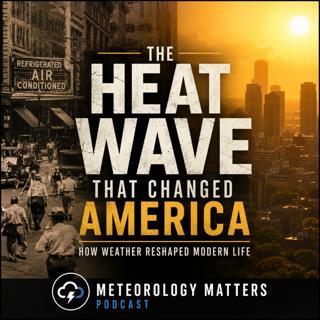
The Heat Wave That Changed America: How Weather Reshaped Modern Life

The Heat Wave That Changed America: How Weather Reshaped Modern Life

What if one weather event quietly transformed an entire nation?The deadly heat wave of 1936 was far more than a record-breaking summer. It changed how Americans dressed, where they lived, how building...

13 Heinä 34min
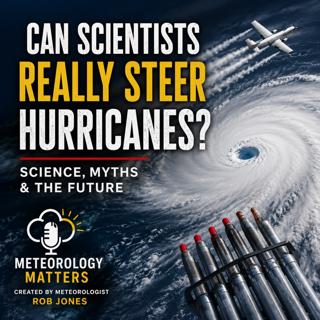
Can Scientists Really Steer Hurricanes?

Can Scientists Really Steer Hurricanes?

Can scientists really change the path of a hurricane or is that still science fiction?This episode explores one of the most fascinating questions in atmospheric science: whether humans could ever infl...

8 Heinä 36min
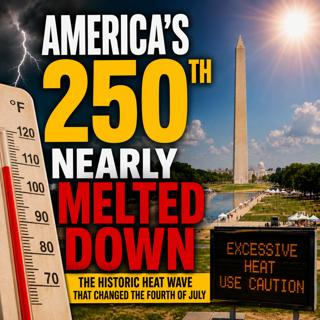
America’s 250th Nearly Melted Down: The Historic Heat Wave That Changed the Fourth of July

America’s 250th Nearly Melted Down: The Historic Heat Wave That Changed the Fourth of July

America’s 250th birthday celebration was supposed to be one of the biggest events in the nation’s history. Instead, record-breaking heat, dangerous thunderstorms, emergency evacuations, and severe wea...

5 Heinä 44min
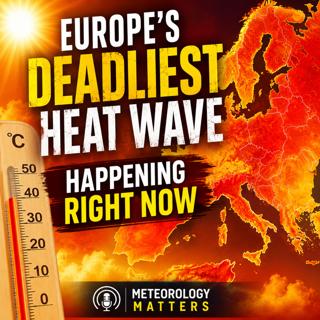
Europe’s Deadliest Weather Disaster Is Happening Right Now

Europe’s Deadliest Weather Disaster Is Happening Right Now

A powerful early-season heat dome is pushing temperatures above 40°C across parts of Europe, threatening records from Spain and France to the United Kingdom. In this episode of Meteorology Matters, me...

24 Kesä 53min

Suosittua kategoriassa Politiikka ja uutiset

aikalisa
politiikan-puskaradio
rss-ootsa-kuullut-tasta
uutiscast
ootsa-kuullut-tasta-2
rss-seksicast
rss-podme-livebox
rss-vaalirankkurit-podcast
otetaan-yhdet
tervo-halme
aihe
rss-pinnalla
rss-girls-finish-f1rst
rss-asiastudio
rss-kuka-mina-olen
lotta-paakkunainen
politbyroo
eevan-politiikkapodi-totuuksia-suomesta
et-sa-noin-voi-sanoo-esittaa
rikosmyytit