What Happens in the Soil When We Reduce Tillage?
Soil Sense1 Helmi 2021

What Happens in the Soil When We Reduce Tillage?

The DIRT Workshop was held virtually this past December. Because the event was held virtually we were able to gain access to some great speakers and panelists that inspired very important discussion. The result is some of the best information out there about soil health, all concentrated in one event. We have recorded some outstanding audio from that event that I think will be tremendously valuable to include in this podcast. Today’s episode focuses on tillage. You’ll hear from:

  • Anthony Bly, a South Dakota State University Soils Field Specialist and farmer who went full no till back in 1992 about some of the changes he’s seen both on his farm and others.
  • Dr. Aaron Daigh, a soil physicist with North Dakota State University about what’s physically happening to the soil when it is tilled and what changes if we stop.
  • Dr. Caley Gasch, a soil ecologist with North Dakota State University, who will share about what happens with soil biology when we reduce tillage.

“That’s the age old question that we’ve heard for many years as well, “I can’t do that here”.......I know because I’ve seen it that these practices will work with about any soil situation but it takes adherence to the soil health principles.” - Anthony Bly

Anthony goes on to share examples of different soil types that have found success in the soil health principles including his own. He explains his experience with making the adjustment on his own operation and the journey he has seen including “the soil is just stronger.” He shares that farmers are concerned that it may be too hard for a crop to grow but it provides the support, soil biology and water filtration that benefit the crops greatly.

“We have research that shows it can be done and what the constraints are when you change to a new system. We work to try to figure out how do we get past some of those restraints but there’s plenty of folks around….that are doing it right now and have been doing it for quite some time and quite successfully.” - Dr. Aaron Daigh

Dr. Daigh suggests that it took time for the technology to catch up with the no till practice and we are there now. He does allow that there are many variables from one operation to the next which will form the expectations that are possible on what timeline in different areas. The overall goal of increased production with decreased inputs is possible with adjustments for each individual type of soil. Ultimately preserving the aggregates and structure of the soil allows for better water and air penetration which leads to better availability for the crops. “Tilling for the purpose of drying the soil, you might get a wee bit of drying there but you’re working backwards on your drainage.”

“The natural tendency of a soil is to develop that beautiful structure and host so much biological activity that can translate to producing a healthier crop.” - Dr. Caley Gasch

After reducing tillage Dr. Gasch recommends cover crops to improve soil quality. “Plants are the foundation of the soil food web…..and so having growing plants is the next most important thing after you reduce your tillage.” As a soil ecologist Dr. Gasch focuses her efforts on the changes in soil biology with decreased tillage and use of cover crops. She suggests feeding your soils with organic material such as residue or manure. She does not feel microbial testing is necessary for each producer, rather, monitoring for symptoms of biological activity is sufficient.


Connect with Soil Sense:

Soil Sense Podcast is hosted by Tim Hammerich of the Future of Agriculture Podcast.

Tämä jakso on lisätty Podme-palveluun avoimen RSS-syötteen kautta eikä se ole Podmen omaa tuotantoa. Siksi jakso saattaa sisältää mainontaa.

Jaksot(150)

Advancing Regenerative Practices in Ukraine

Advancing Regenerative Practices in Ukraine

Fertile soil is something Ukraine has always been known for. But wind and water erosion are causing a soil loss of approximately 15 tons per hectare every year. Today we’re joined by Oleksandr, a farm...

11 Elo 202536min
Precision Agriculture For Soil Health In Argentina

Precision Agriculture For Soil Health In Argentina

Soil health on a large scale, can really be enhanced through data and digital tools. It’s pretty incredible to hear how that is being applied to farms like the one you’re going to hear from today in A...

30 Heinä 202532min
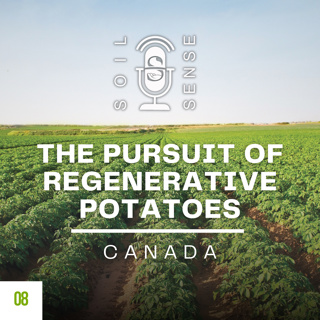
The Pursuit of Regenerative Potatoes in Canada

The Pursuit of Regenerative Potatoes in Canada

Farmers and agronomists have a lot on their plate just to produce a profitable crop every year. So what happens when their buyers start requesting they also change practices to move in a more regenera...

15 Heinä 202532min
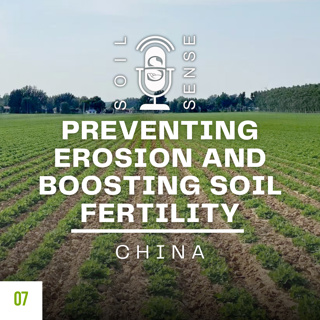
Preventing Erosion and Boosting Fertility in China

Preventing Erosion and Boosting Fertility in China

In order for soil health to go from words and ideas to actions and outcomes, there needs to be support at the farm level - whether that’s a corn farmer in the U.S. or a peanut farmer in rural Northeas...

3 Heinä 202532min
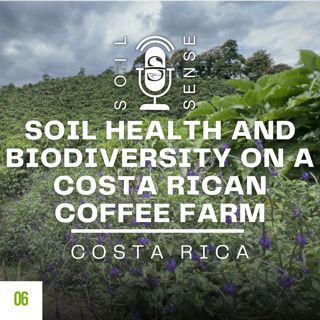
Soil Health and Biodiversity on a Costa Rican Coffee Farm

Soil Health and Biodiversity on a Costa Rican Coffee Farm

Costa Rica is home to an incredible amount of natural biodiversity. But it’s also an ideal spot to grow some of the world’s favorite crops, like coffee. How can farmers conserve biodiversity while sti...

17 Kesä 202535min
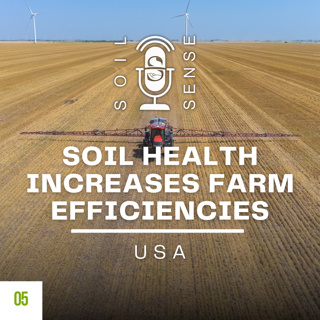
Soil Health Increases Farm Efficiencies in the USA

Soil Health Increases Farm Efficiencies in the USA

Oftentimes soil health practices may be thought of as “one more thing” to incorporate on the farm. But in this episode, producer Matt tells us that it would be very difficult for him to farm as much l...

3 Kesä 202533min
Keeping People at the Center of Soil Health in India

Keeping People at the Center of Soil Health in India

Despite a lot of exciting momentum behind regenerative agriculture, it remains necessary that that enthusiasm reaches farmers and leads to real outcomes. But how does that information get shared in a ...

20 Touko 202529min
Collaborating on Biodiversity and Technology in Germany

Collaborating on Biodiversity and Technology in Germany

For a long time, Europe has had very high standards for environmental sustainability and is really concerned about biodiversity. So how does a multi-generational family farm accommodate these interest...

5 Touko 202533min

Suosittua kategoriassa Tiede

rss-poliisin-mieli
rss-mita-tulisi-tietaa
tiedekulma-podcast
rss-tiedetta-vai-tarinaa
docemilia
rss-duodecim-lehti
rss-lapsuuden-rakentajat-podcast
hippokrateen-vastaanotolla
rss-hereilla
rss-ranskaa-raakana
rss-bios-podcast
utelias-mieli
filocast-filosofian-perusteet
radio-antro