A caterpillar that haunts spiderwebs, solving the last riddles of a famed friar, and a new book series

A caterpillar that haunts spiderwebs, solving the last riddles of a famed friar, and a new book series

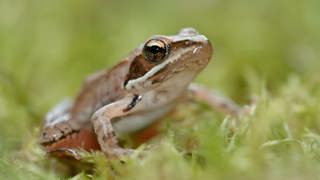
First up on the podcast, bringing Gregor Mendel’s peas into the 21st century. Back in the 19th century Mendel, a friar and naturalist, tracked traits in peas such as flower color and shape over many generations. He used these observations to identify basic concepts about inheritance such as recessive and dominant traits. Staff Writer Erik Stokstad talks with host Sarah Crespi about the difficulty of identifying genes for these phenotypes all these years later. We also hear some other stories from the plant world, including evidence that wavy fields are more attractive to insects and a tree benefits from being struck by lightning. Next on the show, a carnivorous caterpillar that haunts spiderwebs, camouflaged in its insect prey’s body parts. Producer Kevin McLean talks with Daniel Rubinoff, a professor in the department of plant and environmental protection sciences at the University of Hawaii at Manoa, about how such an adaptation might have evolved and the overlooked importance of insect conservation. Finally, we kick off our 2025 books series on the science of death and dying. Books host Angela Saini and books editor Valerie Thompson talk about the challenges of putting this year’s list together and the reads they are looking forward to. This week’s episode was produced with help from Podigy. About the Science Podcast Authors: Sarah Crespi; Erik Stokstad; Kevin McLean; Valerie Thompson; Angela Saini Learn more about your ad choices. Visit megaphone.fm/adchoices

Tämä jakso on lisätty Podme-palveluun avoimen RSS-syötteen kautta eikä se ole Podmen omaa tuotantoa. Siksi jakso saattaa sisältää mainontaa.

Jaksot(649)

How Antarctica got its ice sheets, and what happens when geopolitical relationships turn chilly in the Arctic

How Antarctica got its ice sheets, and what happens when geopolitical relationships turn chilly in the Arctic

First up on the podcast, relationships turn chilly in the polar research haven of Svalbard in Norway. Senior International Correspondent Richard Stone joins host Sarah Crespi to discuss the impacts of...

2 Heinä 32min

Cracking color vision, U.S. science policy changes, and a trailblazing biography

Cracking color vision, U.S. science policy changes, and a trailblazing biography

First up on the podcast, ScienceInsider editor Jocelyn Kaiser joins host Sarah Crespi to discuss big policy stories from the past month, including a proposal from President Donald Trump’s administrati...

25 Kesä 45min

An electronic nose that detects spoiled chicken, and wolves make a spectacular comeback in Europe

An electronic nose that detects spoiled chicken, and wolves make a spectacular comeback in Europe

First up on the podcast, wrangling wolves in Europe. After near extermination in much of the continent, wolf numbers have surged up to about 20,000 individuals. Contributing Correspondent Gretchen Vog...

18 Kesä 46min

How childhood environments shape the brain, and how susceptible is the Atlantic Ocean’s current to climate change?

How childhood environments shape the brain, and how susceptible is the Atlantic Ocean’s current to climate change?

First up on the podcast, producer Kevin McLean talks with Staff Writer Paul Voosen about the latest on the Atlantic Meridional Overturning Circulation, or AMOC. Researchers have long been concerned th...

11 Kesä 31min

Will AI replace astronomers, how healthy are ultraprocessed foods, and a peek behind the scenes of ‘The Normals’

Will AI replace astronomers, how healthy are ultraprocessed foods, and a peek behind the scenes of ‘The Normals’

First up on the podcast, freelance science journalist Joshua Sokol talks about the intense discussion happening in the astrophysics community as artificial intelligence and machine learning become inc...

4 Kesä 50min

Disembodied human brains, immortal bits of sea cucumber, and fame in Galileo’s time

Disembodied human brains, immortal bits of sea cucumber, and fame in Galileo’s time

First up on the podcast, a company is using whole brains—maintained with specialized life support—to study new drugs. Freelance science journalist Sara Reardon joins host Sarah Crespi to talk about th...

28 Touko 45min

USAID cuts linked to violence, unexpected parallels between humans and bacteria, and how to rule the world

USAID cuts linked to violence, unexpected parallels between humans and bacteria, and how to rule the world

First up on the podcast, Senior International Correspondent Richard Stone joins host Sarah Crespi to discuss the surprising commonalities between our immune systems and the tools bacteria use to defen...

21 Touko 41min

Fighting deepfakes, and using bacteria to deliver medicine inside the body

Fighting deepfakes, and using bacteria to deliver medicine inside the body

First up on the podcast, Meagan Cantwell produced a segment with Contributing Correspondent Kai Kupferschmidt on the fight against deepfakes. Kupferschmidt talks with Hany Farid, professor at the Univ...

14 Touko 31min

Suosittua kategoriassa Politiikka ja uutiset

aikalisa
uutiscast
ootsa-kuullut-tasta-2
rss-ootsa-kuullut-tasta
rss-podme-livebox
rss-vaalirankkurit-podcast
tervo-halme
otetaan-yhdet
aihe
politiikan-puskaradio
rss-kaikki-uusiksi
rss-girls-finish-f1rst
the-ulkopolitist
et-sa-noin-voi-sanoo-esittaa
rss-mina-ukkola
rss-aijat-hopottaa-podcast
rss-kovin-paikka
rss-asiastudio
rss-ulkopoditiikkaa
rss-seksicast