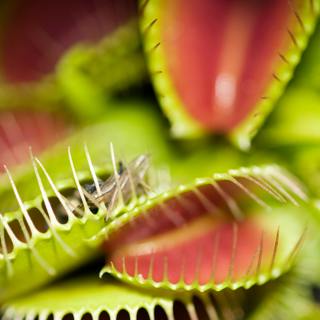
Why leaves are one of nature’s most versatile creations
From the neatly curated English country garden to the wild jungles of the Amazon, the Earth is host to a staggeringly diverse range of plant life. One of the key reasons for the great evolutionary suc...
11 Loka 35min
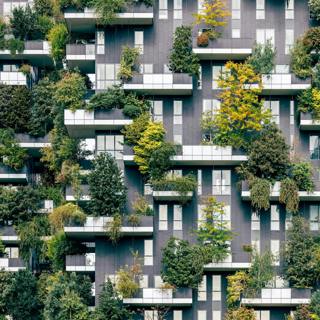
How to make buildings without harming the Earth
Every built environment we spend our time in, our homes, offices, music venues or sports stadiums – is designed and constructed after hours of consideration about form and function. Oftentimes, less c...
8 Loka 32min

Why humans are wired to appreciate beauty
A late summer sunset, a peaceful, verdant forest, or a Shakespearean sonnet – these are all things that move us emotionally thanks to what we perceive as their beauty. But why is this so, why do envir...
4 Loka 38min

How safety engineers test everyday products to destruction
Whenever we buy a new product or use a service, we simply expect it to work as advertised, usually without giving much thought to how it came to being in the first place. However, behind the scenes, e...
1 Loka 40min

Why we need to be taking asthma more seriously
Currently, around one in ten of us are living with asthma. For many, the symptoms can be relatively mild, but for others, attacks can be severe, debilitating, and even life-threatening. For the most p...
27 Syys 25min

What our evolutionary history can teach us about eating well
These days, supermarket shelves are filled with thousands of different products all vying for our attention; the options are almost endless. However, if we look back in time, we find that our early an...
24 Syys 34min

Why Smell is Our Most Overlooked Sense
Though often thought of as the poor cousin to our other senses, our sense of smell has played a key role in human life since its very beginnings. It helps us to determine whether certain foods are saf...
20 Syys 26min

Are We Living in a Simulation? How to Tell If Reality Is Fake
The possibility that we may be living in a simulation created by a more technologically advanced civilisation has occupied the minds of scientists, philosophers and fiction writers for decades. We may...
17 Syys 36min