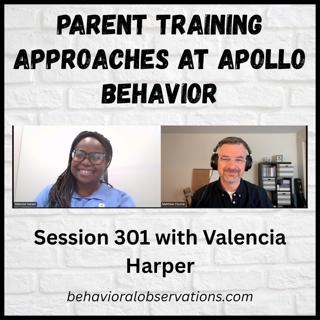
Supporting Parents in ABA Services with Valencia Harper from Apollo Behavior: Session 301

Supporting Parents in ABA Services with Valencia Harper from Apollo Behavior: Session 301

When it comes to Applied Behavior Analysis (ABA), much of the focus is often placed on data collection, program goals, and measurable outcomes for the child. But what about the parents? Supporting caregivers is a critical, and sometimes overlooked, component of effective ABA services. In a recent podcast episode, I had the pleasure of sitting down with Valencia Harper, a seasoned clinician from Apollo Behavior, to talk about her thoughtful approach to working with families.

Long-time listeners may remember Valencia from our Apollo Case Study Series, where she and her colleagues discussed mentoring new practitioners. This time around, we shifted gears to focus on her insights into caregiver collaboration—and the conversation did not disappoint.

From Smoothies to Strategy: Valencia's Journey

Valencia opened up about her own career beginnings, including a memorable (and messy) first day involving a smoothie spill. That moment, though humbling, marked the start of a journey that led her to become the confident and effective BCBA she is today.

Through years of experience, she has developed a deep appreciation for the unique challenges parents face—and a toolkit for meeting them with empathy, clarity, and respect.

What Parents Really Need from ABA Providers

Throughout the episode, Valencia shared key insights into how BCBAs can better support the families they serve. Here are a few highlights from our discussion:

1. Listening Builds Rapport

Rather than jumping into solutions, Valencia emphasizes the power of active listening. Parents often come to the table with a wealth of experience and emotion. Taking time to truly hear them builds trust and sets the tone for collaboration.

2. BCBAs Don't Have to Know Everything

It can be tempting to feel like we have to have all the answers. But Valencia reminds us that being transparent about what we don't know—while showing a commitment to learning—can strengthen relationships rather than weaken them.

3. Prioritize Parental Concerns

Instead of sticking strictly to what the data says, Valencia encourages clinicians to take parent priorities seriously. If bedtime battles or sibling conflicts are top of mind for the family, addressing those concerns can lead to more engagement and faster progress.

4. Clarify ABA Jargon

Parents may struggle with technical terms or misunderstand the purpose of certain procedures. Valencia discusses how breaking things down into digestible language helps reduce frustration and builds empowerment.

5. Combat Learned Helplessness

Some caregivers come into services feeling defeated or disconnected. Valencia talks about how to gently challenge that mindset and offer small, achievable strategies that rebuild parental confidence.

6. Teach How to Set Limits

Supporting families doesn't stop with behavior plans. Valencia shares tips for coaching parents on how to set clear, developmentally appropriate limits without escalating the situation.

7. Responding to "We've Already Tried That"

This common phrase can be frustrating for clinicians, but Valencia reframes it as an opportunity to validate parents' experiences and reintroduce strategies with better context or support.

Inside Apollo's Approach to Caregiver Training

Valencia also gave us a behind-the-scenes look at how Apollo Behavior structures its caregiver support. From structured training sessions to informal check-ins, their model integrates parent collaboration as a core component of service delivery—not an afterthought.

Resources Mentioned in the Episode

If you're looking to dive deeper into the themes we discussed, here are a few recommended reads and links from the show:

This podcast is brought to you by:
  • Frontera. Consider taking a demo of Frontera's Assessment Builder and see how the ethical application of AI technologies can help you serve clients and save you time! Your first assessment report is free. And if you use code BOP25 you'll get an additional five assessments for just $100. So head to fronterahealth.com to check it out!
  • CEUs from Behavioral Observations. Learn from your favorite podcast guests while you're commuting, walking the dog, or whatever else you do while listening to podcasts. New events are being added all the time, so check them out here.
  • The Behavioral Toolbox. Check out our courses for school-based and other behavioral professionals, including our newest one, Motivational Interviewing: Getting Educator Buy-In.

Jaksot(326)

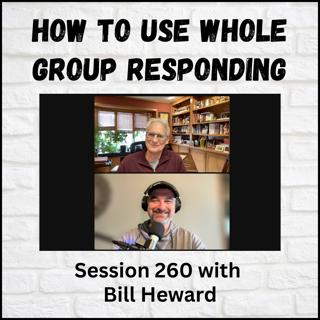
How to Use Whole Group Responding: Session 260 with Bill Heward

How to Use Whole Group Responding: Session 260 with Bill Heward

Dr. Bill Heward was gracious enough to return to the podcast in Session 260. In this episode, we talked about a handful of different topics, including how to respond to criticisms of reinforcement pra...

18 Huhti 20241h 22min
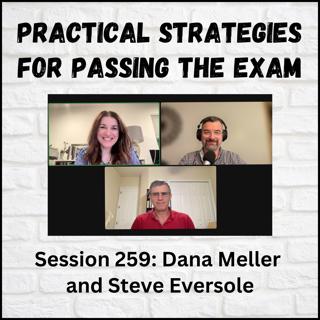
Practical Strategies for Passing the Exam: Session 259 with Dana Meller and Steve Eversole

Practical Strategies for Passing the Exam: Session 259 with Dana Meller and Steve Eversole

If you're a student, supervisor, or university instructor, this is an episode for you. In Session 259, I speak with Dana Meller and Dr. Steve Eversole, of Pass The Big ABA Exam and Behavior Developmen...

5 Huhti 20241h 21min
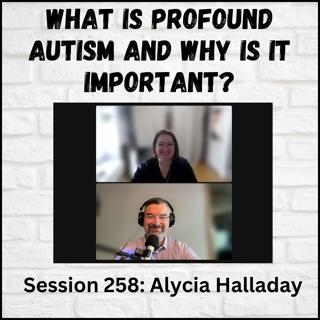
What is Profound Autism, and Why is it Important? Session 258 with Alycia Halladay Session 258

What is Profound Autism, and Why is it Important? Session 258 with Alycia Halladay Session 258

Dr. Alycia Halladay joins we to discuss the topic of Profound Autism. If you're not familiar with Alycia's work, she is the Chief Science Officer for The Autism Science Foundation, and host of the exc...

14 Maalis 202452min
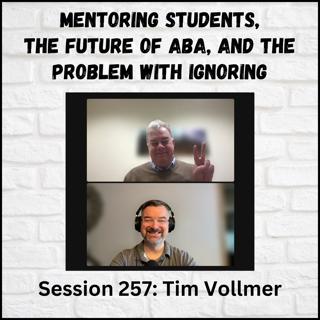
Mentoring Students,  the Future of ABA, and the Problem with Ignoring: Session 257 with Tim Vollmer

Mentoring Students, the Future of ABA, and the Problem with Ignoring: Session 257 with Tim Vollmer

I'm thrilled to be joined by none other than Dr. Tim Vollmer. In this podcast, we talk about a wide variety of research and practice topics, as well as some funny stories from his long and prolific ca...

10 Maalis 20241h 12min
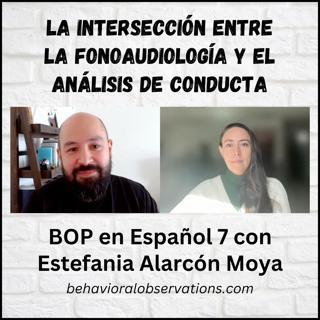
La intersección entre la fonoaudiología y el análisis de conducta: BOP en Español 7 con Estefania Alarcón Moya

La intersección entre la fonoaudiología y el análisis de conducta: BOP en Español 7 con Estefania Alarcón Moya

Las conversaciones acerca del alcance de nuestra práctica y de nuestras competencias son muy comunes hoy en día en nuestra profesión. Los fonoaudiólogos y los analistas de conducta coinciden frecuente...

5 Maalis 20241h 29min
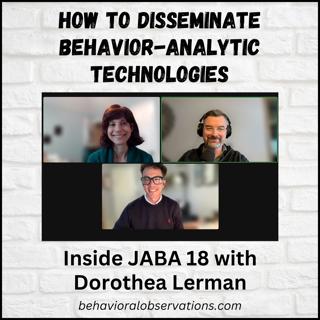
How to Disseminate Behavior-Analytic Technologies: Inside JABA 18

How to Disseminate Behavior-Analytic Technologies: Inside JABA 18

In the 18th installment of the Inside JABA Series, Dr. Dorothea Lerman joins Editor-in-Chief John Borrero and I to talk about her dissemination efforts, which are described in the Winter 2024 issue of...

15 Helmi 202458min
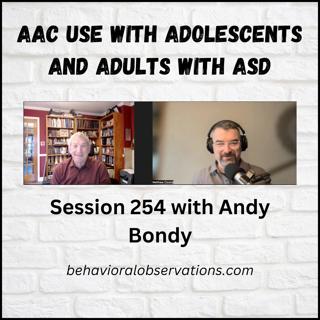
AAC Use with adolescents and adults with ASD: Session 254 with Andy Bondy

AAC Use with adolescents and adults with ASD: Session 254 with Andy Bondy

Fan-favorite Dr. Andy Bondy joins me again to talk about... you guessed it... AAC! In this episode, we discuss a paper he published last year in the journal, Advances in Neurodevelopmental Disorders, ...

1 Helmi 20241h
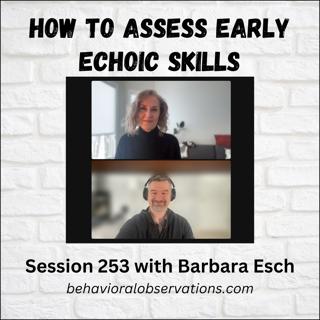
How to Assess Early Echoic Skills: Session 253 with Barbara Esch

How to Assess Early Echoic Skills: Session 253 with Barbara Esch

If you've completed a VB-MAPP at some point in your career, you're familiar with the EESA component of the assessment protocol. In today's podcast, I had the chance to talk with Dr. Barbara Esch, who ...

26 Tammi 202459min

Suosittua kategoriassa Tiede

tiedekulma-podcast
rss-mita-tulisi-tietaa
rss-poliisin-mieli
docemilia
utelias-mieli
radio-antro
filocast-filosofian-perusteet
rss-sosiopodi
ihanat-ipanat
mielipaivakirja
rss-bios-podcast
rss-duodecim-lehti
rss-laakaripodi
rss-radplus
rss-opeklubi
rss-lihavuudesta-podcast