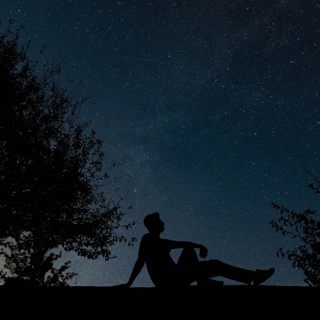
Reconnecting with the Natural World at Night

Reconnecting with the Natural World at Night

It is so easy to come home at the end of a long day, eat supper, and then just sink into the couch to veg out for a bit or keep ourselves busy with household activities that need to be done. I'll be honest, I'm as guilty as the next person of falling into that trap. But nature doesn't just stop when the sun goes down. Instead, a whole new world opens up and comes to life – a world that is just as interesting and fascinating as anything we find during the daytime.

In this week's episode of the Backyard Ecology, I talk with Bill Napper. Bill is a volunteer night naturalist at Bernheim Arboretum, a caver, an author, and much more. At Bernheim, Bill leads night hikes and other night programs that cover a variety of seasonal topics related to the natural world at night. He jokes that he has spent over a decade in the dark. Bill just has a general love of the night and enjoys sharing that passion with others.

During our conversation, Bill and I talk about many different topics. Some of the animals we talk about include crickets and katydids, lightning bugs, the night jars (whip-poor-wills, chuck-wills-widows, poor-wills, and night hawks), moths, and bats. We also talk about the night sky, noise pollution, and light pollution. In addition, Bill offers tips for finding formal night programs that you can participate in, as well as, ways you can enjoy the natural world at night in your own backyard. You really don't have to travel to the middle of nowhere to experience nature's night life. There is likely a lot going on in your own yard.

This was just an easy, fun conversation that touched on lots of different topics related to the natural world at night. We don't dive too deep into any of the topics we discussed. We'll do that in other episodes. Our goal with this episode was simply to remind all of us about how captivating nature's night life can be, and hopefully inspire us to make the time to go outside at night and reconnect with the nocturnal world in our own ways.

Links:

Episode image:

Jaksot(115)

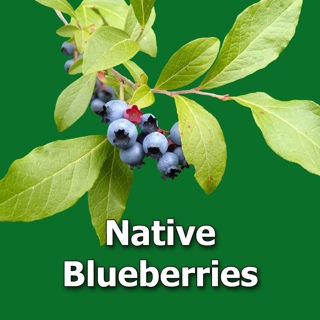
9 Native Blueberries You Can Grow in the Home Landscape

9 Native Blueberries You Can Grow in the Home Landscape

Summary Our native Vacciniums, what we commonly call the blueberries, are keystone plants which support tons of pollinators and wildlife. They also produce yummy berries which we can eat. In this epis...

10 Heinä 202514min
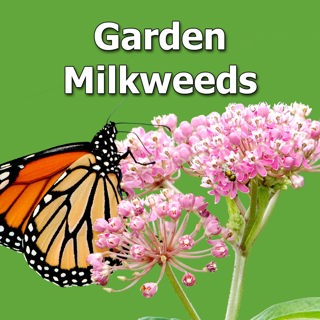
Choose the Best Native Milkweed for Your Eastern U.S. Garden

Choose the Best Native Milkweed for Your Eastern U.S. Garden

Summary Milkweeds are a common component of butterfly and pollinator gardens. Not only are they important for monarch caterpillars, but they are also used by a wide variety of pollinators. There are l...

26 Kesä 202519min
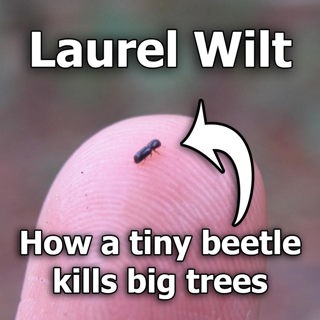
Laurel Wilt: How Tiny Beetles Can Kill Huge Trees

Laurel Wilt: How Tiny Beetles Can Kill Huge Trees

Summary In this episode, we dive deep into Laurel Wilt Disease which is a vascular wilt disease affecting trees in the Lauraceae family, such as sassafras, spicebush, and redbay. We discuss its histor...

12 Kesä 20251h 17min
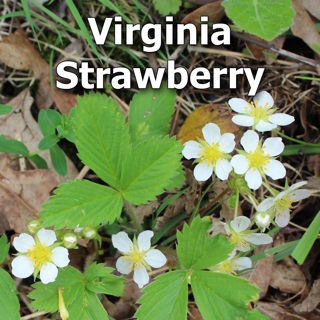
Virginia strawberry: A Beautiful, Tasty, and Underutilized Native Groundcover

Virginia strawberry: A Beautiful, Tasty, and Underutilized Native Groundcover

Summary The Virginia strawberry (Fragaria virginiana) is our most widespread native wild strawberry in the eastern U.S. It supports a wide range of pollinators and wildlife. It can also make an amazin...

29 Touko 20256min
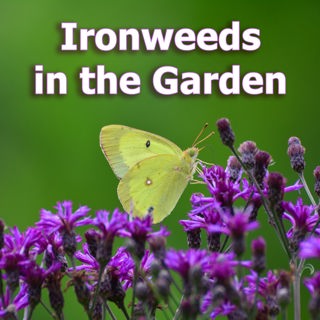
Ironweed's Beauty and Ecological Value in Your Garden: Mt. Cuba's Vernonia Trial

Ironweed's Beauty and Ecological Value in Your Garden: Mt. Cuba's Vernonia Trial

Summary Each fall, the beautiful, rich, purple blooms of ironweeds (Vernonia spp.) grace fields and open areas throughout much of the eastern U.S. They are an ecological powerhouse for pollinators and...

15 Touko 202557min
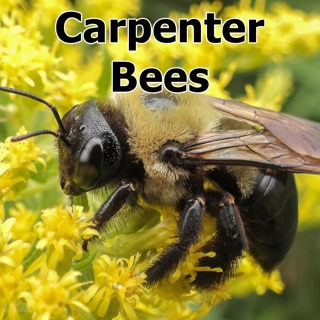
Eastern Carpenter Bees: How to Peacefully Co-exist and Why They Are Important

Eastern Carpenter Bees: How to Peacefully Co-exist and Why They Are Important

Summary While carpenter bees get a bad rap, they are also important pollinators and play a vital role in the ecosystem. Their bad reputation can also sometimes be overblown. So, let's talk a little bi...

1 Touko 202515min
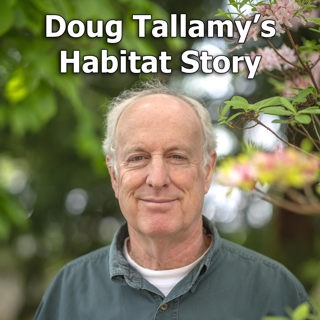
Doug Tallamy's Habitat Restoration Story and How You Can Help Save Nature

Doug Tallamy's Habitat Restoration Story and How You Can Help Save Nature

Summary Dr. Doug Tallamy shares the story of how he and his wife transformed their newly built home located on a former hayfield into a thriving forest ecosystem. We talk about how they got started, t...

17 Huhti 202549min
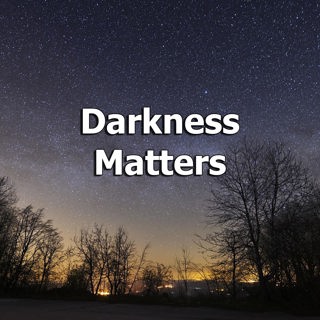
Darkness Matters: Light Pollution's Threats and Simple Ways to Help

Darkness Matters: Light Pollution's Threats and Simple Ways to Help

Summary Darkness is a vital, and often overlooked, component of our ecosystems. Unfortunately, we're losing it to light pollution. Decreasing the light pollution around your home will not only benefit...

3 Huhti 202510min

Suosittua kategoriassa Tiede

tiedekulma-podcast
rss-mita-tulisi-tietaa
rss-poliisin-mieli
utelias-mieli
rss-duodecim-lehti
rss-metsantuntijat-podcast
mielipaivakirja
filocast-filosofian-perusteet
rss-astetta-parempi-elama-podcast
rss-luontopodi-samuel-glassar-tutkii-luonnon-ihmeita
university-of-eastern-finland
docemilia
menologeja-tutkimusmatka-vaihdevuosiin
rss-bios-podcast
rss-tiedetta-vai-tarinaa
rss-ylistys-elaimille
rss-lapsuuden-rakentajat-podcast
rss-sosiopodi
rss-miljonaarien-tasavalta