5 Native Plants that Bloom in the Late Fall

5 Native Plants that Bloom in the Late Fall

One of the most common pieces of advice given related to pollinator gardening is to try and have a constant supply of blooms available throughout the growing season. That's easy in the spring. The summer is a little more challenging than the spring, but is still relatively easy. Even early fall isn't too bad thanks to the goldenrods, ironweeds, and other fall flowers.

It's the shoulder seasons that are the most challenging for providing flowers for pollinators. By shoulder seasons I mean the late winter / early spring and the late fall / early winter. For me, that typically corresponds to February / March and October / November. Your shoulder seasons may occur at slightly different times depending on how far north or south you live and your elevation.

One of the reasons that the shoulder seasons are difficult is because the weather is so crazy at that time. Most flowers just can't take the cold temps, frosts, and freezes that are often associated with the shoulder seasons. However, there are a few native plants that can handle the crazy weather of the shoulder seasons. I'm recording this in October, so I'm going to focus on native plants that bloom in the late fall /early winter shoulder season, or the October / November time period.

On a side note, if the weather is good, many of our goldenrods, white fall asters, thoroughworts, and other fall flowers will bloom well into October. However, most of those flowers will be killed off with the first good frosts. The native plants that I'm focusing on in this episode are the ones that typically don't start blooming until around October and that can survive those first frosts after most of the earlier blooming fall flowers are gone.

To make it easier for you to refer back to particular parts of the podcast, here are the plants and the time I start talking about each:

  • American witch hazel (Hamamelis virginiana): 4:39
  • Short's aster (Symphyotrichum shortii) and Wavy leaf aster (Symphyotrichum undulatum): 8:05
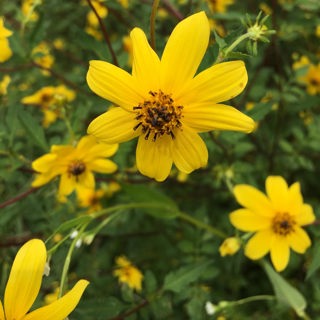
  • Tickseed sunflower (Bidens aristosa): 12:24
  • American mistletoe (Phoradendron leucarpum): 15:03

Links:

Episode image:

Jaksot(115)

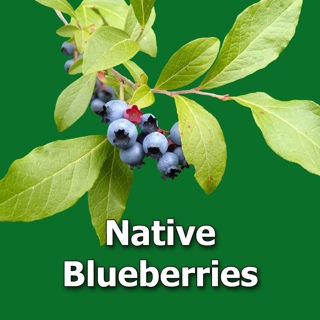
9 Native Blueberries You Can Grow in the Home Landscape

9 Native Blueberries You Can Grow in the Home Landscape

Summary Our native Vacciniums, what we commonly call the blueberries, are keystone plants which support tons of pollinators and wildlife. They also produce yummy berries which we can eat. In this epis...

10 Heinä 202514min
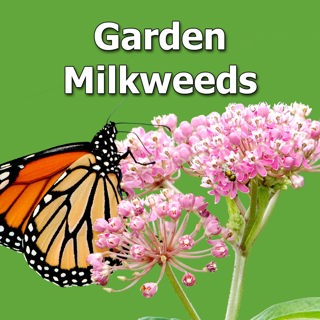
Choose the Best Native Milkweed for Your Eastern U.S. Garden

Choose the Best Native Milkweed for Your Eastern U.S. Garden

Summary Milkweeds are a common component of butterfly and pollinator gardens. Not only are they important for monarch caterpillars, but they are also used by a wide variety of pollinators. There are l...

26 Kesä 202519min
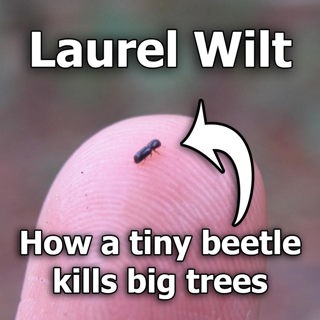
Laurel Wilt: How Tiny Beetles Can Kill Huge Trees

Laurel Wilt: How Tiny Beetles Can Kill Huge Trees

Summary In this episode, we dive deep into Laurel Wilt Disease which is a vascular wilt disease affecting trees in the Lauraceae family, such as sassafras, spicebush, and redbay. We discuss its histor...

12 Kesä 20251h 17min
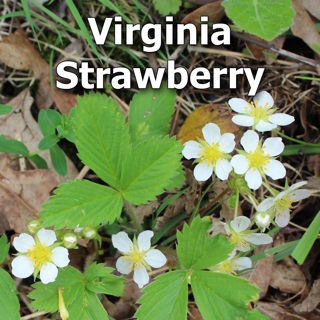
Virginia strawberry: A Beautiful, Tasty, and Underutilized Native Groundcover

Virginia strawberry: A Beautiful, Tasty, and Underutilized Native Groundcover

Summary The Virginia strawberry (Fragaria virginiana) is our most widespread native wild strawberry in the eastern U.S. It supports a wide range of pollinators and wildlife. It can also make an amazin...

29 Touko 20256min
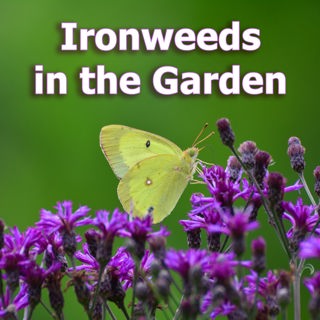
Ironweed's Beauty and Ecological Value in Your Garden: Mt. Cuba's Vernonia Trial

Ironweed's Beauty and Ecological Value in Your Garden: Mt. Cuba's Vernonia Trial

Summary Each fall, the beautiful, rich, purple blooms of ironweeds (Vernonia spp.) grace fields and open areas throughout much of the eastern U.S. They are an ecological powerhouse for pollinators and...

15 Touko 202557min
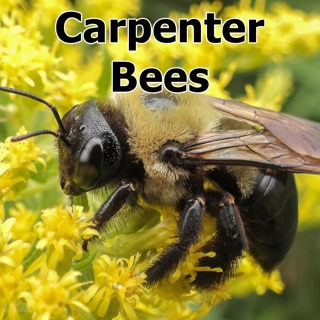
Eastern Carpenter Bees: How to Peacefully Co-exist and Why They Are Important

Eastern Carpenter Bees: How to Peacefully Co-exist and Why They Are Important

Summary While carpenter bees get a bad rap, they are also important pollinators and play a vital role in the ecosystem. Their bad reputation can also sometimes be overblown. So, let's talk a little bi...

1 Touko 202515min
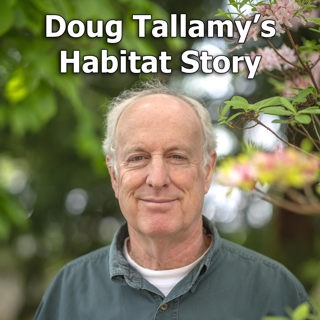
Doug Tallamy's Habitat Restoration Story and How You Can Help Save Nature

Doug Tallamy's Habitat Restoration Story and How You Can Help Save Nature

Summary Dr. Doug Tallamy shares the story of how he and his wife transformed their newly built home located on a former hayfield into a thriving forest ecosystem. We talk about how they got started, t...

17 Huhti 202549min
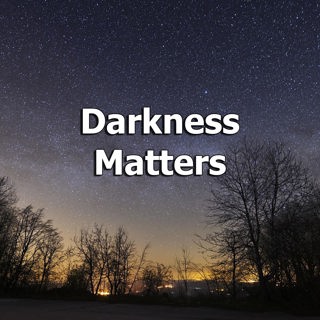
Darkness Matters: Light Pollution's Threats and Simple Ways to Help

Darkness Matters: Light Pollution's Threats and Simple Ways to Help

Summary Darkness is a vital, and often overlooked, component of our ecosystems. Unfortunately, we're losing it to light pollution. Decreasing the light pollution around your home will not only benefit...

3 Huhti 202510min

Suosittua kategoriassa Tiede

tiedekulma-podcast
rss-mita-tulisi-tietaa
rss-poliisin-mieli
utelias-mieli
rss-metsantuntijat-podcast
rss-duodecim-lehti
mielipaivakirja
rss-luontopodi-samuel-glassar-tutkii-luonnon-ihmeita
docemilia
filocast-filosofian-perusteet
menologeja-tutkimusmatka-vaihdevuosiin
rss-bios-podcast
rss-astetta-parempi-elama-podcast
rss-tiedetta-vai-tarinaa
rss-lapsuuden-rakentajat-podcast
rss-sosiopodi
rss-miljonaarien-tasavalta