
Monarch Butterflies and OE (Ophryocystis elektroscirrha)

Monarch Butterflies and OE (Ophryocystis elektroscirrha)

Monarch butterflies have become an increasingly hot topic in recent decades, and especially in the last couple of years. Conversations about monarchs often revolve around topics like their migrations, the importance of milkweeds, or other flowers we can plant for monarchs. Rarely do the topics of monarch health or monarch diseases come up. Yet these can also be fascinating and important topics to learn about and discuss.

In this episode of the Backyard Ecology podcast, we are joined by Dr. Sonia Altizer and Kade Donaldson. Sonia is a Professor of Ecology at the University of Georgia and Kade is the Project Manager for Monarch Health which is a community science project based out of the University of Georgia.

Most of our conversation revolves around the tiny protozoan, Ophryocystis elektroscirrha, more commonly referred to by its initials: OE. OE is a parasite of monarch butterflies that has been interacting with monarchs for the past several centuries, at least, and likely for almost as long as there have been monarchs. However, over the last couple of decades, something has changed.

OE has gone from being relatively rare to infecting very high percentages of some monarch populations. Exactly what has changed is still a topic of ongoing research, but the increased prevalence of OE appears to correlate to changes in human activities. The goal, therefore, is to determine what has changed and find ways to keep OE from spreading any more than it would naturally spread.

One of the ways that OE infections are being studied is through Project Monarch Health. Project Monarch Health is a community science project that asks members of the public to help document OE infections throughout the country. Anyone can participate in this project which is based out of the University of Georgia, and we talk about Project Monarch Health quite a bit during our conversation.

Other topics that we discussed are some of the common questions they get through Project Monarch Health. Those questions include ways people can help monarch butterflies and inquiries about raising monarchs. We also talked about how monarchs are only one part of the larger ecosystem. Protecting and conserving monarchs can also help lots of other organisms, but we need to be careful not to get so focused on monarchs that we lose sight of the big picture.

Links:

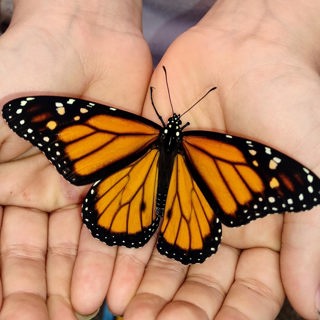
Episode image

  • Male monarch butterfly
  • Photo credit: Sonia Altizer, all rights reserved

Jaksot(115)

The Great Backyard Bird Count

The Great Backyard Bird Count

The Great Backyard Bird Count is an annual citizen science / community science project hosted by the Cornell Lab of Ornithology, Audubon, and Birds Canada. This international project takes place all o...

4 Helmi 202141min
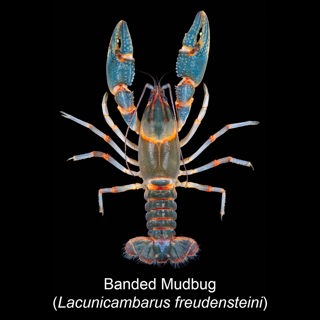
The Valuable Ecological Roles of Crayfish and the Discovery of Two New Species

The Valuable Ecological Roles of Crayfish and the Discovery of Two New Species

We're lucky in the eastern U.S. because bodies of water are pretty common. For most of us, if we don't have access to a creek, stream, river, pond, etc. in our immediate backyards, then we likely have...

28 Tammi 20211h 9min
Native Seed Production and Tips for Starting a New Native Plant Garden or Restoration Area

Native Seed Production and Tips for Starting a New Native Plant Garden or Restoration Area

Growing native plants has grown in popularity over the last couple of decades. This has led to an increased demand for native plant seeds. However, many of us have never really stopped to think about ...

21 Tammi 20211h 3min
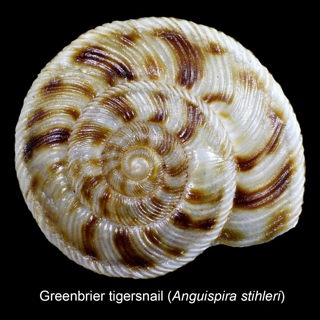
Land Snails and their Amazing Diversity

Land Snails and their Amazing Diversity

Land snails???? Come on, how do they fit with Backyard Ecology? True, land snails aren't the most charismatic organism in our yards and communities, so it would be easy to just write them off and igno...

14 Tammi 202156min
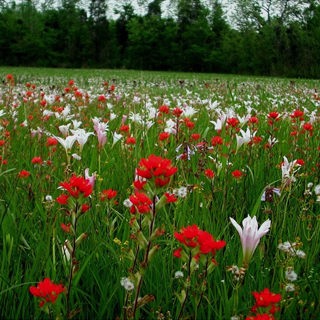
Conserving our Southeastern Grasslands with Dwayne Estes

Conserving our Southeastern Grasslands with Dwayne Estes

Many of us grew up hearing about the decline of the old growth forests and their impacts on neotropical songbirds and other wildlife. I think this was especially true for those of us who grew up here ...

7 Tammi 202154min
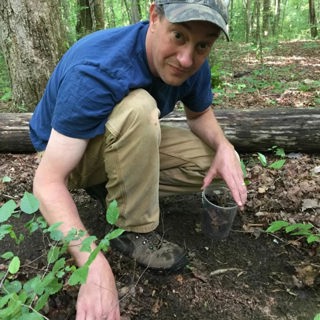
Native and Non-native Earthworms in the Eastern U.S. with Mac Callaham

Native and Non-native Earthworms in the Eastern U.S. with Mac Callaham

Hi Everyone! Today we are talking with Mac Callaham who is a Research Ecologist with the Southern Research Station of the U.S. Forest Service. Mac's focus is on invasive species, with a specialty in s...

31 Joulu 202053min
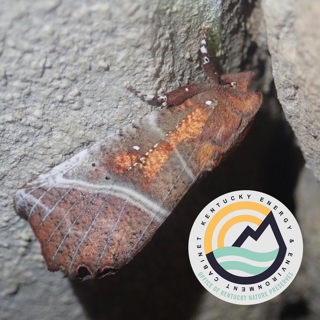
Moths in the Winter with Shelby Fulton

Moths in the Winter with Shelby Fulton

Hi, Everyone! In today's episode of the Backyard Ecology podcast we are talking with Shelby Fulton who is a terrestrial biologist with the Kentucky Nature Preserves. Our conversation focuses on moths ...

24 Joulu 202031min
An Introduction to iNaturalist with Maddy Heredia

An Introduction to iNaturalist with Maddy Heredia

Hi Everyone! On today's episode of Backyard Ecology, we talk with Maddy Heredia who is the outreach specialist and a biologist with the Kentucky Nature Preserves. Maddy and I first met when she was in...

17 Joulu 202036min

Suosittua kategoriassa Tiede

tiedekulma-podcast
rss-mita-tulisi-tietaa
rss-poliisin-mieli
utelias-mieli
rss-metsantuntijat-podcast
rss-duodecim-lehti
mielipaivakirja
rss-luontopodi-samuel-glassar-tutkii-luonnon-ihmeita
docemilia
filocast-filosofian-perusteet
menologeja-tutkimusmatka-vaihdevuosiin
rss-bios-podcast
rss-astetta-parempi-elama-podcast
rss-tiedetta-vai-tarinaa
rss-lapsuuden-rakentajat-podcast
rss-sosiopodi
rss-miljonaarien-tasavalta