Weill: The Seven Deadly Sins

Weill: The Seven Deadly Sins

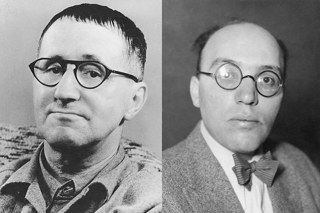
The collaboration between Kurt Weill and Bertolt Brecht is rightly legendary. The two men could not have been more different from each other, and like the Brahms/Joachim relationship I mentioned in my recent show about the Brahms Double concerto, the friendship between Weill and Brecht was stormy to say the least. The two collaborated on some of the most memorable works of the Weimar era in Germany, such as the Threepenny Opera, which features a pretty famous tune called Mack the Knife.

Their final collaboration was on the "sung ballet" The Seven Deadly Sins. This is a piece that was written at a point of remarkably high tension within Weimar Germany. On an artistic level, the 1920s and early 1930s had seen a veritable explosion in the world of culture, with art, dance, theater, and music all featuring artists who were pushing the boundaries with wild experimentation and a kind of ecstatic fervor that produced some of the world's greatest and most memorable cultural achievements. On a parallel track however, the rise of the Nazis cast a pall over all of this. By 1933, both Brecht and Weill(who was Jewish) knew that Germany was not a place that they could stay safely. Weill ended up in Paris and then in the US for the rest of his life, while Brecht bounced around Europe before returning to East Germany after the war, hoping to be a part of the Marxist Utopia that he believed had been founded there. The simmering combination of Weill's mastery of transforming popular forms into a unique kind of classical music along with Brecht's pointed satire and brilliantly inventive libretti resulted in the Seven Deadly Sins, a piece that that brutally satirizes extreme capitalism and the degradation of the human soul that supposedly results from it. This is a nakedly political piece, and I should make it clear that by talking about it, by choosing to feature it on the show, and by regularly performing it, I don't necessarily endorse its views. Brecht was extreme in all ways, as we'll get to today, and the power of this piece in my opinion doesn't come from its politics, but from its remarkable and devastating portrayal of a human soul and the tragedies that can befall it. This is one of my favorite pieces of the whole 20th century, and I'm so happy to share it with you today. Join us!

Jaksot(283)

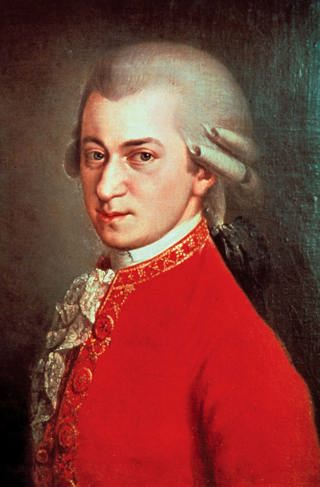
Mozart Symphony No. 40

Mozart Symphony No. 40

This week continues my project of reuploading seasons 1-5 in new and improved sound quality! The opening of Mozart's 40th symphony is one of the most recognizable tunes in the whole repertoire, but to...

22 Loka 202047min
"Wagnerism" with Alex Ross

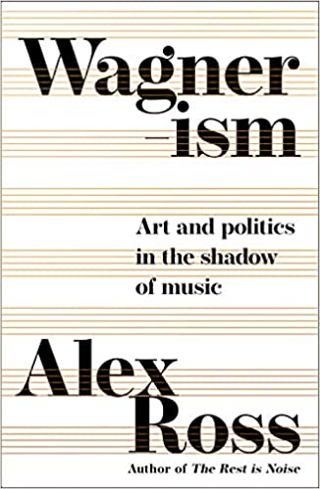
"Wagnerism" with Alex Ross

This week I got to cross off a Sticky Notes bucket list item by interviewing the best-selling author and critic Alex Ross. We talked about his incredible new book Wagnerism, discussing Wagner's influe...

15 Loka 20201h 1min
Johannes Brahms and Clara Schumann: A Love Story

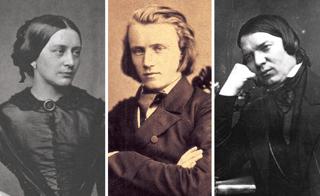
Johannes Brahms and Clara Schumann: A Love Story

Today is the beginning of a new project to re-upload older episodes in new and improved sound quality! First up is a story I can't believe Hollywood hasn't told in decades - the story of Johannes Brah...

8 Loka 202032min
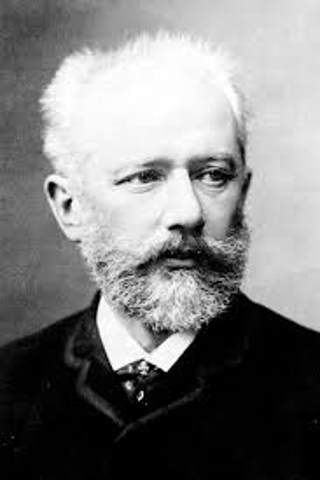
Tchaikovsky Violin Concerto

Tchaikovsky Violin Concerto

In one of the most famous reviews in this history of Western Classical Music, Eduard Hanslick torched the Tchaikovsky Violin Concerto, saying that the violin was "beaten black and blue." This review w...

1 Loka 202048min
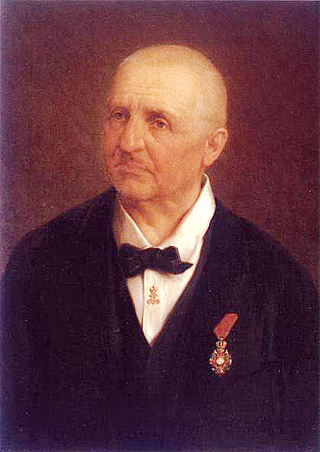
Bruckner Symphony No. 4

Bruckner Symphony No. 4

Bruckner's symphonies are a world unto their own. They are epic works that are also full of a trademark humility that is present in the work of no other composer. Bruckner's 4th Symphony, the "Romanti...

24 Syys 20201h 1min
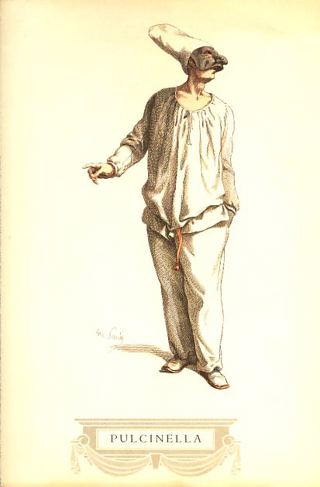
Stravinsky Pulcinella

Stravinsky Pulcinella

In 1919, the impresario Sergei Diaghilev came up with the idea of having Stravinsky write a ballet inspired by 18th century music by composers like Pergolesi. The result, Pulcinella, began a transform...

17 Syys 202045min

The Music of William Grant Still

The Music of William Grant Still

William Grant Still was a man of firsts. He was the first African American to to conduct a major symphony orchestra in the United States. In 1931, his first symphony became the first complete symphony...

3 Syys 202045min
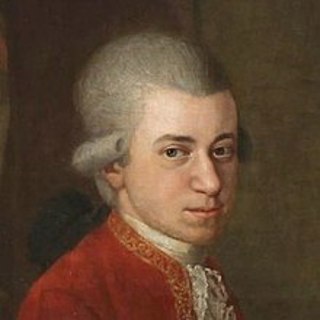
Mozart Symphony No. 36, "Linz"

Mozart Symphony No. 36, "Linz"

In 1783, Mozart wrote a letter to his father. He wrote, in part: "On Tuesday, November 4th, I am doing a concert in the theatre here and, as I have not a single symphony with me, I am writing a new on...

27 Elo 202043min

Suosittua kategoriassa Viihde

anni-jaajo
tuplakaak
grekovit
hei-baby-3
terveisia-perheesta
the-harlin-show
dear-shirly
antin-palautepalvelu
bella-table
antin-elokuvakerho
nonsensepodi
dear-shirly-ja-arttu
verhon-takaa
ootsa-kuullut-tasta-2
get-jassud
hollywood-love-stories-2
tahtitehdas
tervo-halme
everypodi
terkuin-jenna