On warhead be it: Saudi Arabia and Pakistan
A long-suspected defence partnership between Saudi Arabia and Pakistan has burst into the open. We ask what Pakistan’s extension of its nuclear umbrella will mean. As Chinese brands sweep the world, some (such as Biemlfdlkk) are wisely changing their names. And a look through history at how authoritarians deal, or do not, with the comedians who mock them.Get a world of insights by subscribing to Economist Podcasts+. For more information about how to access Economist Podcasts+, please visit our FAQs page or watch our video explaining how to link your account. Hosted on Acast. See acast.com/privacy for more information.
24 Syys 22min
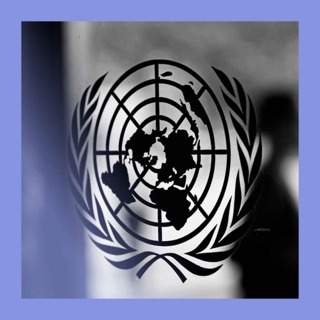
States of disarray: the UN at 80
Coffers running low and an increasingly absent principal member: the United Nations has never looked so precarious. We discuss its future amid uncertain geopolitics. The generative-AI explosion has mostly been driven by so-called large language models—but small ones look ever more attractive. And we meet the determined students who, against the odds, still want to drive London’s famed black cabs.Get a world of insights by subscribing to Economist Podcasts+. For more information about how to access Economist Podcasts+, please visit our FAQs page or watch our video explaining how to link your account. Hosted on Acast. See acast.com/privacy for more information.
23 Syys 25min

One nation, under God, divisible: Charlie Kirk’s memorial
Part commemoration, part megachurch meeting, largely political rally—the memorial service for Charlie Kirk revealed much about how the Trump administration intends to respond to his killing. Sunlight may have got a worse rap than it deserves; we examine the evidence of its benefits. And why today’s pop songstresses sing less about men’s evil deeds and more about their mediocrity.Get a world of insights by subscribing to Economist Podcasts+. For more information about how to access Economist Podcasts+, please visit our FAQs page or watch our video explaining how to link your account. Hosted on Acast. See acast.com/privacy for more information.
22 Syys 24min

JAIpur to MumbAI: US firms invest in India
India is becoming one of the largest markets for Artificial Intelligence and shaping how the technology develops. Our correspondent assesses what type of AI superpower the country could be. Tracking the meltdown at Swiss chocolatier Nestlé. And celebrating the life of Robert Redford.Listen to what matters most, from global politics and business to science and technology—Subscribe to Economist Podcasts+For more information about how to access Economist Podcasts+, please visit our FAQs page or watch our video explaining how to link your account. Hosted on Acast. See acast.com/privacy for more information.
19 Syys 19min

Wary pharma: AstraZeneca sours on UK
Pharmaceutical giant AstraZeneca has paused a £200m investment in Britain and could move its primary listing to America. Can the UK maintain its status as a “life-science superpower”? Why autonomous air wings are the future of war in the sky. And how scientists in the Caribbean are restoring the barrier reef through “coral IVF”. Listen to what matters most, from global politics and business to science and technology—Subscribe to Economist Podcasts+For more information about how to access Economist Podcasts+, please visit our FAQs page or watch our video explaining how to link your account. Hosted on Acast. See acast.com/privacy for more information.
18 Syys 22min

Offensive: UN calls it genocide, Israel persists
A new United Nations report says Israel’s actions in Gaza constitute “genocide”. That has not deterred Binyamin Netanyahu, Israel’s prime minister, from mounting a ground offensive on Gaza City. The stakes – and steaks – of Donald Trump’s state visit to Britain. And life-hacks, Chinese style.Listen to what matters most, from global politics and business to science and technology—Subscribe to Economist Podcasts+For more information about how to access Economist Podcasts+, please visit our FAQs page or watch our video explaining how to link your account. Hosted on Acast. See acast.com/privacy for more information.
17 Syys 24min

Honey, we shrunk the kids: population fall
Falling fertility makes a global decline in population inevitable. That will change the shape and make up of societies. But it may not make us poorer. Are large language models really woke? And reading is on the wane – and why that matters. Listen to what matters most, from global politics and business to science and technology—Subscribe to Economist Podcasts+For more information about how to access Economist Podcasts+, please visit our FAQs page or watch our video explaining how to link your account. Hosted on Acast. See acast.com/privacy for more information.
16 Syys 23min

Losing the plot: Brazil-US relations tested
After Jair Bolsonaro was sentenced to 27 years in prison for trying to organise a coup in 2023, Donald Trump accused Brazil of staging a “witch hunt”. How will America respond? Niche sports like padel and tag are now attracting sponsorship and broadcast deals. And meet the real Lord Downton: Julian Fellowes. Listen to what matters most, from global politics and business to science and technology—Subscribe to Economist Podcasts+For more information about how to access Economist Podcasts+, please visit our FAQs page or watch our video explaining how to link your account. Hosted on Acast. See acast.com/privacy for more information.
15 Syys 24min