Bats: Friend or foe?
Bats are depicted in some cultures as devil-like vampires through images of death and Halloween. But in others they are the opposite and are believed to bring luck and good fortune in China. Fear of bats has been exacerbated in the past 18 months by the Coronavirus pandemic and a blame game, pointing the finger at bats as a potential source of Covid-19. But environmentalists love them for being natural pest controllers – hoovering up harmful insects. Scientists love them too - as a vital source of medical research. How can they carry viruses without getting ill and what is their anti-ageing secret?
6 Heinä 202127min
Two Smiley Faces
The emoji, invented in Japan in the 1990s, and now standardised on every device and platform we have, has become a new type of global communication. Whether you love them or hate them, they stir up surprisingly strong feelings and the fight for representation on the emoji keyboard can get very heated. In this first episode, we explore how for many of us, these cute symbols have become a natural part of our daily digital lives. We also meet two emoji lovers as they prepare to take on Silicon Valley and try to have their longed-for emoji approved.
4 Heinä 202123min
Coronavirus: Face masks
Face coverings have been part of the fight against the spread of the virus in many countries but the debate around them continues. Israel has been one of the most successful countries in the world in tackling the pandemic but, just days after lifting the requirement of wearing face masks indoors, the restriction was reimposed. The decision was made after a rise in Covid cases due to the Delta variant. We also hear from two students in Italy about their feelings now that they are allowed to go outdoors without a face mask for the first time since October 2020.
3 Heinä 202123min
The runaway maids of Oman
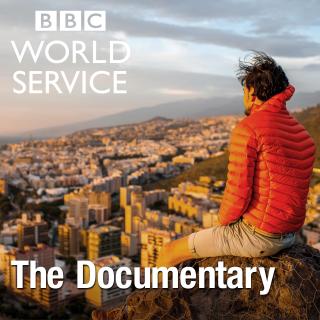
Two hundred young women from Sierra Leone, west Africa, have been trapped in the Arabian sultanate of Oman, desperate to get home. Promised work in shops and restaurants, they say they were into tricked becoming housemaids, working up to 18 hours a day, often without pay, and sometimes abused by their employers. Some ran away, to live a dangerous underground existence at the mercy of the authorities – but now they’re being rescued and repatriated, and some are empowering themselves as independent farmers back home. Tim Whewell tells their story.(Image: Sierra Leonean women hoping for repatriation after leaving their employers in Oman. Credit: Do Bold)
1 Heinä 202126min
Guru: Who knew what and when?
For the last year, BBC journalist and passionate yoga teacher Ishleen Kaur has been investigating allegations of sexual and emotional abuse at the heart of an organisation she once called home. Fellow practitioners share with her their stories of cruelty, rape and even the sexual assault of a child - but she wasn't prepared for what she uncovered next. Join Ishleen on a deeply personal journey into the dark legacy which haunts Sivananda Yoga, one of the world’s most revered yoga schools.
29 Kesä 202126min
Marvellous medicine
During the pandemic, the world witnessed how fast medicine can advance with an abundance of cash and collaboration. Is progress at this speed and cost sustainable? Sandra Kanthal asks if drug development is something which should still take decades, or have we learned how to permanently accelerate the process?
27 Kesä 202123min
A right to health
What will be the biggest healthcare issue in the next decade? What is the future of public healthcare around the world? The BBC World Service brings together the acclaimed US physician and Berggruen Prize winner, Dr Paul Farmer, with health experts and members of the public from across the globe to discuss one of the most urgent issues of our time.
26 Kesä 202150min
Coronavirus: Survivor's guilt
Worldwide almost four million people have now died from Covid-19. For each individual who has lost a loved one, each statistic is a deeply personal experience. The disease has not just attacked our physical health, it has also had a mental impact - whether from anxiety, depression or loneliness. We hear from three people from Nepal, South Africa and the United States who are all dealing with survivor’s guilt.
26 Kesä 202123min