

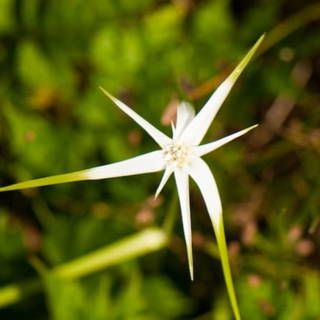
Target capture sequencing for investigating repetitive DNA
Botanists find a way to recycle genomic data and contribute to a better characterization of plant biodiversity. You can read the post at https://www.botany.one/2021/11/target-capture-sequencing-for-in...
17 Marras 20213min

How using bibliometrics can help guide people to your research, the case of the Ionome, Nutriome and Metallome
You might think of bibliometrics as something that happens to scientific articles after they’re published. However, in new and innovative fields like ionomics, bibliometrics can also help shape them. ...
16 Marras 20217min
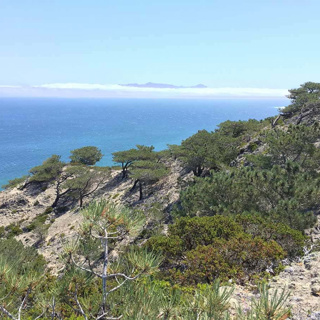
Estimating genetic variation in seed collections using seed morphology
Can variation in seed morphological traits allow us to estimate genetic variation in seed banks of vulnerable plant species? You can read the post at: https://www.botany.one/2021/11/estimating-genetic...
15 Marras 20213min
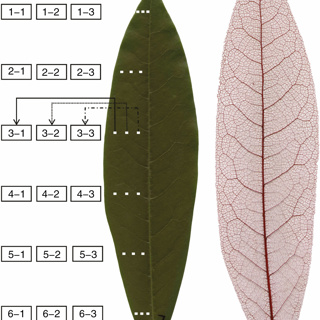
Spatial arrangement of stomata in Michelia
The spatial pattern of stomata is mainly caused by small-scale epidermal competition. You can read the post here at https://www.botany.one/2021/11/spatial-arrangement-of-stomata-in-michelia/ You can r...
12 Marras 20213min
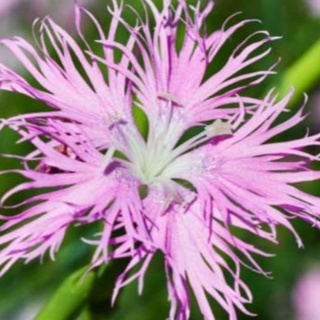
Conservation strategies for the endangered Dianthus superbus in Latvia
Can a combination of in situ, ex situ and inter situ conservation strategies help the recovery of Dianthus superbus populations in Latvia? The blog post is at https://www.botany.one/2021/11/conservati...
11 Marras 20213min
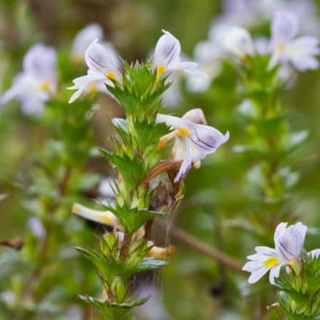
The nature of eyebright intraspecific genome size variation
Botanists find notable genuine genome size variation of up to 1.3-fold between individuals of the same species. You can read the post at https://www.botany.one/2021/11/the-nature-of-eyebright-intraspe...
5 Marras 20212min

Floral development and vasculature of Eriocaulon (Eriocaulaceae)
Arthur de Lima Silva and colleagues present a hypothesis of floral evolution for the family, illustrating a shift from bisexuality to unisexuality and the evolution of nectaries in a complex monocot f...
3 Marras 20213min
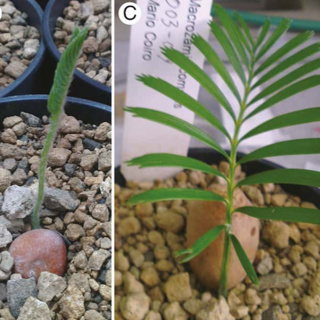
Piecing together the Zamiaceae family tree reveals the evolution of how plants ‘breathe’
The Zamiaceae are often considered 'living fossils', but a close study of how they have evolved over millions of years can give a glimpse into the lives of past plants. You can can the post at https:/...
2 Marras 20213min