An Introduction to iNaturalist with Maddy Heredia
Backyard Ecology™17 Joulu 2020

An Introduction to iNaturalist with Maddy Heredia

Hi Everyone! On today's episode of Backyard Ecology, we talk with Maddy Heredia who is the outreach specialist and a biologist with the Kentucky Nature Preserves. Maddy and I first met when she was in college and volunteered on a citizen science / community science program that I was leading. Today we turned things around as she taught me a little bit about iNaturalist, which is a program that I knew about in the broad sense, but have never really used myself. I had a lot of fun recording this episode and I hope you enjoy it too.

iNaturalist is a tool that can either be used through a smartphone app or online with your computer. iNaturalist is commonly used to help people identify a plant or animal. After you upload a picture and a little additional information about when and where you found it, iNaturalist will make recommendations as to what the organism could be. Other iNaturalist users can also comment on your photograph and help with the identification.

Another common way that iNaturalist is used is by people who want to document the plants and animals they find. You can document the plants and animals in your yard, the pollinator garden at the local elementary school, the county park or other public land, or anywhere else. The observations that you make and upload to iNaturalist are publicly accessible.

Those observations are extremely valuable to scientists because they can't be everywhere at all times. Also, we often don't know exactly where specific plants or animals are found, especially when it comes to understudied organisms like insects. Observations uploaded to iNaturalist can help fill in those knowledge gaps. For example, recently a species of moth that had previously never been documented in Kentucky before was documented in the state because someone took a picture of it and uploaded it to iNaturalist.

I like the fact that not only can I use iNaturalist to help me learn more about the plants and animals that I find, but it can also help scientists learn more about those plants and animals as well. After talking to Maddy and hearing her walk us through the steps of using iNaturalist, I think I'm going to set up an account to help document some of the plants and animals that I find, as well as, to help identify some of the mystery insects that I discover as I'm taking pictures of different pollinators.

If you aren't already using iNaturalist, then I encourage you to take a look at it. I'm guessing, that like me, you can find multiple uses for it. And if you use iNaturalist in Kentucky, please join the Kentucky Nature Preserve's projects so your observations can help them learn more about all of our amazing plants and animals.

Links:

Jaksot(115)

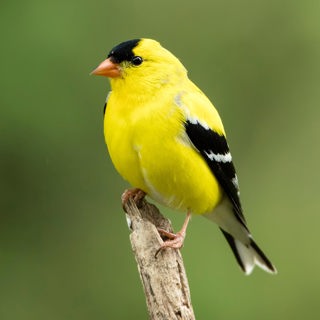
The American Goldfinch: A Comprehensive Guide

The American Goldfinch: A Comprehensive Guide

American goldfinches are beautiful and fascinating songbirds that can be found over most of the continent. Their late nesting season and almost exclusively seed-based diet, even as nestlings, make the...

25 Elo 202318min
Exploring Urban Ecology: Understanding and Appreciating Nature Where We Live

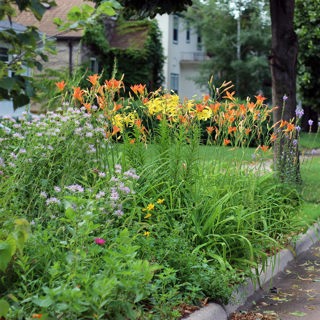
Exploring Urban Ecology: Understanding and Appreciating Nature Where We Live

Did you know that urban ecology doesn't just apply to big cities and towns? Even if you live in a fairly rural area, if there is a lot of interaction between where you live and a nearby town or city t...

10 Elo 202355min
What Happens When a Tree Gets Blown Over? Discovering New Habitats Created by Fallen Trees

What Happens When a Tree Gets Blown Over? Discovering New Habitats Created by Fallen Trees

As sad as the loss of a tree can be, there's also an excitement because fallen trees provide many different types of valuable and often overlooked habitats. I talk about some of those habitats in this...

27 Heinä 202312min
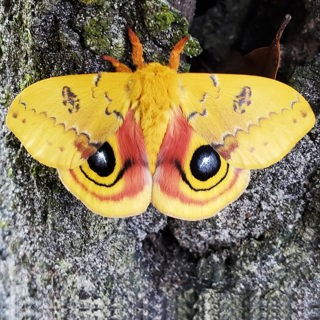
Moths: Unsung Heroes of Pollination and Beyond

Moths: Unsung Heroes of Pollination and Beyond

Did you know that there are approximately 10 times more moth species worldwide than there are butterfly species? Or that without moths we would have fewer songbirds, less genetic diversity in many of ...

13 Heinä 20231h 2min
Sometimes Life Happens

Sometimes Life Happens

I share a story of how Anthony and I had a "life happens" moment on our property over the weekend. My hope is that our story of how "life happened" to us this week can give you a little bit of encoura...

29 Kesä 20237min
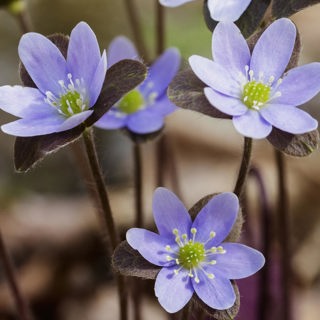
Learning to See and Identify Plants with Alan Weakley

Learning to See and Identify Plants with Alan Weakley

If you've ever found a plant that you didn't recognize and wanted to know what it was, then this episode is for you. We talk with Dr. Alan Weakley about learning to observe plants, how to identify pla...

15 Kesä 202355min
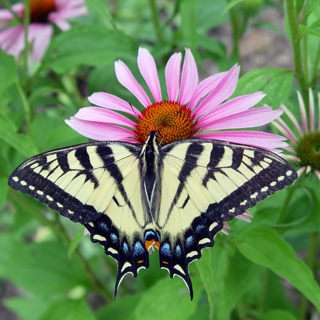
5 Tips for Attracting Butterflies to Your Yard

5 Tips for Attracting Butterflies to Your Yard

I offer five tips to help you attract butterflies to your property. Depending on your property and situation, you may not be able to do all of them. That's ok. If you have a small property, look aroun...

1 Kesä 202311min
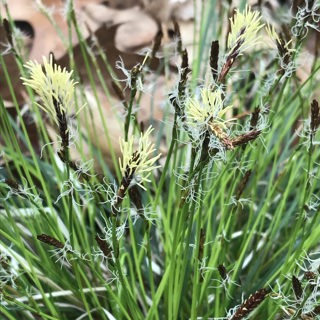
Gardening with Sedges - Mt. Cuba Center Carex Trial

Gardening with Sedges - Mt. Cuba Center Carex Trial

Did you know there is a group of native plants which can be highly adaptable, can serve multiple functions in our gardens, and perhaps even be a backbone component to our home landscapes, but which ha...

18 Touko 202359min

Suosittua kategoriassa Tiede

tiedekulma-podcast
rss-mita-tulisi-tietaa
rss-poliisin-mieli
utelias-mieli
rss-duodecim-lehti
rss-metsantuntijat-podcast
mielipaivakirja
filocast-filosofian-perusteet
rss-astetta-parempi-elama-podcast
rss-luontopodi-samuel-glassar-tutkii-luonnon-ihmeita
university-of-eastern-finland
docemilia
menologeja-tutkimusmatka-vaihdevuosiin
rss-bios-podcast
rss-tiedetta-vai-tarinaa
rss-ylistys-elaimille
rss-lapsuuden-rakentajat-podcast
rss-sosiopodi
rss-miljonaarien-tasavalta