Native Seed Production and Tips for Starting a New Native Plant Garden or Restoration Area
Backyard Ecology™21 Tammi 2021

Native Seed Production and Tips for Starting a New Native Plant Garden or Restoration Area

Growing native plants has grown in popularity over the last couple of decades. This has led to an increased demand for native plant seeds. However, many of us have never really stopped to think about how those native seeds are produced on a commercial level. In this episode, we talk with John Seymour and Robert Hoffman from Roundstone Native Seed about this and their recommendations for planting native seeds. John is the president of Roundstone and Robert is their Restoration Ecologist.

Growing native plants for commercial seed production is a complicated process. At Roundstone Native Seed, the process starts with collecting the initial native seeds from the wild following the U.S. Forest Service collecting guidelines. The native seeds initially collected must then be grown first as plugs in a greenhouse, and then transplanted into larger production plots which produce the native seeds that are eventually harvested for sale.

Once in the production plots, the plants must be cared for throughout the growing season and throughout future years to keep the plots producing to the best of their ability. Some of the ongoing care and maintenance may include watering, hand weeding, and conducting prescribed burns on the fields. For many of the production fields, it may take up to three years before a stand is producing seed to its fullest capacity.

For many of these species, much of the harvesting and seed processing must be done by hand. Unlike many of our more traditional crops or flowers, native plants don't all go to seed at the same time. Often times the staff at Roundstone will go out to each stand every day to hand harvest just the seeds that are ready that day – taking a combine through and harvesting the whole field at once, like is done with corn or soybeans, is often not an option for native seeds.

After being harvested, the seeds then have to be dried and cleaned. The cleaning process includes removing all the "fluff" and extra pieces of vegetative material. This can be up to a 17-step process for native seeds, while more traditional crops may only have a few steps in the cleaning process. And each species has different cleaning requirements and needs. Each machine also has to be thoroughly cleaned before the next species can be processed.

When it comes to planting native seeds, site preparation is extremely important. The type of site preparation you need to do will depend on the current use of that land. Is it a yard, an existing garden or crop field, a pasture, etc.? The number one thing you can do for site preparation is weed control and a lack of weed control is the number one reason why native plant stands or gardens fail. The three most common forms of weed control before planting your native seeds are herbicide treatments, solarization, and repeat tillage.

It often takes multiple weed control treatments over several seasons to get a site properly prepped for planting native seeds. Initial weed control is so important prior to planting native seeds because native plants tend to germinate slower and over a longer period of time than many weeds. That longer and slower germination rate can allow weeds to take over and outcompete your native seeds. The old adage for native plants is that first they sleep, then they creep, then they leap, so you really need to do everything you can to reduce the weed competition during the first year or two.

The second most common reason for stand failure with native seeds is probably from planting the seeds too deep. Native seeds need a firm seed bed and often shouldn't be planted more than 1/8 to a 1/4 inch deep. It is usually better for the seeds to be on the surface than planted too deeply. Depending on your goals, the site, and your weed control process, native seeds can be planted in the dormant season (mid-November through early March) or the growing season (mid-April through late-June). Both planting times have their own pros and cons.

One of the things that I really like about Roundstone Native Seed is that they care about their customers and want to help them find the right mixes for them. If you call to talk to Roundstone Native Seed, they'll often take you through what they refer to as a "seed interview." During the seed interview, they will ask you lots of questions aimed at identifying what they believe will be the best mix to meet your specific needs, goals, and location. Their main goal is to help you have good stands and success with your native plants.

Links:

Episode image:

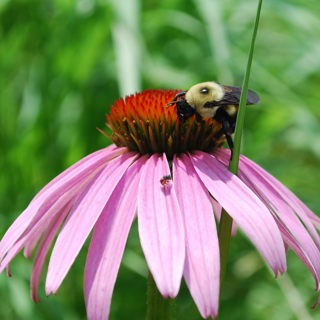
  • Bees on a purple coneflower
  • Photo credit: Roundstone Native Seed

Jaksot(115)

The American Goldfinch: A Comprehensive Guide

The American Goldfinch: A Comprehensive Guide

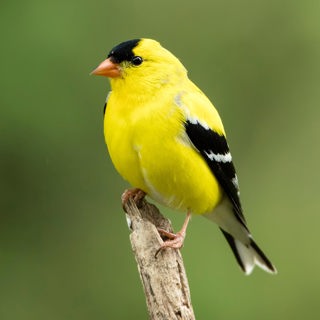
American goldfinches are beautiful and fascinating songbirds that can be found over most of the continent. Their late nesting season and almost exclusively seed-based diet, even as nestlings, make the...

25 Elo 202318min
Exploring Urban Ecology: Understanding and Appreciating Nature Where We Live

Exploring Urban Ecology: Understanding and Appreciating Nature Where We Live

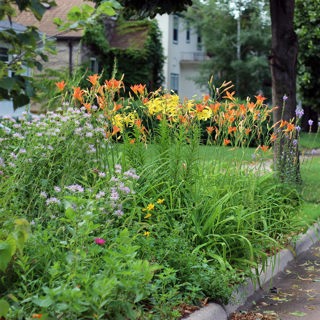
Did you know that urban ecology doesn't just apply to big cities and towns? Even if you live in a fairly rural area, if there is a lot of interaction between where you live and a nearby town or city t...

10 Elo 202355min
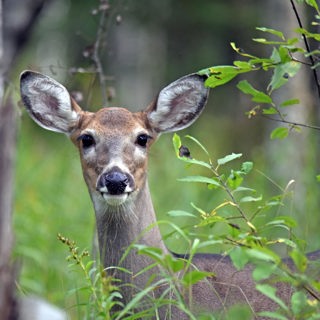
What Happens When a Tree Gets Blown Over? Discovering New Habitats Created by Fallen Trees

What Happens When a Tree Gets Blown Over? Discovering New Habitats Created by Fallen Trees

As sad as the loss of a tree can be, there's also an excitement because fallen trees provide many different types of valuable and often overlooked habitats. I talk about some of those habitats in this...

27 Heinä 202312min
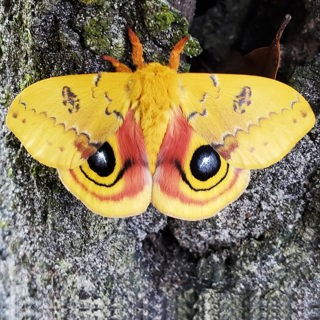
Moths: Unsung Heroes of Pollination and Beyond

Moths: Unsung Heroes of Pollination and Beyond

Did you know that there are approximately 10 times more moth species worldwide than there are butterfly species? Or that without moths we would have fewer songbirds, less genetic diversity in many of ...

13 Heinä 20231h 2min
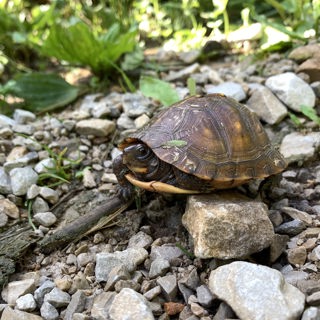
Sometimes Life Happens

Sometimes Life Happens

I share a story of how Anthony and I had a "life happens" moment on our property over the weekend. My hope is that our story of how "life happened" to us this week can give you a little bit of encoura...

29 Kesä 20237min
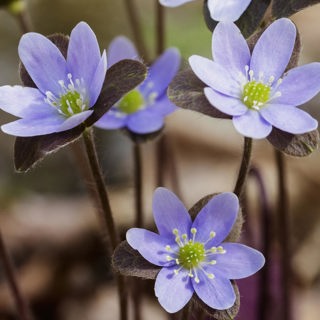
Learning to See and Identify Plants with Alan Weakley

Learning to See and Identify Plants with Alan Weakley

If you've ever found a plant that you didn't recognize and wanted to know what it was, then this episode is for you. We talk with Dr. Alan Weakley about learning to observe plants, how to identify pla...

15 Kesä 202355min
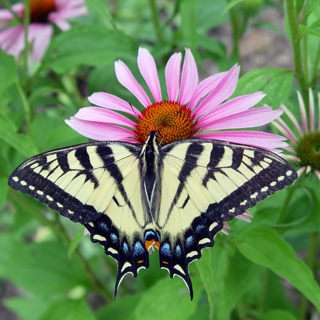
5 Tips for Attracting Butterflies to Your Yard

5 Tips for Attracting Butterflies to Your Yard

I offer five tips to help you attract butterflies to your property. Depending on your property and situation, you may not be able to do all of them. That's ok. If you have a small property, look aroun...

1 Kesä 202311min
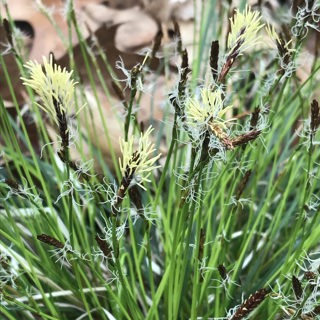
Gardening with Sedges - Mt. Cuba Center Carex Trial

Gardening with Sedges - Mt. Cuba Center Carex Trial

Did you know there is a group of native plants which can be highly adaptable, can serve multiple functions in our gardens, and perhaps even be a backbone component to our home landscapes, but which ha...

18 Touko 202359min

Suosittua kategoriassa Tiede

tiedekulma-podcast
rss-mita-tulisi-tietaa
rss-poliisin-mieli
utelias-mieli
rss-duodecim-lehti
rss-metsantuntijat-podcast
mielipaivakirja
filocast-filosofian-perusteet
rss-astetta-parempi-elama-podcast
rss-luontopodi-samuel-glassar-tutkii-luonnon-ihmeita
university-of-eastern-finland
docemilia
menologeja-tutkimusmatka-vaihdevuosiin
rss-bios-podcast
rss-tiedetta-vai-tarinaa
rss-ylistys-elaimille
rss-lapsuuden-rakentajat-podcast
rss-sosiopodi
rss-miljonaarien-tasavalta