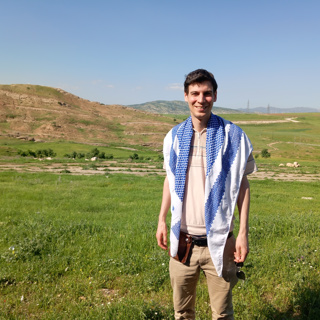
Branches of Faith – 07: Branches Relating to Outward Actions – Shaykh Muhammad Abu Bakr Ba-Dhib
In this session, Shaykh Muhammad Abu Bakr Ba-Dhib continues looking at the Branches of Faith from Imam Zabidi’s text “ʿIqd al-Juman fi Bayan Shuʿab al-Iman” (The Necklace of Pearls in Clarifying the Branches of Faith). Continuing with the root that relates to the matters of this life, he moves on to look at the Branches of Faith relating to outward actions. Shaykh Ba-Dhib explains the ten branches of faith relating to outward actions that Imam Zabidi highlights in his work. They are: (1) purification, (2) covering one’s nakedness (ʿawra), (3) establishing the prayer, (4) paying zakat, (5) fulfilling funerary rights, (6) fasting, (7) hajj, (8) fulfilling vows (nadhr), (9) honouring oaths (yamin), and (10) performing one’s expiations (kaffara). — This is part of the series presented in Ramadan 2018: “Branches of Faith: The Virtues and Fruits of Faith”. It is narrated that Prophet Muhammad (peace and blessings be upon him) said: “Faith is seventy some branches”. In this series some of the leading scholars will cover and explain the different branches of faith, as they have come in the works of the Islamic tradition. The branches of faith include (1) branches of belief and certitude, (2) branches of spiritual works, and (3) branches of social excellence. — For more SeekersGuidance podcasts and podcast shows, visit seekersguidance.org/podcasts. Help Seekersguidance build a Global Islamic Seminary and spread the light of guidance to millions around the world by supporting us through monthly donation by going to https://seekersguidance.org/donate – your donations are tax deductible in the US and Canada.
26 Touko 201856min
Branches of Faith – 06: That Which Relates to Speech – Shaykh Muhammad Abu Bakr Ba-Dhib
In this session, Shaykh Muhammad Abu Bakr Ba-Dhib continues looking at the Branches of Faith from Imam Zabidi’s text “ʿIqd al-Juman fi Bayan Shuʿab al-Iman” (The Necklace of Pearls in Clarifying the Branches of Faith). He continues with the root that relates to the matters of this life. He moves on to covering the branches of faith that relate to one’s outward. Shaykh Ba-Dhib focuses on that which relates to the tongue and speech. Shaykh Ba-Dhib explains the four branches of faith that relate to speech that Imam al-Zabidi highlights in his work. They are: (1) saying the two testimonials of faith, (2) truthful speech, (3) reciting the Qur’an, and (4) learning the religious sciences and teaching them. — This is part of the series presented in Ramadan 2018: “Branches of Faith: The Virtues and Fruits of Faith”. It is narrated that Prophet Muhammad (peace and blessings be upon him) said: “Faith is seventy some branches”. In this series some of the leading scholars will cover and explain the different branches of faith, as they have come in the works of the Islamic tradition. The branches of faith include (1) branches of belief and certitude, (2) branches of spiritual works, and (3) branches of social excellence. — For more SeekersGuidance podcasts and podcast shows, visit seekersguidance.org/podcasts. Help SeekersGuidance build a Global Islamic Seminary and spread the light of guidance to millions around the world by supporting us through monthly donation by going to https://seekersguidance.org/donate – your donations are tax deductible in the US and Canada.
24 Touko 201843min
Branches of Faith – 05: Adorning the Heart with Praiseworthy Traits – Shaykh Muhammad Abu Bakr Ba-Dhib
In this session, Shaykh Muhammad Abu Bakr Ba-Dhib continues looking at the Branches of Faith from Imam Zabidi’s text “ʿIqd al-Juman fi Bayan Shuʿab al-Iman” (The Necklace of Pearls in Clarifying the Branches of Faith). He continues with the root that relates to the matters of this life. He focuses on that which relates to the inward, and more specifically, the praiseworthy traits and characteristics that one should adorn their inward with. Shaykh Ba-Dhib explains the eleven praiseworthy traits that Imam al-Zabidi highlights in his work, that one should adorn their hearts with. The eleven traits he covers are: (1) repentance, (2) fear of God, (3) hope in God, (4) modesty, (5) gratitude, (6) loyalty, (7) patience, (8) sincerity, (9) love, (10) reliance upon God, and (11) content with God’s decree. — This is part of the series presented in Ramadan 2018: “Branches of Faith: The Virtues and Fruits of Faith”. It is narrated that Prophet Muhammad (peace and blessings be upon him) said: “Faith is seventy some branches”. In this series some of the leading scholars will cover and explain the different branches of faith, as they have come in the works of the Islamic tradition. The branches of faith include (1) branches of belief and certitude, (2) branches of spiritual works, and (3) branches of social excellence. — For more SeekersGuidance podcasts and podcast shows, visit seekersguidance.org/podcasts. Help Seekersguidance build a Global Islamic Seminary and spread the light of guidance to millions around the world by supporting us through monthly donation by going to https://seekersguidance.org/donate – your donations are tax deductible in the US and Canada.
23 Touko 201847min
Branches of Faith – 04: Ridding the Heart of Blameworthy Traits – Shaykh Muhammad Abu Bakr Ba-Dhib
In this session, Shaykh Muhammad Abu Bakr Ba-Dhib begins looking at the next root of the Branches of Faith from Imam Zabidi’s text “ʿIqd al-Juman fi Bayan Shuʿab al-Iman” (The Necklace of Pearls in Clarifying the Branches of Faith). The root is that which relates to the matters of this life. Under that, Imam Zabidi divides the branches of faith in two categories: (1) that which relates to the outward, and (2) that which relates to the inward. Under that which relates to the inward, there are also two categories when it comes to traits and characteristics: (1) ridding one’s inward of blameworthy traits, and (2) adorning one’s inward with praiseworthy traits. In this session Shaykh Ba-Dhib focuses on the blameworthy traits that one should rid their hearts from. The eight traits he covers are: (1) love of wealth, (2) love of fame, (3) attachment to worldliness, (4) rancour, (5) envy, (6) showing off, (7) hypocrisy, and (8) conceit. — This is part of the series presented in Ramadan 2018: “Branches of Faith: The Virtues and Fruits of Faith”. It is narrated that Prophet Muhammad (peace and blessings be upon him) said: “Faith is seventy some branches”. In this series some of the leading scholars will cover and explain the different branches of faith, as they have come in the works of the Islamic tradition. The branches of faith include (1) branches of belief and certitude, (2) branches of spiritual works, and (3) branches of social excellence. — For more SeekersGuidance podcasts and podcast shows, visit seekersguidance.org/podcasts. Help SeekersGuidance build a Global Islamic Seminary and spread the light of guidance to millions around the world by supporting us through monthly donation by going to https://seekersguidance.org/donate – your donations are tax deductible in the US and Canada.
23 Touko 201846min
Branches of Faith – 03: Belief in God’s Actions and Commands – Shaykh Muhammad Abu Bakr Ba-Dhib
In this session, Shaykh Muhammad Abu Bakr Ba-Dhib looks at the second root for the Branches of Faith relating to belief in Allah Most High, believing in those points of faith which relate to Allah’s actions and His commands. This from Imam Zabidi’s text “ʿIqd al-Juman fi Bayan Shuʿab al-Iman” (The Necklace of Pearls in Clarifying the Branches of Faith). He explains the nine branches that fall under this root: belief in (1) the angels, (2) the messengers, (3) the Books, (4) that the world is created, and (5) belief in Destiny, and what belief in each of them means. He discusses practical implications of this belief – for instance, the angels whom we are required to specifically know, the number of prophets and messengers, and Islam and modern cosmological theories. — This is part of the series presented in Ramadan 2018: “Branches of Faith: The Virtues and Fruits of Faith”. It is narrated that Prophet Muhammad (peace and blessings be upon him) said: “Faith is seventy some branches”. In this series some of the leading scholars will cover and explain the different branches of faith, as they have come in the works of the Islamic tradition. The branches of faith include (1) branches of belief and certitude, (2) branches of spiritual works, and (3) branches of social excellence. — For more SeekersHub podcasts and podcast shows, visit seekersguidance.org/podcasts. Help Seekershub build a Global Islamic Seminary and spread the light of guidance to millions around the world by supporting us through monthly donation by going to https://seekersguidance.org/donate – your donations are tax deductible in the US and Canada.
23 Touko 201832min
(Part 2 of 5) The Foremost Way of Seeking Forgiveness: Sayyid al-Istighfar Explained – Shaykh Muhammad Ba-Dhib
Shaykh Muhammad Abu Bakr Ba-Dhib continues the series on sayyid al-istighfar (the foremost way of seeking forgiveness) where he covers Imam al-Habshi’s treatise on this supplication. In this session Shaykh Ba-Dhib starts breaking down and explaining the different parts of the formula of seeking forgiveness, and bringing forth all the different points of knowledge that could be found in it. The supplication begins with affirming God’s divinity, His oneness, His lordship, and our complete need and slavehood to Him. Through the supplication there is also an affirmation of God’s absolute bounty over his creation, and that one needs God’s assistance to be able to have gratitude for God’s blessings. Shaykh Ba-Dhib closes the session by addressing the part of the supplication where one confesses of their wrongdoing and falling short of the right that God deserves, and thus begins to seek God’s forgiveness. — This is part of the series presented in Ramadan 2018: “The Foremost Way of Seeking Forgiveness: Sayyid al-Istighfar Explained”. In this five-part series, Shaykh Muhammad Abu Bakr Ba-Dhib covers a short treatise on explaining the foremost way of seeking forgiveness as has come to us from Prophet Muhammad (peace and blessings be upon him). The work, “Tiryaq al-Qulub w al-Absar fi Bayan al-Ulum allati Tadamanha Sayyid al-Istighfar” (The Healing of Hearts and Eyesight in Exposition of the Knowledges Contained in The Foremost Way of Seeking Forgiveness) is by Imam Ahmed bin Zain al-Habshi (d. 1145 AH). Text, transliteration and translation of sayyid al-istighfar can be found below. اللَّهُمَّ أَنْتَ رَبِّي لا إِلَهَ إِلا أَنْتَ خَلَقْتَنِي وَأَنَا عَبْدُكَ وَأَنَا عَلَى عَهْدِكَ وَوَعْدِكَ مَا اسْتَطَعْتُ أَعُوذُ بِكَ مِنْ شَرِّ مَا صَنَعْتُ أَبُوءُ لَكَ بِنِعْمَتِكَ عَلَيَّ وَأَبُوءُ لَكَ بِذَنْبِي فَاغْفِرْ لِي فَإِنَّهُ لا يَغْفِرُ الذُّنُوبَ إِلا أَنْتَ Allahumma anta Rabbi la ilaha illa Anta Khalaqtani wa ana abduka, wa ana ‘ala ahdika wa wa’dika mastata’tu, A’udhu bika min Sharri ma sana’tu, abu’u Laka bini’matika ‘alaiya, wa Abu’u Laka bidhanbi faghfirli fainnahu la yaghfiru adhdhunuba illa anta O Allah, you are my Lord. There is no god but you. You have created me, and I am your servant—and I am upon Your covenant and promise as best I can. I seek refuge in You from the worst of what I have done. I fully admit to You Your blessings upon me, and I fully admit to You all my sins. So forgive me, for there is none to forgive sins but You. — For more SeekersGuidance podcasts and podcast shows, visit seekersguidance.org/podcasts. Help SeekersGuidance build a Global Islamic Seminary and spread the light of guidance to millions around the world by supporting us through monthly donation by going to https://seekersguidance.org/donate – your donations are tax deductible in the US and Canada.
23 Touko 20181h 39min
Branches of Faith – 02: Belief in God’s Entity and Attributes – Shaykh Muhammad Abu Bakr Ba-Dhib
In this session on the Branches of Faith, Shaykh Muhammad Abu Bakr Ba-Dhib begins covers the first root for the branches of faith, which is the belief in God’s entity, attributes and actions. He covers this from Imam Zabidi’s text “‘Iqd al-Juman fi Bayan Shu’ab al-Iman” (The Necklace of Pearls in Clarifying the Branches of Faith). He begins the lesson by looking at the author’s introduction to the text, and the breakdown he provided for the branches of faith. Imam Zabidi divided the branches of faith into three main categories: (1) faith regarding God, (2) faith regarding matters of this world, and (3) faith regarding matters of the hereafter. Shaykh Muhammad Ba-Dhib then explained that the first root breaks down to: (1) the belief in God’s entity and attributes, and (2) the belief in God’s actions. He explained the nine branches that fall under the belief in God’s entity and attributes, which are: the belief in (1) God’s existence, (2) His oneness, (3) His life, (4) His knowledge, (5) His will, (6) His power, (7) His hearing, (8) His sight, and (9) His speech. Shaykh Ba-Dhib explains that these attributes of God are absolute, unique, and are absolutely unlike any of the creation’s attributes. — This is part of the series presented in Ramadan 2018: “Branches of Faith: The Virtues and Fruits of Faith”. It is narrated that Prophet Muhammad (peace and blessings be upon him) said: “Faith is seventy some branches”. In this series some of the leading scholars will cover and explain the different branches of faith, as they have come in the works of the Islamic tradition. The branches of faith include (1) branches of belief and certitude, (2) branches of spiritual works, and (3) branches of social excellence. — For more SeekersGuidance podcasts and podcast shows, visit seekersguidance.org/podcasts. Help Seekersguidance build a Global Islamic Seminary and spread the light of guidance to millions around the world by supporting us through monthly donation by going to https://seekersguidance.org/donate – your donations are tax deductible in the US and Canada.
20 Touko 201848min
(Part 1 of 5) The Foremost Way of Seeking Forgiveness: Sayyid al-Istighfar Explained – Shaykh Muhammad Ba-Dhib
Shaykh Muhammad Abu Bakr Ba-Dhib begins the series on sayyid al-istighfar (the foremost way of seeking forgiveness) by citing the hadith that mentions this formula. He moves on to begin Imam al-Habshi’s treatise on this supplication, where he looks at repentance, its conditions, its cause, and how to remain in a state of repentance. — This is part of the series presented in Ramadan 2018: “The Foremost Way of Seeking Forgiveness: Sayyid al-Istighfar Explained”. In this five-part series, Shaykh Muhammad Abu Bakr Ba-Dhib covers a short treatise on explaining the foremost way of seeking forgiveness as has come to us from Prophet Muhammad (peace and blessings be upon him). The work, “Tiryaq al-Qulub w al-Absar fi Bayan al-Ulum allati Tadamanha Sayyid al-Istighfar” (The Healing of Hearts and Eyesight in Exposition of the Knowledges Contained in The Foremost Way of Seeking Forgiveness) is by Imam Ahmed bin Zain al-Habshi (d. 1145 AH). Text, transliteration and translation of sayyid al-istighfar can be found below. اللَّهُمَّ أَنْتَ رَبِّي لا إِلَهَ إِلا أَنْتَ خَلَقْتَنِي وَأَنَا عَبْدُكَ وَأَنَا عَلَى عَهْدِكَ وَوَعْدِكَ مَا اسْتَطَعْتُ أَعُوذُ بِكَ مِنْ شَرِّ مَا صَنَعْتُ أَبُوءُ لَكَ بِنِعْمَتِكَ عَلَيَّ وَأَبُوءُ لَكَ بِذَنْبِي فَاغْفِرْ لِي فَإِنَّهُ لا يَغْفِرُ الذُّنُوبَ إِلا أَنْتَ Allahumma anta Rabbi la ilaha illa Anta Khalaqtani wa ana abduka, wa ana ‘ala ahdika wa wa’dika mastata’tu, A’udhu bika min Sharri ma sana’tu, abu’u Laka bini’matika ‘alaiya, wa Abu’u Laka bidhanbi faghfirli fainnahu la yaghfiru adhdhunuba illa anta O Allah, you are my Lord. There is no god but you. You have created me, and I am your servant—and I am upon Your covenant and promise as best I can. I seek refuge in You from the worst of what I have done. I fully admit to You Your blessings upon me, and I fully admit to You all my sins. So forgive me, for there is none to forgive sins but You. — For more SeekersGuidance podcasts and podcast shows, visit seekersguidance.org/podcasts. Help Seekersguidance build a Global Islamic Seminary and spread the light of guidance to millions around the world by supporting us through monthly donation by going to https://seekersguidance.org/donate – your donations are tax deductible in the US and Canada.
20 Touko 20181h 44min