
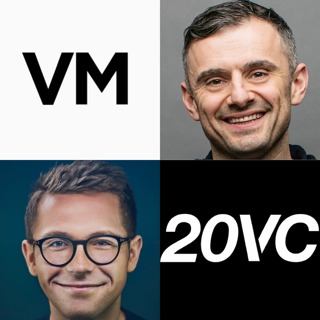
20VC: Gary Vaynerchuk on The Most Painful Lessons Learned but Why it was Good to Learn Them, Why You Have to Change the Timeframe You Have For Success, His Relationship to Money and How it Has Changed Over Time & His First 3 Angel Investments; Twitter, Fa
Gary Vaynerchuk is a serial entrepreneur and serves as the Chairman of VaynerX, the CEO of VaynerMedia and the Creator & CEO of VeeFriends. Now Gary is a content machine and documents his life as a CEO daily through his social media channels which have more than 34 million followers and garnishes over 272 million monthly impressions/views across all platforms. He is also a five-time New York Times Best-Selling Author and is a prolific angel investor with early investments in companies such as Facebook, Twitter, Tumblr, Venmo, Snapchat, Coinbase and Uber. If this was not enough, Gary serves on the board of GymShark, MikMak, Bojangles Restaurants, and Pencils of Promise. In Today's Episode with Gary Vaynerchuk We Discuss: 1.) From Wine Library to One of The Great Angels in Tech: How did Gary make the transition from scaling the wine library to $60M in revenue to angel investing in Twitter, Facebook and Tumblr? To what extent does Gary think luck plays a role in one's success today? What are Gary's biggest lessons from having FB, Twitter and Tumblr as his first investments? How has his style of angel investing changed over time? 2.) Hard Lessons Learned and Insecurity: What is the most painful lesson Gary has learned that he is also pleased to have learned? How did Gary's relationship with his father impact how he engages with his children as a father today? What are Gary's biggest insecurities today? How does he try and combat them? What works? 3.) Money and Success: How does Gary evaluate his relationship with money today? How has it changed over time? Why does Gary believe that most people think too short-term? What can one do to inspire a more long-term mindset to building? Does Gary believe that everything has a price? What is the one thing for Gary that does not have a price? 4.) Resource and Time Allocation: How does Gary determine the projects to do vs not to do? How does Gary know when to quit a new project? How does Gary advise founders on when something is not working and knowing when to quit? What are some of the biggest mistakes Gary sees founders make when it comes to resource allocation in the early days?
20 Kesä 202230min

20VC: The Scaling Story of Soho House: Overcoming Dyslexia, Building a Global Brand, Scaling into The US, Retaining Exclusivity with Scale and The Journey to Going Public with Nick Jones, Founder & CEO @ Soho House
Nick Jones is the Founder & CEO @ Soho House, it all started in 1995 when Nick opened the first location above his restaurant, Cafe Boheme, a members' club for the local artists and actors of London. Today, Soho House is a global brand, a private members club that includes 33 Houses in 14 countries, with more openings in Europe, Asia, and North America on the horizon. In 2021, Nick took Soho House public on the NASDAQ, 25 years since opening the first location. If that was not enough, Nick is also the owner of Babbington House and Cecconi's, one of my favorite restaurants in London. In Today's Episode with Nick Jones You Will Learn: 1.) The Start of Soho House: What was the founding moment for Nick with Soho House? What were the biggest lessons from his 3 prior restaurants not working? How did that experience change his approach to Soho House? Why does Nick believe resilience is the most important skill of any entrepreneur? When something is not working? What does Nick tell himself? With the rise of Instagram, how have the demands of the consumer changed over time in terms of what they expect from hospitality? 2.) The Art of Storytelling: What does Nick believe is the essence of truly great storytelling? What do all great stories contain? How do the best storytellers tell those stories? Where does Nick believe many founders make mistakes when it comes to storytelling today? 3.) The Art of Leadership: How does Nick define his style of leadership today? How has it changed over time? What does high performance mean to Nick? How does Nick think through retaining high performance while also having a family? How does Nick approach hiring? Why does Nick find interviewing so tough? How does Nick think through when to hire someone external vs promote internal talent? 4.) The Scale of Soho House: What was the single most challenging time in the scaling journey of Soho House? What changes when you go public? What are the good? What are the bad? What does Nick know now that he wishes he had known in the beginning?
17 Kesä 202226min
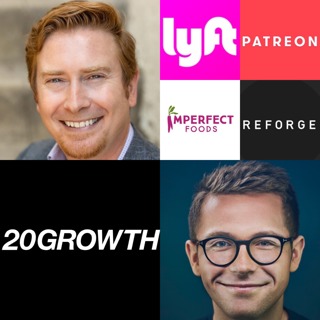
20 Growth: Viral Loops; How To Create and Sustain Them, Why Interviews for Product and Growth Hires are BS and What To Do Instead, Mastering the Onboarding Process; Structuring the First 90 Days with Adam Fishman, Former Head of Growth @ Lyft
Adam Fishman is one of the leading growth practitioners of the last decade. Most recently, Adam was the Chief Product and Growth Offer at Imperfect Foods, where Adam built a 40-person product and growth organization, responsible for 70% of overall company metrics and growing revenue by 400% in one year to $600M annually. Before Imperfect, Adam spent 4 years as VP of Product and Growth @ Patreon, driving the company pivot and rebrand and helping the company scale to $1BN GMV and $100M in revenue. Finally, before Patreon, Adam was the Head of Growth @ Lyft, Adam was the first growth and marketing employee hired, grew the team to 18 people, and reported directly to the founders. In Today's Episode with Adam You Will Learn: 1.) Entry into Growth: How Adam first made his way into the world of growth when "growth" did not exist as a function? What were Adam's biggest lessons from leading Lyft's growth team? How did that impact his mindset? What are some of Adam's biggest takeaways from his time at Patreon? What are some of the biggest mistakes he made at Patreon? 2.) The Basics: Growth 101: What and When: How does Adam define "growth" today? What is it? What is it not? When is the right time to hire your first growth hires? Should this first hire be a seasoned growth leader or a more junior growth rep? What characteristics and skill sets should this growth hire have? 3.) The Hiring Process: How should founders structure the hiring process for their first growth hire? What 3 questions should all founders ask in the hiring process for growth? How can founders use data and case studies to really test the skillsets of growth candidates? Why does Adam believe that the hiring process for growth and product is so broken? 4.) The Onboarding Process: What is the right way to structure the onboarding process for new growth hires? How should growth hires create cross-functional relationships and communication with the rest of the team? What has worked for Adam in the past? What has not? What are the signs that are new growth hire is not working? How long should they be given? What are the signs that are a new growth hire is working? What is the sign of "exceptional"? 5.) Adam Fishman: AMA: What growth decision has Adam made without data? How did it go? How does Adam define "viral loops"? What makes one better than another? Where do so many make mistakes with viral loops? Adam led the rebrand for Patreon, what is the secret to a successful rebrand? What are some of the most common pitfalls to avoid? Items Mentioned in Today's Episode with Adam Fishman Adam's Favourite Book: First 90 Days, Critical Success Strategies for New Leaders at All Levels
15 Kesä 202250min
20VC: Hubspot Co-Founder Dharmesh Shah on The 3 Risks All Startups Face, Angel Investing Rules; No Founder Meetings and No Due Diligence, SMB vs Enterprise; Lessons on Pricing, Distribution and Why You Should Resist Going Enterprise
Dharmesh Shah is the Founder and CTO @ Hubspot, a full CRM platform with marketing, sales, service, and CMS software. Dharmesh started Hubspot in 2006 and today it is a publicly-traded company (NYSE: HUBS) with over 3,500+ people and a market capitalization of $16.9 billion. Prior to founding HubSpot, Dharmesh founded Pyramid Digital Solutions, which he bootstrapped with less than $10,000 and after 11 years of CEOship, Dharmesh helped the company get acquired in 2005 by SunGard Business Systems. In addition to co-authoring "Inbound Marketing" Dharmesh founded and writes for OnStartups.com -- a top-ranking startup blog and community with more than 1,000,000 members. Finally, if all of this was not enough, he is an angel investor in over 90 startups, including Coinbase, AngelList, Gusto, Okta and many more. and a frequent speaker on startups, growth, and the business of technology. In Today's Episode with Dharmesh Shah We Discuss: 1.) The Founding of Hubspot: How did Dharmesh's wife help Dharmesh find his co-founder in Brian? What about SMB did both Dharmesh and Brian find a shared passion for? What is the single biggest mistake Dharmesh made in the early days of Hubspot? 2.) The Culture Code: What is Dharmesh's single biggest advice to founders when it comes to culture? What does Dharmesh mean when he says "you have to treat culture like a product"? What does Dharmesh mean when he says he looks for a "low ego to accomplishment ratio"? How does he test for this when hiring new hires? How do the best people approach both responsibility and accountability? How does this show in their work and behaviour? 3.) The 3 Kinds of Risk in Startups: What does Dharmesh believe are the 3 core risks all startups face in the early days? How does Dharmesh advise founders when it comes to "testing for a market"? What is the right way to do customer discovery? What are the biggest mistakes founders make in the discovery process? How does Dharmesh advise founders on when to release their second product? What is the right framework for this decision? Where do so many founders make mistakes here? How does Dharmesh approach market timing risk? What have been his biggest lessons here? 4.) SMB vs Enterprise: Why does Dharmesh believe that SMB is the single best market for founders to choose? What are the single biggest challenges with enterprise? How do the long sales cycles and contracts in enterprise hide both customer satisfaction and prevent product development? What are some of Dharmesh's biggest lessons on pricing? Does Dharmesh agree you should always "raise your prices"? How does Dharmesh advise founders on when is the right time to go into enterprise from SMB? What are the single biggest changes founders need to know when making the move from SMB to enterprise? 5.) Angel Investing 101: What are Dharmesh's rules when it comes to angel investing? What have been some of Dharmesh's biggest lessons from analysing thousands of emails to founders pre-investing? What are the biggest signs in emails of future founder success? Why does Dharmesh not have calls with founders before investing? What are some of the biggest mistakes Dharmesh has made when angel investing? Items Mentioned in Today's Episode with Dharmesh Shah: The Hubspot Culture Code Dharmesh's Favourite Book: Les Miserables
13 Kesä 20221h 4min

20VC: Why and How Traditional Venture Firms Need to Innovate, Building Spreadsheets To Figure Out Relationships to Money, Ego and Identity Management with Success and The Biggest Lessons from Working with Mark Zuckerberg in the Early FB Days with Ruchi Sa
Ruchi Sanghvi is a Founder and Partner @ South Park Commons Fund, a home for the most talented technologists, builders, and domain experts figuring out what's next. Prior to SPC, Ruchi was the first female executive at Dropbox and served as their Vice President of Operations. Prior to Dropbox, Ruchi was the first female engineer at Facebook, and was instrumental in implementing the first versions of key features like News Feed, Facebook Platform, Facebook Connect and Privacy. Ruchi has also served as a director on the board of Paytm, India's largest mobile payments platform. Prior to SPC, Ruchi was an active angel investor in 50+ companies including Gusto, Pinterest, Paytm, Brex, Figma, and Stemcentrx. In Today's Episode with Ruchi Sanghvi: 1.) From First Female Engineer To Community Leader and Fund Manager: How Ruchi made her way into the world of tech becoming the first female engineer at Facebook? What were her biggest lessons from her time at Facebook? What does Ruchi believe makes Mark Zuckerberg the special leader he is? How did Ruchi's time at Dropbox impact how she operates today? Does Ruchi agree with the Facebook motto, "move fast and break things"? 2.) Answering Life's Big Questions: Ego, Money, and Insecurity: What advice did Ruchi's father give her before he passed away that really impacted how Ruchi operates and acts in the world today? How does Ruchi assess her own relationship to money? How has it changed over time? How does she use a spreadsheet to measure her relationship to money? Having had such success so young, how does Ruchi approach ego management? When has Ruchi been arrogant in the past? How does she manage her ego today? What are Ruchi's biggest insecurities today? Why are they? 3.) Will DAOs Replace Venture Capital: How does Ruchi analyze the crypto fund landscape today? Where are the opportunities? Does Ruchi believe that large multi-stage firms can simply hire crypto partners and win in the new world of Web3 and crypto? How does Ruchi believe DAOs will disrupt the venture model today? Will DAOs displace institutional LP dollars from venture funds and be directed to DAOs? How are DAOs governed today? Who makes the decisions? How are tokens allocated? 4.) -1 to Zero: The Art of the Pick: What does Ruchi mean when she speaks of -1 to zero? What stage of company formation is this? What is the right framework by which founders should approach picking an idea to work on? How should a founder know when to give up and try a new idea? What are the most common mistakes founders make in this stage of idea picking?
10 Kesä 202244min
20 Product: Twitter's Former Head of Product, Kayvon Beykpour on How to Structure and Manage the Best Product Reviews, The Core Set of Questions to Ask All Potential Product Hires and When To Continue vs Quit on New Products
Kayvon Beykpour is one of the most prominent product leaders of the last decade. For the last 7 years, Kayvon has been at Twitter where he led all of the teams across Product, Engineering, Design, Research and Customer Service & Operations. Kayvon came to Twitter through Periscope, the live broadcasting app that raised from GV, Bessemer, Scott Belsky and was ultimately acquired by Twitter in 2015. If that was not enough, Kayvon is also an active angel investor today. In Today's Episode with Kayvon Beykpour You Will Learn: 1.) Entry into Product: How did Kayvon make his way into the world of tech and come to be Head of Consumer Product @ Twitter? What were some of Kayvon's biggest lessons from the journey with Periscope? What were some of Kayvon's biggest takeaways from working closely with Scott Belsky? 2.) Building Your Product Team: How does Kayvon advise on your first product hires? Should it be Head of Product or more junior product team members? When is the right time for the founder to hand off some core product decisions to these hires? What are the core traits and characteristics of some of the best first product hires? 3.) Perfecting the Hiring Process for Product Teams: How does Kayvon approach the hiring process for all new product team members? What are the stages? What does he look to learn at each stage? What questions reveal the most in product candidates? How do the best respond? How does Kayvon use case studies and product demos in the process? 4.) Building Product: 101: How does Kayvon approach product reviews? Who is invited? Who sets the agenda? How often? What have been Kayvon's biggest lessons about what leaders need to do to get the most from their product teams? How do they communicate? What has been one of Kayvon's biggest product mistakes? What did he learn? How does Kayvon advise founders on when to give up on a new product vs when to iterate and persist?
8 Kesä 202243min

20VC: Why DAOs Will Replace Venture Capital, What Existing Incumbent Venture Firms Can Do To Survive, The Biggest Challenges Facing New DAOs Today and Whether Web3 Will Bring More or Less Income Inequality
Ian Lee is the Co-Founder of Syndicate, a web3 startup that has raised over $28M from a16z, Kleiner Perkins, IDEO, and 300+ investors. Previously, Ian was Managing Partner of IDEO CoLab Ventures, a crypto venture fund backed by IDEO focused on web3, crypto, and blockchain startups. From 2017-2021, Ian led investments and helped incubate 80+ crypto startups in the areas of DeFi, NFTs, DAOs, and more. From 2014-2017, Ian was the Head of Crypto at Citigroup and Citi Ventures globally. Listen to our prior episode on DAOs with Avichal Garg here. In Today's Episode with Ian Lee We Discuss: 1.) Ian's Entry into Tech and Crypto: Why did Ian decide early on that he did not like being a VC? What was it that changed his mind, showing him the impact investing can have? What have been the most significant but non-obvious developments in crypto? 2.) Why DAOs Will Replace Venture Capital: Why does Ian believe that DAOs will replace venture capital firms over time? How does Ian analyze the current landscape of Web3 investing and VC? Can existing firms layer on a Web3 Partner or Fund and win in the new Web3 landscape? How will the next generation of Web3 native firms be structured? 3.) DAOs 101: What really is a DAO? What is not a DAO? How are DAOs structured? How many people are invited? Who decides who is invited? How are decisions made within DAOs? How does this differ dependent on structure? What are the single biggest challenges that DAOs face today in operations? 4.) Crypto is The Future of the Internet: What does Ian mean when he says "crypto is the future of the internet"? What does this mean for the distribution of ownership and wealth in the next generation of the internet? Do DAOs and Web3 do more to harm or hurt income inequality today? What are the drivers that would lead Web3 to centralize wealth even further? Items Mentioned in Today's Episode with Ian Lee: Ian's Fave Book: The Innovator's Dilemma: The Revolutionary Book That Will Change the Way You Do Business Ian's Fave Web3 Resources: a16z's Crypto Canon, Jesse Walden's: The Ownership Economy 2022
6 Kesä 202247min
20VC: The Most Revealing Breakdown of Unit Economics for Quick Commerce; AOVs, Retention, Delivery Costs and more, Why The Business Model is Different for Emerging Markets & Will This Be a Market of Consolidation or Many Players
Over the last 10 days, we have seen unprecedented levels of layoffs from some of the biggest quick commerce providers in the world from Getir to GoPuff to Zapp and Gorillas. Today we dive into the world of quick commerce in emerging markets to uncover what is the same and what is different about the model in emerging markets. Usman Gul is the Founder & CEO @ Airlift, one of the fastest-growing quick commerce providers in the world with core operations in Pakistan. Airlift has raised over $100M in funding from First Round, Josh Buckley, Sam Altman, and 20VC. Ralf Wenzel is the Founder & CEO @ JOKR, a unique provider in the quick commerce market with their dual operations in both the US and LATAM. They are one of the only providers to operate in both emerging and developed economies. To date, JOKR has raised over $288M from Softbank, Balderton, GGV, and Kaszek to name a few. Aadit Palicha is the Founder & CEO @ Zepto, they have taken the Indian quick commerce market by storm since their early days in YC. To date, Aadit has raised over $360M with Zepto from YC, Lachy Groom, Breyer Capital, and Rocket Internet to name a few. In Today's Episode on Quick Commerce in Emerging Markets You Will Learn: 1.) Emerging Markets vs Developed Economies: Where is Quick Commerce Best? What are the single biggest benefits for quick commerce providers in emerging markets? What are the single biggest challenges of operating quick commerce companies in emerging markets as compared to developed economies? From a cost of goods and delivery perspective, what is the single biggest difference comparing operating in emerging markets? 2.) Warehouses, Picking and Delivery: The Economics Broken Down: What % of revenue does Zepto, Airlift and JOKR spend on average for new warehouses in mature markets? How does this change over time? How do they select warehouse locations? What % of revenue is picking costs for Zepto, Airlift and JOKR? What are some needle moving things that could reduce this picking cost? What % of revenue is delivery costs for Zepto, Airlift and JOKR? What levers can make this driver efficiency and delivery cost more efficient? What % of AOV does Airlift and Zepto charge for delivery? How does Zepto leverage power users to subsidise the delivery costs for newly acquired users? Why does JOKR not agree with charging delivery fees? How does charging delivery fees impact usage, frequency and AOV? 3.) Product Selection and Margins: Who Goods Have The Highest Margins? How do Zepto, Airlift and JOKR select the products they sell? How do the margins differ across different product categories? Why is fruit and vegetable the most important category for all three providers? What other metrics are heavily impacted by large spend on fruit and vegetable spend? 4.) AOV and Customer Spend: What is Good? What is the AOV for Airlift, JOKR and Zepto today? How do new markets compare to more mature markets? What are the drivers of the increase? Why does Zepto not believe that AOV is the right metric to be tracking? Why is gross profit per order the right metric to be tracking? 5.) Additional Business Models: Advertising: How much revenue does JOKR, Airlift and Zepto make from advertising revenue today? What can be done to increase this? How have JOKR been able to scale advertising revenue in such a short space of time? What has worked? What has not worked? How important is advertising revenue to the future sustainability of the business model?
1 Kesä 202252min