
Coronavirus Immunity, Ask A Cephalopod Scientist. August 28, 2020, Part 1
Science Friday28 Elo 2020

Coronavirus Immunity, Ask A Cephalopod Scientist. August 28, 2020, Part 1

How well you fare in fighting a new pathogen like SARS-CoV2 depends in large part on how your immune system responds to—and kills—the virus. The immune system’s job is to protect you from invasions, both right after you’re infected as well as when you encounter similar viruses in the future.

As the pandemic marches on, we still don’t know exactly how our immune systems tackle this virus. The people who get the sickest seem to have an exaggerated, but ineffective immune response that turns on their own bodies. Others have lasting symptoms, sometimes for months. Immune responses even seem to vary based on your sex.

Increasingly, research suggests that COVID-19 is a disease like many others, at least in some important ways. Your body remembers the virus, and may therefore fight it more effectively the next time you encounter it—which has big implications for eventually developing an effective vaccine.

Immunobiologist Deepta Bhattacharya and New York Times science journalist Katherine J. Wu talk to Ira about the complicated and varied response of the immune system to SARS-CoV2—and why current research suggests we can be optimistic about gaining long-lasting immunity from future COVID-19 vaccines.

Plus, cephalopods—mollusks like octopus, squid, and cuttlefish—seem to universally excite people. Many marine enthusiasts have a favorite, from the color-changing octopus to the multi chambered nautilus.

But these smart, colorful undersea creatures also raise a lot of questions. How do they move? How do they change shape and color? How intelligent are they? How do researchers study these animals?

Squid biologist Sarah McAnulty answers listeners’ questions, and catches us up on the latest cephalopod news.

And Hurricane Laura made landfall Wednesday night in Louisiana after strengthening from a Category 1 to a Category 4 storm in less than a day. As residents try to find shelter in pandemic-safe ways, meteorologists are warning of an “unsurvivable” storm surge reaching as far as 30 miles inland.

National Geographic editor Nsikan Akpan describes the factors that have caused the storm to so quickly gain strength. Plus, why recent changes to the Centers for Disease Control and Prevention recommendations on who should get a coronavirus test and when people should quarantine are alarming epidemiologists and other experts—and other news from the week.

Subscribe to this podcast. Follow our show on Instagram, TikTok, Facebook, and Bluesky @scifri and sign up for our newsletters. Got a science question that’s keeping you up at night? Call us: 877-472-4374


Hosted by Simplecast, an AdsWizz company. See pcm.adswizz.com for information about our collection and use of personal data for advertising.

Tämä jakso on lisätty Podme-palveluun avoimen RSS-syötteen kautta eikä se ole Podmen omaa tuotantoa. Siksi jakso saattaa sisältää mainontaa.

Jaksot(1381)

What can moments of lucidity teach us about Alzheimer’s?

What can moments of lucidity teach us about Alzheimer’s?

Watching a loved one with Alzheimer's or dementia slowly lose their cognitive abilities can be heartbreaking. While the person you once knew seems to be slipping away, sometimes people with Alzheimer'...

18 Elo 17min
Colorado’s snow drought deals a major blow to recreation

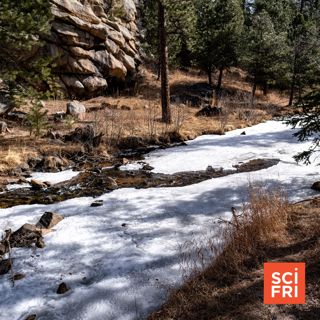
Colorado’s snow drought deals a major blow to recreation

Winter in Colorado looked very different this year. Many parts of the state experienced record-high temperatures and record-low snowpack, which had downstream effects on farming, sports, tourism, and ...

17 Elo 11min
How do you find a ‘lost’ species?

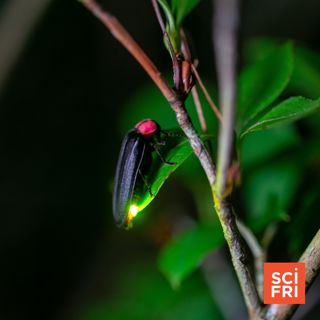
How do you find a ‘lost’ species?

The earth is facing a biodiversity crisis, and there’s a lot of attention on species that are threatened, or at risk of dying out completely. But, there’s another critter category that’s a little more...

14 Elo 18min
What we get wrong about vaccine hesitancy

What we get wrong about vaccine hesitancy

President Trump has signed an executive order calling for a change to the childhood vaccination schedule. Specifically, he wants to separate the MMR vaccine, which protects against measles, mumps, and...

13 Elo 12min

Why this lab studies the speed of bug pee and other curiosities

Why this lab studies the speed of bug pee and other curiosities

In a lab in the Rocky Mountains, a group of scientists is hard at work trying to find answers across biology, physics, and engineering: They’re looking into things like the hydrodynamics of insect pee...

12 Elo 18min
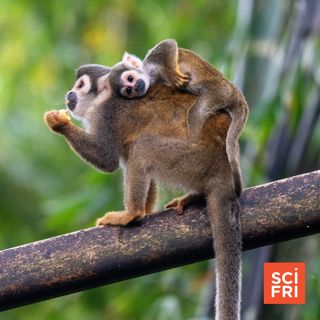
Some primates undergo even more extreme childbirth than humans

Some primates undergo even more extreme childbirth than humans

Human childbirth is often difficult and incredibly painful—just ask anyone who’s been through it. And for a long time, childbirth seemed to be uniquely difficult for humans. But a new study suggests t...

11 Elo 11min
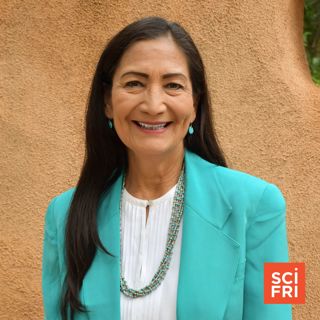
Deb Haaland is a politician, and proud of it

Deb Haaland is a politician, and proud of it

Former Interior Secretary Deb Haaland, a member of the Laguna Pueblo tribe, was the first Native person to hold a cabinet position. Now she’s running to be governor of New Mexico.  Haaland joins Host ...

10 Elo 17min

Sitting all day is terrible for us. Moving a little can help

Sitting all day is terrible for us. Moving a little can help

Keeping your butt in a seat for hours a day increases the risk of heart attacks, diabetes, psychiatric conditions, and more. But in our tech-filled world, many of us lead sedentary lives, whether beca...

7 Elo 18min

Suosittua kategoriassa Tiede

rss-poliisin-mieli
tiedekulma-podcast
rss-mita-tulisi-tietaa
rss-tiedetta-vai-tarinaa
utelias-mieli
rss-kasvikutsut
filocast-filosofian-perusteet
rss-ranskaa-raakana
rss-ylistys-elaimille
rss-ammamafia
rss-astetta-parempi-elama-podcast
mielipaivakirja
hippokrateen-vastaanotolla
rss-duodecim-lehti
rss-tervetta-skeptisyytta
rss-radplus