

Investigators Just Leaked NEW Bombshell Forensic Evidence in D4VD - Celeste Rivas Case
This case just ripped open in a way nobody was prepared for. New reporting from multiple major outlets—citing law-enforcement sources with direct knowledge—now suggests investigators are dealing with something far darker, far more deliberate, and far more coordinated than anyone understood when 15-year-old Celeste Rivas Hernandez was first found inside a Tesla registered to rising music artist D4vd. According to these sources, forensic findings reportedly show indicators consistent with dismemberment and possible freezing or refrigeration before Celeste’s remains were placed in the vehicle. These claims have not been confirmed publicly by LAPD or the medical examiner, but they have been repeatedly reported through investigators speaking privately to outlets like People, NBC4, ABC7, and The Houston Chronicle. And if those reports are accurate, they change everything about how this case is being viewed. Investigators now reportedly believe Celeste may have died months earlier, possibly as far back as spring 2025, based on decomposition indicators described by these sources. Some insiders say this aligns with the possibility that the body may have been stored elsewhere before being transported. And several outlets are reporting that investigators suspect multiple people may have been involved in the concealment process. People Magazine is reporting—again, citing law-enforcement insiders—that the artist has not cooperated with investigators. LAPD has not said that publicly, but if that is what detectives believe privately, it explains the escalation. This episode breaks down everything we now know from these new reports: the forensic bombshells, the rewritten timeline, the multi-suspect angle, the surveillance investigators are analyzing, and what all of this means for where the case goes next. Celeste deserved far better than what happened to her. And now, according to the people closest to this investigation, we’re finally beginning to understand just how dark this story really is. #CelesteRivas #HiddenKillers #TrueCrime #D4vd #CrimeUpdate #Investigation #CrimeNews #ForensicAnalysis #Podcast #JusticeForCeleste Want to comment and watch this podcast as a video? Check out our YouTube Channel. https://www.youtube.com/@hiddenkillerspod Instagram https://www.instagram.com/hiddenkillerspod/ Facebook https://www.facebook.com/hiddenkillerspod/ Tik-Tok https://www.tiktok.com/@hiddenkillerspod X Twitter https://x.com/tonybpod Listen Ad-Free On Apple Podcasts Here: https://podcasts.apple.com/us/podcast/true-crime-today-premium-plus-ad-free-advance-episode/id1705422872
24 Marras 202519min
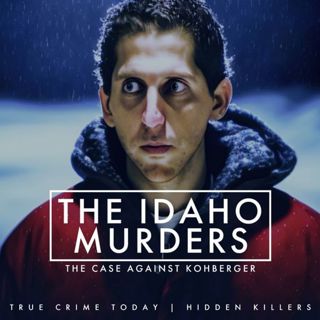
The 13+ Bryan Kohberger Red Flags Nobody Stopped: Inside the WSU Warnings
Before the murders ever happened… long before the headlines, the courtroom footage, and the national spotlight… there was Washington State University. And inside that department, there was a trail. A documented pattern of complaints, warnings, meetings, and uncomfortable conversations all centered around one graduate student: Bryan Kohberger.Tonight on Hidden Killers, we walk through that trail — not with speculation, but with the actual documented behavior that students and faculty reported in real time. The staring. The boundary violations. The gender-based hostility. The “creepy” interactions people whispered about in hallways. The emails students sent with “911” in the subject line. The faculty members who openly worried about his escalating conduct. The office where grad students started keeping a tally board just to track his outbursts. And the mandatory behavioral training the department held, which insiders say was triggered by one person.This episode isn’t about assigning responsibility for the Idaho murders to a university. It’s about the uncomfortable, unavoidable question raised by Kaylee Goncalves’ family: How many red flags does it take before an institution says, “This is not just a behavioral problem — this is a safety problem”?We break down the full timeline of disciplinary actions WSU took, the warnings they issued, and the gradual escalation that eventually led to Kohberger’s removal as a TA — weeks after the murders. We also examine what universities can realistically do, what their limits are, and why so many institutions downplay patterned behavior right up until it becomes catastrophic.This is the conversation no one wants to have, but every victim’s family is forced to confront: when the warning signs were documented, discussed, and recognized… why didn’t they change anything?Join us as we follow the red flags to their uncomfortable conclusion.#HiddenKillers #BryanKohberger #WSU #TrueCrimeNews #IdahoCase #KayleeGoncalves #CrimeAnalysis #LegalDebate #SafetyFailures #TrueCrimeCommunityWant to comment and watch this podcast as a video?Check out our YouTube Channel. https://www.youtube.com/@hiddenkillerspodInstagram https://www.instagram.com/hiddenkillerspod/Facebook https://www.facebook.com/hiddenkillerspod/Tik-Tok https://www.tiktok.com/@hiddenkillerspodX Twitter https://x.com/tonybpodListen Ad-Free On Apple Podcasts Here: https://podcasts.apple.com/us/podcast/true-crime-today-premium-plus-ad-free-advance-episode/id1705422872
24 Marras 202523min
Did WSU Miss the Bryan Kohberger Red Flags? Ret FBI Robin Dreeke Explains
Tonight on Hidden Killers Live, we’re cutting straight through the fog that has surrounded Washington State University’s handling of Bryan Kohberger’s behavioral complaints — and we’re doing it with retired FBI Special Agent Robin Dreeke, one of the most respected behavioral experts in the country.This isn’t about blaming people who didn’t have a crystal ball. This is about understanding what behavioral red flags actually are. Before a single crime is committed, before there’s a police report, before anyone can articulate what’s wrong — humans pick up patterns. They feel unsafe. They sense boundary-violating behavior. They feel instincts firing long before the conscious mind can put language to it. And that’s not “overreacting.” It’s evolution.WSU had multiple complaints, private warnings between women, faculty concerns, documentation, meetings, and a mandatory behavioral intervention. Yet the university treated it all like an HR issue instead of a threat-assessment problem. Tonight, Robin breaks down why that distinction matters — and how institutions all over the country make this same mistake.We explore why academia is uniquely vulnerable to minimizing threat indicators, why “but he’s never been violent” is a meaningless metric when evaluating patterned behavior, and why institutions often freeze instead of act. Stacy brings in insights from The Gift of Fear, examining the neuroscience behind the “gut feeling” that so many women reported.And then we tackle the paradox: how do you protect a community when the person at the center hasn’t committed a crime? Where’s the line between rights and risk? And what should universities be trained to recognize that they currently aren’t?This is one of the most important conversations we’ve had — not about predicting crime, but about seeing what institutions are terrified to acknowledge.Subscribe for more deep-dive analysis — only on Hidden Killers.#HiddenKillers #RobinDreeke #WSU #BryanKohberger #BehavioralAnalysis #ThreatAssessment #CampusSafety #TrueCrimeLive #TonyBrueski #RedFlagsWant to comment and watch this podcast as a video?Check out our YouTube Channel. https://www.youtube.com/@hiddenkillerspodInstagram https://www.instagram.com/hiddenkillerspod/Facebook https://www.facebook.com/hiddenkillerspod/Tik-Tok https://www.tiktok.com/@hiddenkillerspodX Twitter https://x.com/tonybpodListen Ad-Free On Apple Podcasts Here: https://podcasts.apple.com/us/podcast/true-crime-today-premium-plus-ad-free-advance-episode/id1705422872
24 Marras 202524min