Nakba #26 - Assad Ammya
Överlevarna31 Des 2025

Nakba #26 - Assad Ammya

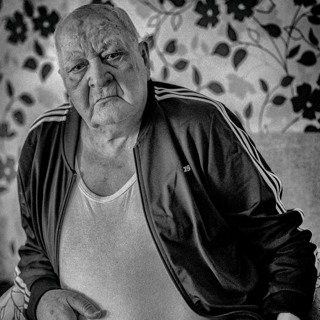
“We lived in a small house on Mount Carmel. It was a mixed area with Muslims and Jews. My father worked at a cigarette factory and also sold olive oil. My brother started working at Spinneys supermarket, which was owned by a couple of Englishmen. I had seven Jewish friends in the neighborhood who sometimes came over to our home. Cohen later became a police chief under the British. Another was named Shabbatai Levi, one was Spector, and a girl was named Sternheim. My mother invited everyone to eat. She baked bread, boiled eggs with onion skins so they turned brown, and served cheese and yogurt. We spoke Hebrew with one another. My grandfather made Arabic coffee that lasted the whole day. Cohen’s father used to come and drink coffee with my father. The girl Sternheim worked in a flower shop. ‘I will protect you,’ she said. ‘I will come and get you wherever you are. Call me and I will come. Don’t be afraid.’ I still remember her phone number: 3917.” (begins to cry) I had just turned 13 and worked at a café in central Haifa. The owner was named Siegel. He spoke only German. Jochanan also worked at the café, and we became friends. One day Jochanan was hit by a British military jeep. The driver was drunk. Jochanan was taken to the hospital but died four days later. I wanted to attend his funeral but couldn’t because I had nothing to cover my head with. I stood at the entrance to the cemetery and cried. ‘Is he your brother?’ a man asked. ‘No, he’s my friend, but he was like a brother.’ The man gave me a kippah with a Star of David on it so that I could approach the grave.” “The first time I noticed unrest was when the Stern Gang blew up a car outside the British police station in Haifa. That was in early 1947. We moved to Kababir in Haifa, where only Muslims lived. My brother-in-law Ibrahim drove us in his car. We rented an apartment. But after a while it didn’t feel safe in Kababir either, so we moved on to al-Tira, south of Haifa, where we owned a house. Al-Nakba began when the Haganah blew up 16 houses in al-Tira. Assad al-Bardan, one of our neighbors, went out at night with a lamp to see what was happening. He was shot. There were air raids at night. People were afraid to sleep in their homes and sought refuge in olive groves and caves. On the last day, before we fled, the shooting was constant. Only my brother and I were at home. My parents were hiding in a cave, but we didn’t know where. We went outside to see what was happening. ‘What are you doing here?’ a man asked. ‘Everyone has already fled.’” “We didn’t know where to go. We were from Mount Carmel and didn’t know the surroundings of al-Tira. We were afraid. We left our house when the moon had risen and saw about 50 Jewish soldiers entering al-Tira. We lay down on the mountain so as not to be discovered. As we continued walking, we met Muhammad and Afu. They showed us the way to ‘Ain Hawd. It was dawn when we arrived, but bombs were falling, so we continued south. After three hours we reached Ijzim. There we met our oldest brother, who gave us each a cigarette. Our brother paid a man to guide us out of Ijzim toward Nablus in the West Bank. There they gave us breakfast and water, and there we finally found our mother and one of her sisters. Together we continued to Jordan. There was little water. After a couple of months, a truck took us to Duma, outside Damascus in Syria. We and about ten other families were allowed to stay in a mosque. They divided a hall with blankets where we lived. We stayed there for four or five months. Then the whole family was reunited again—except for one of my brothers, Ahmed, who was imprisoned in Palestine. I lived in Syria for 36 years. I came to Sweden in 1980.”

Denne episoden er hentet fra en åpen RSS-feed og er ikke publisert av Podme. Den kan derfor inneholde annonser.

Episoder(323)

Det judiska Högalid #29 - Arek Folkman 1975

Det judiska Högalid #29 - Arek Folkman 1975

Inspelning med Rikard Folkmans förälddrar, Arek och Eva Folkman. Arek berättar som sina upplevelser under andra världskriget. Han bevittnade de tyska truppernas intåg i Lwów (Lemberg), levde under sov...

24 Jan 1h
Det judiska Högalid #28 - Rikard Folkman

Det judiska Högalid #28 - Rikard Folkman

- Jag började Hillelskolan för att bli mer judisk, men jag kände mig ensam. Jag åt skinka hemma. Det berättade jag aldrig. Jag kände mig ensam ända fram till högstadiet, då jag bytte skola, säger Rika...

23 Jan 1h 44min
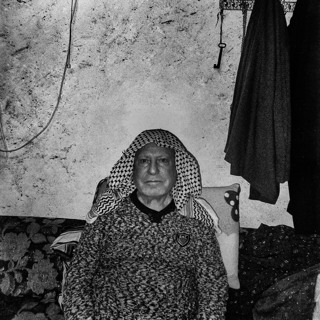
Nakba #52 - Muhammad Mustafa al-Najjar

Nakba #52 - Muhammad Mustafa al-Najjar

1948 “The Egyptian army came to our aid. They were 6,000 men. Our house was located on high ground, and we had a clear view of the Jewish settlement of Gat. The Egyptian commander demanded to take ove...

21 Jan 55min
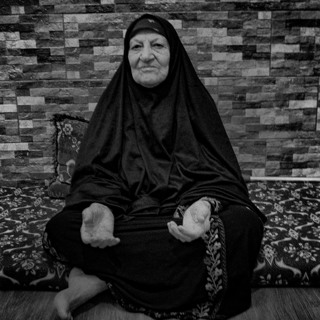
Nakba #51 - Rasmiya ‘Abdalrahman

Nakba #51 - Rasmiya ‘Abdalrahman

1949 “The Jews tried to force us to leave the village and go away, either toward al-Khalil (Hebron) or the Gaza Strip. But we refused. We said that we would rather be buried in ‘Iraq al-Manshiyya. The...

21 Jan 47min
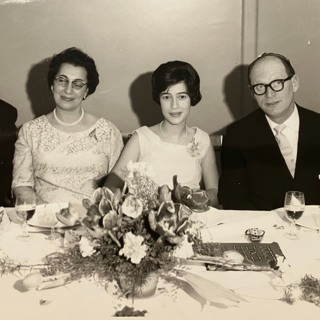
Det judiska Högalid #27 - Renée Hirschfelds bat mitzva-tal

Det judiska Högalid #27 - Renée Hirschfelds bat mitzva-tal

- När jag tagit min bat mitzva håller jag ett tal i synagoga, om vad en judisk kvinna ska göra. Efteråt spelade vi in en skiva med talet i konserthuset. När lampan lyste grönt skulle man tala, säger R...

16 Jan 11min
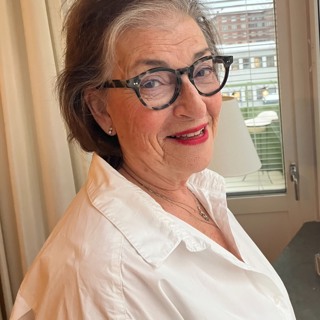
Det judiska Högalid #26 - Renée Hirschfeld

Det judiska Högalid #26 - Renée Hirschfeld

- Som flicka kommer jag ihåg på Jom Kipur, i synagogan på söder. Det var tungt. Uppe på damläktaren satt kvinnor som överlevt Förintelsen och bara grät och grät. Jag tyckte det var obehagligt. säger R...

16 Jan 1h 31min
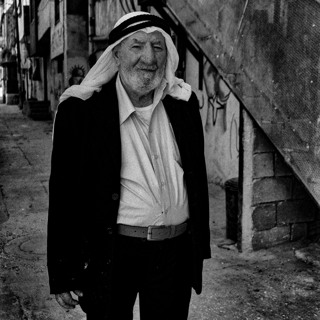
Nakba #50 - Hassan Muhammad al-Ja‘abari

Nakba #50 - Hassan Muhammad al-Ja‘abari

1941 “On the eastern side, up toward the mountain, we had planted olive trees and almond trees. On the western side, close to the coast, we grew wheat, corn, and other grains. To the north was the Jew...

15 Jan 59min
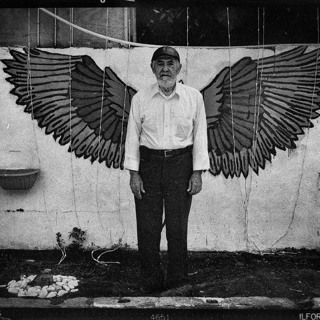
Nakba #49 - Nabil Sa‘id al-Kurd

Nakba #49 - Nabil Sa‘id al-Kurd

“In 1954, UNRWA reached an agreement with Jordan, which at the time governed East al-Quds, to build 28 houses in Sheikh Jarrah. We were one of the families who were to live there, and when the houses ...

15 Jan 1h 7min

Populært innen Fakta

fastlegen
dine-penger-pengeradet
rss-bisarr-historie
relasjonspodden-med-dora-thorhallsdottir-kjersti-idem
rss-strid-de-norske-borgerkrigene
foreldreradet
treningspodden
jakt-og-fiskepodden
rss-kunsten-a-leve
mikkels-paskenotter
rss-sunn-okonomi
sinnsyn
hverdagspsyken
rss-kull
rss-sarbar-med-lotte-erik
gravid-uke-for-uke
hagespiren-podcast
rss-bak-luftfarten
fryktlos
rss-impressions-2