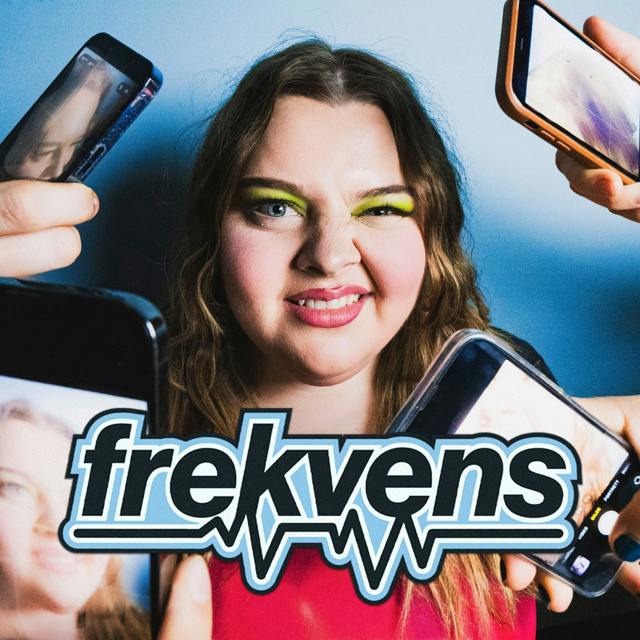
28. Why ADHD still feels so hard - even when you understand it

28. Why ADHD still feels so hard - even when you understand it

ADHD is being talked about more than ever. But for many, life still feels harder than it should. Even with a diagnosis there can be a lingering sense of “Why is life still so difficult?”

In this episode, Sonia speaks with ADHD coach Alex Campbell, to find out what we’re missing.

Alex says ADHD brains are motivated by interest, not importance. But the world expects the opposite, and that’s the where issues arise.

People often develop hidden systems to try to meet life’s demands - hypervigilance, hyper-independence and a harsh inner-critic. But these come at a cost. Their are high rates of burnout and exhaustion for those with ADHD.

This conversation explores a different way forward: understanding how your brain works, and learning how to work with it, rather than constantly pushing against it.

In this episode:

  • How interest acts as the fuel for focus and executive function
  • Why simple tasks can feel disproportionately hard to start
  • How the brain creates stimulation when things feel boring
  • Negative interest: why anxiety and urgency often become the default fuel
  • The hidden coping systems (hypervigilance, masking, hyper-independence)
  • The role of the inner critic
  • The long-term cost: exhaustion, stress and burnout
  • Internal vs external hyperactivity.
  • ADHD and emotional intensity
  • Spiky strengths: brilliant in some areas, challenged in others
  • Practical ways to begin working with your ADHD brain, rather than against it
  • The value of connection
  • Identifying strengths, and using them to get activated

Guest: Alex Campbell ADHD Coach
Alex’s book ADHD… Now What? Is available here.

Resources:
VIA Character Strengths
ADHD NZ

No Such Thing as Normal is made with the support of NZ On Air

See omnystudio.com/listener for privacy information.

Denne episoden er hentet fra en åpen RSS-feed og er ikke publisert av Podme. Den kan derfor inneholde annonser.

Episoder(36)

35. Neurodiversity in Aotearoa: How are we doing?

35. Neurodiversity in Aotearoa: How are we doing?

In the past decade, neurodivergence has become far more visible in Aotearoa. But awareness is not the whole story - the real question is whether neurodivergent people and their whānau feel truly seen ...

15 Mai 44min

34. Mental health, medication and neurodivergent burnout

34. Mental health, medication and neurodivergent burnout

Anxiety, depression, chronic stress and low self-esteem are common co-occurring conditions for many neurodivergent young people. But are these struggles caused by neurodivergence itself, or by trying ...

8 Mai 36min

33. What can science tell us about neurodivergent brains?

33. What can science tell us about neurodivergent brains?

If you - or your child - is neurodivergent, it can often feel like the world doesn’t always take you seriously. The challenges might be huge, but they’re largely invisible, and often unpredictable. S...

1 Mai 40min

32. ADHD and Perimenopause:  The Perfect Storm

32. ADHD and Perimenopause: The Perfect Storm

For many women, perimenopause brings more than just hot flushes. The impact on their cognition and mood is so extreme it feels like the chair has been pulled out from under them. Strategies that once...

24 Apr 43min

31. Gender diversity & neurodiversity: Understanding the intersection

31. Gender diversity & neurodiversity: Understanding the intersection

Neurodivergent young people are more likely to question their gender identity, and it can be a confusing and confronting time. Not just for the individual, but also for their loved ones. The support a...

17 Apr 43min

30. Neurodiversity at work: why traditional workplaces fail ‘different thinkers’

30. Neurodiversity at work: why traditional workplaces fail ‘different thinkers’

Why do so many neurodivergent people struggle in the workplace; even when they are highly capable? In this episode, Sonia speaks to workplace strategist Rich Rowley about why modern workplaces value o...

10 Apr 35min

29. Is there real hope for Obsessive Compulsive Disorder?

29. Is there real hope for Obsessive Compulsive Disorder?

Isabella* is just 22, but she’d been living with severe contamination OCD for eight years. It had taken over her life - touching people, objects, even parts of her own home, felt dangerous. Every inte...

3 Apr 48min

Populært innen Samfunn

rss-spartsklubben
giver-og-gjengen-vg
aftenpodden
aftenpodden-usa
popradet
rss-nesten-hele-uka-med-lepperod
konspirasjonspodden
rss-henlagt-andy-larsgaard
bokmerket-2
rss-espen-lee-usensurert
wolfgang-wee-uncut
fladseth
grenselos
rss-dette-ma-aldri-skje-igjen
lydartikler-fra-aftenposten
min-barneoppdragelse
alt-fortalt
rss-dannet-uten-piano
rss-siktet
synnve-og-vanessa