BIND Recovery: Why Amitriptyline Could Be Making Symptoms Worse
That sleep med your doctor gave you for benzo withdrawal? Amitriptyline might actually be making things worse. Here's the surprising reason. Your brain is trying to heal its GABA receptors, a process ...
15 Jul 7min
Pregabalin Withdrawal: Why Australian ERs Are Seeing Double the Cases
Pregabalin withdrawal is one of Australia's most under-diagnosed clinical emergencies — and most doctors still don't recognise it. Emergency departments are reporting a 200% increase in presentations ...
8 Jul 7min
Opioid Withdrawal: Why Symptoms Follow This Exact Pattern
Understand the true opioid withdrawal timeline and why symptoms are not linear. Dr. Ferghal Armstrong clarifies the science behind how your brain reacts during recovery.Many people mistakenly believe ...
1 Jul 8min
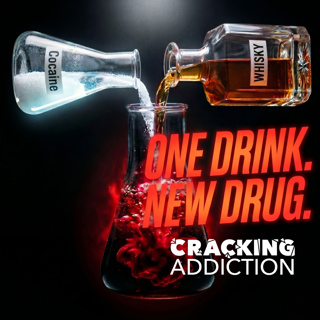
Your Body's Deadliest Reaction to Cocaine and Alcohol
Mixing cocaine and alcohol creates cocaethylene, a deadly substance 25 times more toxic than cocaine alone. Learn the risks here.Most cocaine users are unaware that combining these two substances trig...
24 Jun 7min
Meth Withdrawal — Why It Takes 6 Months to Feel Normal Again
Why does meth withdrawal take 6 months when alcohol withdrawal takes days?It's all about dopamine depletion and neuroplasticity 🧠Dr. Ferghal breaks down:• The 3-phase withdrawal timeline• What happen...
27 Mai 6min
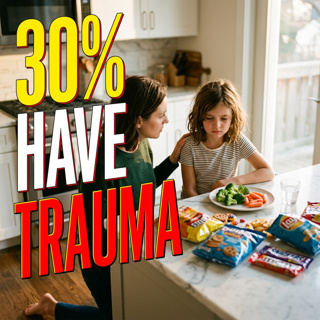
Childhood Obesity: Why 30% of Kids We Help Have Food Trauma Issues
30% of kids with excess weight that we help have trauma-based eating patterns. That's not willpower failure — that's biology. When children experience domestic violence, financial stress, or emotional...
20 Mai 16min

Binge Drinking: The Hidden Truth About Weekend Warriors
MYTH: You need to hit 'rock bottom' to recover from addiction. But here's what addiction specialist Dr. Ferghal Armstrong's guest Tom reveals: his worst moment wasn't losing everything – it was waking...
13 Mai 21min
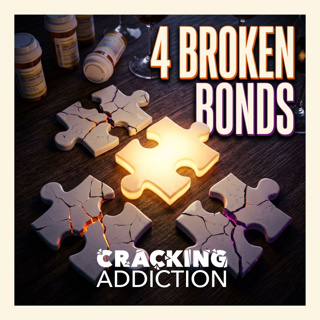
Attachment Issues Cause Addiction - 4 Types That Lead to Drugs
Think trauma only happens from big events like car crashes? Wrong. Dr. Ferghal here with a myth-bust that'll change how you see childhood forever.The biggest trauma isn't what you think — it's relatio...
6 Mai 24min