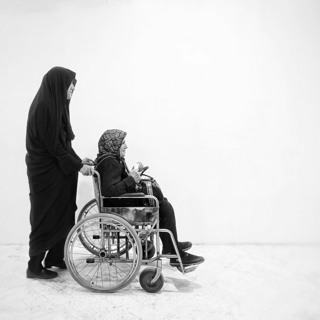
“A number that learned how not to scream”: the case for community-led metrics on protection

“A number that learned how not to scream”: the case for community-led metrics on protection

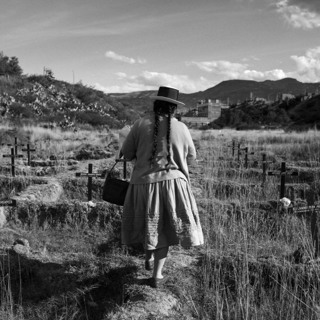
The international humanitarian system has built a sophisticated architecture for the protection of civilians, namely political resolutions, cluster coordination mechanisms, reporting frameworks, and accountability tools. Yet when conflict-affected people are asked directly whether they feel protected, or whether they trust the actors claiming to protect them, the answer is frequently at odds with the system’s own assessments. Despite commitments under the Grand Bargain to center local actors and affected communities, research consistently reveals a persistent gap between how humanitarian actors evaluate their own performance and how affected communities experience it. In this post, part of our ongoing series “Delivering for people in an evolving humanitarian landscape,” Imane Karimou argues that humanitarian protection faces a trust and legitimacy crisis that cannot be resolved through better coordination or increased funding alone. Drawing on community perception research and the experience of community-centered protection frameworks, she makes the case for reorienting how the system evaluates success, measuring protection through community-reported experiences of safety, trust, and dignity, rather than through system-generated indicators and outputs.

Denne episoden er hentet fra en åpen RSS-feed og er ikke publisert av Podme. Den kan derfor inneholde annonser.

Episoder(300)

Amplifying Pacific voices: the region’s crucial role in advancing IHL

Amplifying Pacific voices: the region’s crucial role in advancing IHL

Pacific Island states have long demonstrated leadership in promoting peace, disarmament, and humanitarian values. From traditional customs that reflect principles contained in contemporary internation...

2 Jul 15min

The shelter that shone in the distance | Written and Performed by Mamuch Bey

The shelter that shone in the distance | Written and Performed by Mamuch Bey

For the world's more than 120 million forcibly displaced people, the idea of refuge is not an abstraction – it is a horizon, an act of imagination, and sometimes the only thing that keeps hope alive. ...

18 Jun 4min
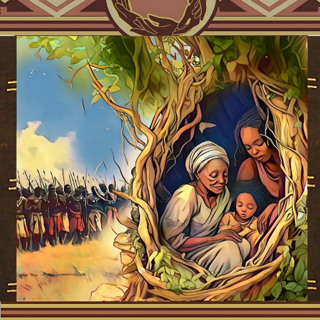
African traditions and the protection of children in armed conflict

African traditions and the protection of children in armed conflict

Across Africa, norms regulating the conduct of hostilities long predate the codification of modern international humanitarian law (IHL). The ICRC Tool on African traditions and the preservation of hum...

16 Jun 12min

We helped individuals while harming persons: what conflict-affected communities deserve beyond beneficiary status

We helped individuals while harming persons: what conflict-affected communities deserve beyond beneficiary status

Conflict and displacement do more than destroy homes, livelihoods, and infrastructure. They also fracture the social relationships through which people sustain dignity, identity, and collective life. ...

11 Jun 14min

Climate resilience is not optional: what people in fragile, urban settings should expect from WASH

Climate resilience is not optional: what people in fragile, urban settings should expect from WASH

Climate change is intensifying water insecurity in fragile urban settings, where ageing infrastructure, rapid urbanization, and inequality already strain access to essential services. In Peshawar, Pak...

9 Jun 18min

Life teaches before school does: the invisible curriculum of the super child

Life teaches before school does: the invisible curriculum of the super child

Refugee education is often framed in terms of access, infrastructure, and policy – but for children who grow up inside camps, meaningful learning begins long before they enter a classroom. It unfolds ...

4 Jun 12min

Why Africa should act now on explosive weapons in populated areas: Malawi’s case for action

Why Africa should act now on explosive weapons in populated areas: Malawi’s case for action

Across contemporary armed conflicts, the use of explosive weapons in populated areas (EWIPA) has emerged as one of the gravest threats to civilians. Urban centres are increasingly sites of hostilities...

28 Mai 13min

Populært innen Politikk og nyheter

giver-og-gjengen-vg
aftenpodden
aftenpodden-usa
fotballpodden-2
forklart
popradet
stopp-verden
det-store-bildet
lydartikler-fra-aftenposten
rss-gukild-johaug
hanna-de-heldige
dine-penger-pengeradet
rss-ness
aftenbla-bla
e24-podden
rss-espen-lee-usensurert
rss-penger-polser-og-politikk
ta-dokumentar
nokon-ma-ga
grasoner-den-nye-kalde-krigen