S8, Ep 73: REDUX: The Fight for Our Future: Land Tawney on Grassroots Advocacy and Public Lands

S8, Ep 73: REDUX: The Fight for Our Future: Land Tawney on Grassroots Advocacy and Public Lands

Episode Overview

This award-winning episode of The Articulate Fly, which took 1st place in the 2026 Outdoor Writers Association of America (OWAA) Excellence in Craft awards (Radio/Podcast: Conservation), features outdoorsman, conservationist and grassroots organizer Land Tawney on how hunters and anglers can protect America's public lands and waters. Recorded in Fall 2025, the conversation pairs Land's nearly 30 years of conservation advocacy with a candid assessment of what he calls the most serious threat to public lands he has seen in his career. Raised in Missoula, Montana, Land traces his conservation ethic to childhood float trips during the Big Hole River salmonfly hatch, his parents' work as full-time conservation lobbyists at the state legislature and mentors including fisheries biologist and author Jim Posewitz. He breaks down the three ingredients that helped grow Backcountry Hunters & Anglers to roughly 40,000 members across political lines (fun, an open path to volunteer leadership and standing for something) and explains how to coach empowered volunteers without breaking them. Land then introduces American Hunters and Anglers Action Network, a 501(c)(4) that can lobby without the limits placed on 501(c)(3) groups and engage directly in elections. He lays out a "dismantle, defund, divest" framework for current threats, from a proposed mine just south of Minnesota's Boundary Waters Canoe Area Wilderness to oil drilling in the Arctic National Wildlife Refuge and the Ambler Road through Alaska's Brooks Range. Finally, he makes the case for responsible development and principled compromise, citing the Land and Water Conservation Fund and Montana's Blackfoot Valley as models. It is essential listening for any angler who wants a real voice in the future of the waters they fish.

Key Takeaways
  • Why grassroots action is the most accessible way for busy anglers to influence conservation policy and how pressure from the field gives lobbyists leverage at the negotiating table in Washington, D.C.
  • How fun events, an open path to volunteer leadership and a consistent stand for the resource helped Backcountry Hunters & Anglers build an unusually broad coalition of hunters and anglers.
  • How to coach empowered volunteers after a misstep rather than holding them back, and why Land would rather rein in a running horse than coax one out of the barn.
  • When to lean in on an issue, with maximum effort reserved for bedrock fights such as the sale of public lands and attacks on the Clean Water Act that affect everyone.
  • Why the difference between 501(c)(3) and 501(c)(4) organizations determines who can lobby without limits and engage in elections, and how American Hunters and Anglers Action Network complements groups like Trout Unlimited.
  • How to recognize the "dismantle, defund, divest" pattern behind current threats to public lands and waters, from agency staffing cuts to land sale proposals.

Locations & Species

Land's fishing roots run through southwest Montana, where float trips during the Big Hole River salmonfly hatch shaped his earliest memories and mentor Dale Burk's favorite pattern, the Golden Stone, proved its worth even when salmonflies were on the water; Marvin recalls hitting the same hatch on the upper Madison River with his young son. The conservation discussion spans the 640 million acres of public lands Americans own, with particular focus on the Boundary Waters Canoe Area Wilderness in northern Minnesota, the caribou and salmon habitat of the Arctic National Wildlife Refuge and the proposed 210-mile Ambler Road through Alaska's Brooks Range, which would cross 11 rivers and roughly 3,000 streams. Land points to Wyoming's oil and gas fields as a cautionary tale for mule deer and pronghorn migrations and to Montana's Blackfoot Valley as a model of collaborative compromise among timber companies, ranchers, hunters, anglers and recreationists. He also notes that roughly 70% of Montana's fishing access sites were funded through the Land and Water Conservation Fund, a direct link between federal conservation policy and the places anglers actually fish.

FAQ / Key Questions AnsweredWhat is the difference between a 501(c)(3) and a 501(c)(4) conservation organization?

Land explains that 501(c)(3) groups such as Trout Unlimited, Backcountry Hunters & Anglers, the Rocky Mountain Elk Foundation and Ducks Unlimited can devote only a limited portion of their budgets (he cites 20%) to grassroots and direct lobbying and cannot engage in electoral politics. A 501(c)(4) like American Hunters and Anglers Action Network can lobby full time and work to elect or unseat candidates based on their conservation records. Land sees the roles as complementary: the 501(c)(4) builds pressure from the grassroots so 501(c)(3) organizations can walk into the room and make the deals.

Why should anglers get involved in grassroots conservation advocacy?

Land argues that grassroots action is the easiest way for people with careers and limited time to make a difference, because it lets you "do what you can with what you got, where you are." Noise from the field is what gives lobbyists leverage in Washington, D.C., and, without that pushback, compromise and progress do not happen. His closing message is that hunters and anglers are either at the table or on the menu.

How did Backcountry Hunters & Anglers build such a broad coalition?

Land credits three ingredients. The first is making conservation fun through pint nights, brewfests, storytelling nights and film festivals, the second is letting any volunteer willing to contribute time and energy step into leadership without paying years of dues and the third is standing up for the resource every time in plain language. Combining youthful exuberance with the sage wisdom of longtime advocates attracted young and old members alike, and he also credits the talented volunteers and staff around him.

What are the biggest threats to public lands according to Land Tawney?

Land groups the threats into three categories: dismantling, defunding and divesting. Dismantling includes deep federal agency workforce cuts (which he estimates at about 25% of most agencies), a threatened reduction in force and efforts to open special places like the Boundary Waters and the Arctic National Wildlife Refuge to development. Defunding includes a proposed 35% cut to federal land management agencies, while divesting refers to public land sale proposals that were stripped from legislation but that Senate Energy and Natural Resources Committee chair Mike Lee has said he is not done pursuing.

How can public lands be developed responsibly without sacrificing conservation?

Land stresses that he is not anti-development, citing Theodore Roosevelt's principle of managing resources for the most people over the longest time. He points to the Arctic National Wildlife Refuge as a compromise that balanced North Slope development with protection, to phased oil and gas development that cleans up as it goes and to the Land and Water Conservation Fund, which directs offshore oil and gas royalties to conservation and access nationwide. Modern selective timber harvest and the Blackfoot Valley collaborative show that compromise is a path forward rather than a dirty word.

Sponsors

Thanks to TroutRoutes for sponsoring this episode. Use artfly20 to get 20% off of your TroutRoutes Pro membership.

Related Content

S8, Ep 66 - The Roadless Rule Debate: Chris Wood on Protecting America's Wild Spaces and What You Can Do

S7, Ep 105 - Changing the Narrative: Robbie Kroger's Mission with The Origins Foundation

S7, Ep 91 - The Chocklett Factory: I Have Been Everywhere, Man

S8, Ep 14 - Crafting Connections: Blane Chocklett on Fly Design and Conservation at Tie Fest

Connect with Our Guest

Follow Land on Instagram.

Follow American Hunters and Anglers Action Network on Facebook,

Denne episoden er hentet fra en åpen RSS-feed og er ikke publisert av Podme. Den kan derfor inneholde annonser.

Episoder(1106)

S8, Ep 76: The Truth About Rod Action: Mac Brown's Guide to Better Casting Techniques

S8, Ep 76: The Truth About Rod Action: Mac Brown's Guide to Better Casting Techniques

Episode OverviewOn this episode of The Articulate Fly's Casting Angles series, fly casting instructor Mac Brown of Mac Brown Fly Fish in Bryson City, North Carolina, joins host Marvin Cash to take apa...

14 Okt 11min
S8, Ep 75: Autumn Angling Insights: George Costa's Tips for Central PA's Changing Waters

S8, Ep 75: Autumn Angling Insights: George Costa's Tips for Central PA's Changing Waters

Episode OverviewThis Central PA Fishing Report from The Articulate Fly, a fly fishing podcast, catches up with George Costa, manager of TCO Fly Shop in State College, Pennsylvania, for an early-fall l...

9 Okt 3min
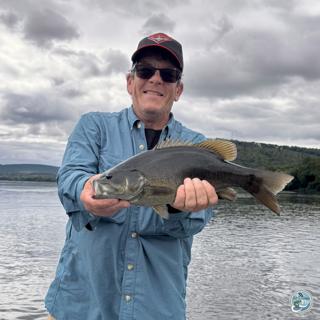
S8, Ep 74: Pennsylvania Smallmouth Wrap-Up: Captain Brian Shumaker on Low Water and Stingy Fish

S8, Ep 74: Pennsylvania Smallmouth Wrap-Up: Captain Brian Shumaker on Low Water and Stingy Fish

Episode OverviewIn the final Pennsylvania Smallmouth Report of the season on The Articulate Fly, Captain Brian Shumaker of Susquehanna River Guides explains how to keep putting smallmouth bass in the ...

7 Okt 9min
S8, Ep 72: Casting Essentials: Mac Brown's Guide to Power and Arc

S8, Ep 72: Casting Essentials: Mac Brown's Guide to Power and Arc

Episode OverviewOn this Casting Angles episode of The Articulate Fly, host Marvin Cash and Mac Brown, fly casting instructor at Mac Brown Fly Fish in Bryson City, North Carolina, unpack the biggest li...

30 Sep 11min
S8, Ep 71: Fall Fishing Forecast: George Costa on Streamers, Hatches and Safety Tips

S8, Ep 71: Fall Fishing Forecast: George Costa on Streamers, Hatches and Safety Tips

Episode OverviewGeorge Costa, manager of TCO Fly Shop in State College, Pennsylvania, returns to The Articulate Fly for another Central PA Fishing Report as the region shifts firmly into fall. Recent ...

26 Sep 4min
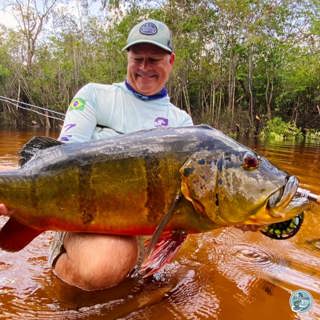
S8, Ep 70: REDUX: Nomadic Waters and the Allure of Amazonian Peacock Bass

S8, Ep 70: REDUX: Nomadic Waters and the Allure of Amazonian Peacock Bass

Episode OverviewIn this episode of The Articulate Fly, host Marvin Cash sits down with Michael Williams, owner and host of Nomadic Waters, to explain how anglers catch Amazon peacock bass on the fly a...

24 Sep 1h 15min
S8, Ep 69: Navigating the Transition: Captain Brian Shumaker on Smallmouth Behavior and Fishing Techniques

S8, Ep 69: Navigating the Transition: Captain Brian Shumaker on Smallmouth Behavior and Fishing Techniques

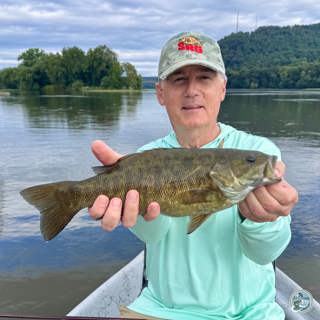
Episode OverviewOn this Pennsylvania Smallmouth Report from The Articulate Fly fly fishing podcast, host Marvin Cash checks in with Captain Brian Shumaker of Susquehanna River Guides for an early fall...

23 Sep 8min

Populært innen Fakta

fastlegen
dine-penger-pengeradet
rss-kunsten-a-leve
relasjonspodden-med-dora-thorhallsdottir-kjersti-idem
fryktlos
rss-strid
rss-bisarr-historie
treningspodden
foreldreradet
jakt-og-fiskepodden
rss-orjasater
sinnsyn
mikkels-paskenotter
hverdagspsyken
gravid-uke-for-uke
hr-podden-2
rss-mind-body-podden
dopet
rss-impressions-2
takk-og-lov-med-anine-kierulf