

188 | Stay the Course: Investment Strategy During Market Downturns

188 | Stay the Course: Investment Strategy During Market Downturns

The biggest investing decision you'll ever make isn't picking stocks or timing the market—it's deciding what percentage of your portfolio goes into stocks versus bonds. Rick Ferry breaks down asset allocation using a surprisingly simple metaphor: a birthday cake. The cake itself is your stock allocation (the growth engine), bonds are the frosting (stability), and cash is the sprinkles on top (immediate needs). But here's where it gets interesting—if you decide to add extra "icing" by overweighting small cap value or other tilts, you'd better love that flavor, because you'll be eating it for 25 years. Ferry challenges the one-size-fits-all advice that dominates the FI community, making a critical distinction between investment philosophy and strategy. While your philosophy might be "stay the course," your strategy—the specific mix of assets—has to be tailored to your unique circumstances, risk tolerance, and, most importantly, your ability to stick with it during market crashes. This episode tackles the risks of chasing trendy allocations, the psychology of watching your portfolio underperform, and why emotional comfort might matter more than optimal returns. Chapters: [00:00:00] Introduction to Rick Ferry [00:04:00] Asset Allocation Metaphor: The Cake [00:09:05] Small Cap Value Discussion [00:15:01] Investment Philosophy vs. Strategy [00:24:19] Understanding Emotional and Behavioral Aspects of Investing [00:26:15] Conclusion and Resources Key Quotes: "Key investing decision: Balance your stock and bond allocations." [00:04:35] "Investing is a long-term commitment—choose your strategy wisely." [00:11:35] "Your ability to stick with your portfolio matters more than the exact allocations." [00:25:20] "Your strategy must match your commitment level." [00:26:06] "Self-awareness is key to successful investing." [00:24:19] Key Takeaways: Asset Allocation is Key: Determine the right balance between stocks, bonds, and cash, as these will dictate your investment performance. [00:04:00] Long-Term Commitment: Investment strategies should be maintained over long periods, even when underperformance occurs. [00:11:35] Personalized Strategies: Investment choices should be based on individual financial situations, risk tolerance, and emotional comfort levels rather than generic advice. [00:15:01] Emotional Comfort Matters: Your capacity to endure market fluctuations is vital; develop a strategy that aligns with your psychological comfort. [00:25:20] Action Items: Evaluate how much risk you can handle in market downturns; this will guide your asset allocations. [00:19:28] Focus primarily on the significant factors influencing your portfolio, particularly the balance between equities and fixed income. [00:18:52] Create a personalized investment policy prior to market fluctuations; define how you will react in volatile situations. [00:20:14] Terminology: Asset Allocation: The process of dividing investments among different asset categories, such as stocks, bonds, and cash. [00:04:00] Small Cap Value: Stocks of smaller companies that are considered to be underpriced compared to their fundamentals. [00:09:05] Index Funds: Mutual funds or ETFs designed to follow a particular index, allowing for broad market exposure. [00:15:01] Bogleheads: A group of investors who follow the investing principles of John Bogle, focusing on low-cost index investing. [00:26:15] Related Resources: Rick Ferry's Website [00:26:15] Bogleheads on Investing Podcast [00:26:15] ▶ Listen Next: Ep. 189 — Investor Policy Statement | Essential Listening

Denne episoden er hentet fra en åpen RSS-feed og er ikke publisert av Podme. Den kan derfor inneholde annonser.

Episoder(692)

609 | How to Talk to Your Partner about FI | Jasper Lee

609 | How to Talk to Your Partner about FI | Jasper Lee

Your spouse shoots down every FI conversation with "we can't afford it" or "retirement at 35 sounds crazy." You respond with better spreadsheets, tighter logic, more compelling numbers—and somehow mak...

27 Jul 59min

608 | Die With Zero, Revisited

608 | Die With Zero, Revisited

Brad Barrett's daughter just graduated high school. She's heading to college in a few months. The number of times he'll see her for the rest of his life? Already countable. This realization—visceral a...

20 Jul 1h 13min

607 | Other Mountains I Want to Climb | Diania Merriam

607 | Other Mountains I Want to Climb | Diania Merriam

Reaching financial independence is supposed to be the goal—but what if you get there and realize the real skill isn't earning or saving, but learning to spend? And what if the metric for business succ...

13 Jul 1h 21min
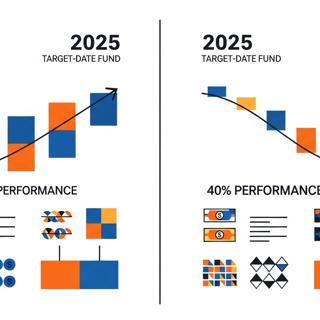
606 | Deep Dive: Target-Date Retirement and Bond Funds | Cody Garrett

606 | Deep Dive: Target-Date Retirement and Bond Funds | Cody Garrett

Most investors think they're buying the same thing when they choose a target date fund—but two people who bought 2025 target date funds 15 years ago could have 40% different returns today. Same target...

6 Jul 1h 8min

605 | Retire in Less Than 10 Years

605 | Retire in Less Than 10 Years

At 21, Cody Berman appeared on ChooseFI as a college student discovering financial independence. Three years later, he retired at 26. Now 30 with a $5 million net worth, he's back to reveal exactly ho...

29 Jun 1h 7min

604 | Getting Personal With Personal Finance: Bill Yount

604 | Getting Personal With Personal Finance: Bill Yount

Bill Yount reached financial independence at 60—then froze. His financial advisor confirmed 100% security, yet instead of relief, he felt disoriented fog. The emergency medicine physician who transfor...

22 Jun 1h

603 | Crash Proof: The Science Of Stock Market Resilience | Brian Feroldi

603 | Crash Proof: The Science Of Stock Market Resilience | Brian Feroldi

The stock market crashes about once every three years—at least a 20% drop. Most investors panic and sell. But if you understood why markets always recover, you'd do the opposite. Brian Feroldi reveals...

15 Jun 51min
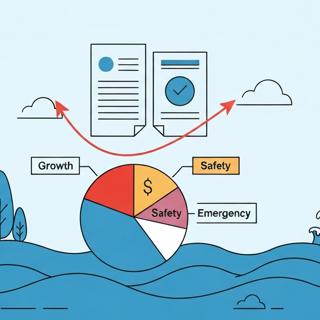
602 | FI 201 Beyond FI Basics: Asset Allocation & Market Psychology Mastery

602 | FI 201 Beyond FI Basics: Asset Allocation & Market Psychology Mastery

Most investors lose to the market because they're trying to pick winners in a game where only 4% of stocks have created 100% of market wealth over the past century. The math isn't in your favor—but th...

8 Jun 1h 1min

Populært innen Business og økonomi

stopp-verden
dine-penger-pengeradet
e24-podden
rss-penger-polser-og-politikk
lydartikler-fra-aftenposten
pengepodden-2
rss-borsmorgen-okonominyhetene
tid-er-penger-en-podcast-med-peter-warren
utbytte
morgenkaffen-med-finansavisen
rss-pa-konto
liberal-halvtime
livet-pa-veien-med-jan-erik-larssen
finansredaksjonen
pengesnakk
lederpodden
rss-skravla-gar
okonomiamatorene
rss-renters-rente
rss-pengefrihet-reisen-mot-okonomisk-frihet