Methadone pharmacokinetics and interactions

Methadone pharmacokinetics and interactions

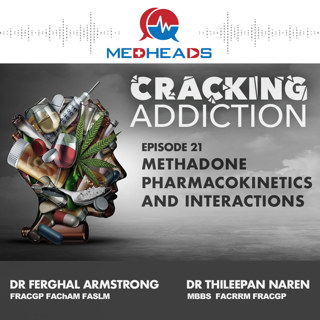
Episode 21 of Cracking Addiction explores methadone pharmacokinetics, breakdown and interactions within the body and interactions with other drugs.

Methadone is a drug with a wide variability in its absorption with oral bio-availability ranges from 35% to 100%. This is a significant amount of variability and explains why the same dose of Methadone can impact different patients differently.

Methadone is metabolised within the liver by the cytochrome P450 enzymes but mainly 3A4. There is a 17-fold inter-individual variation of methadone blood concentration for a given dosage and variations in metabolism account for a large part of this variation. Kinetic interactions influenced by the CYP 450 enzyme can affect plasma methadone levels.

• Inducers of CYP450 can

• Accelerate the metabolism of methadone

• lower methadone plasma levels

• Precipitate opioid withdrawal

• Inhibitors of CYP450 can

• Slow the metabolism of methadone

• Increase plasma levels

• Produce opioid toxicity (sedation, overdose)

Methadone is excreted renally with approximately 10% of drug renally eliminated unchanged. Renal excretion of methadone urinary pH dependent with increased Methadone excretion noted at pH less than 6 and decreased Methadone excretion at higher pH levels.

About Meducate ®

Meducate provides online education for doctors, clinicians, health professionals and the public.

See the website to browse the many different talks and courses availablehttps://www.meducate.com.au

Denne episoden er hentet fra en åpen RSS-feed og er ikke publisert av Podme. Den kan derfor inneholde annonser.

Episoder(246)

Meth Withdrawal — Why It Takes 6 Months to Feel Normal Again

Meth Withdrawal — Why It Takes 6 Months to Feel Normal Again

Why does meth withdrawal take 6 months when alcohol withdrawal takes days?It's all about dopamine depletion and neuroplasticity 🧠Dr. Ferghal breaks down:• The 3-phase withdrawal timeline• What happen...

27 Mai 6min
Childhood Obesity: Why 30% of Kids We Help Have Food Trauma Issues

Childhood Obesity: Why 30% of Kids We Help Have Food Trauma Issues

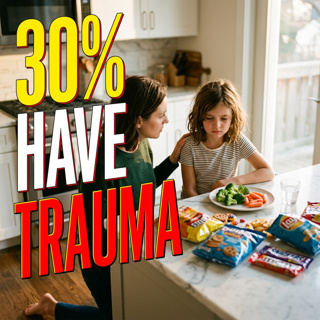
30% of kids with excess weight that we help have trauma-based eating patterns. That's not willpower failure — that's biology. When children experience domestic violence, financial stress, or emotional...

20 Mai 16min
Binge Drinking: The Hidden Truth About Weekend Warriors

Binge Drinking: The Hidden Truth About Weekend Warriors

MYTH: You need to hit 'rock bottom' to recover from addiction. But here's what addiction specialist Dr. Ferghal Armstrong's guest Tom reveals: his worst moment wasn't losing everything – it was waking...

13 Mai 21min

Attachment Issues Cause Addiction - 4 Types That Lead to Drugs

Attachment Issues Cause Addiction - 4 Types That Lead to Drugs

Think trauma only happens from big events like car crashes? Wrong. Dr. Ferghal here with a myth-bust that'll change how you see childhood forever.The biggest trauma isn't what you think — it's relatio...

6 Mai 24min

Benzodiazepine Withdrawal Waves Explained | Ashton Protocol

Benzodiazepine Withdrawal Waves Explained | Ashton Protocol

Most people are told that benzodiazepine withdrawal should improve in a straight line. That myth keeps many people trapped in shame, fear, and confusion when symptoms come back in waves. But brain rec...

23 Apr 7min

Quit Smoking: 30% Better Recovery from Drug Addiction

Quit Smoking: 30% Better Recovery from Drug Addiction

Dopamine pathways and addiction recovery: Why smoking during addiction treatment reduces your chances of lasting sobriety by 30%🚬 THE MYTH WE'VE ALL BELIEVEDFor decades, addiction treatment centres h...

15 Apr 3min

3 Evidence-Based Recovery Models That Actually Work

3 Evidence-Based Recovery Models That Actually Work

Recovery paths aren't one-size-fits-all. Dr. Fergal Armstrong explains why neuroplasticity supports multiple evidence-based approaches to addiction recovery.**THE MYTH: One "Right" Way to Recover**Soc...

8 Apr 7min

The Neuroscience of Cravings and Brain Recovery

The Neuroscience of Cravings and Brain Recovery

Addiction neuroscience explains why cravings feel urgent, physical, and overpowering—and why that does not mean recovery is impossible.Many people still believe cravings happen because of weak willpow...

3 Apr 5min

Populært innen Helse

fastlegen
rss-gukild-johaug
psykodrama
hvordan-har-du-det-mann
lydartikler-fra-aftenposten
leger-om-livet
relasjonspodden-med-dora-thorhallsdottir-kjersti-idem
foreldreradet
rss-garne-damer
bak-fasaden-en-reise-i-livet-med-sykepleier-ine
rss-skravla-gar
morten-ramm-lar-kakla-ga-til-du-sovner
klimaks
rss-lopedrommen
hjernesterk
g-punktet
sinnsyn
rss-kunsten-a-leve
hverdagspsyken
helsetipspodden