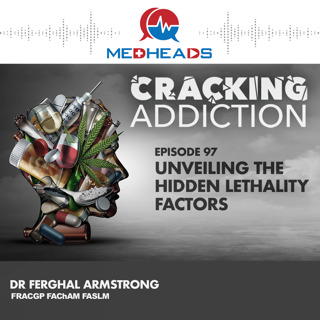
Unveiling the Hidden Lethality Factors in family violence

Unveiling the Hidden Lethality Factors in family violence

In this thought-provoking episode of Cracking Addiction, Dr Ferghal Armstrong and Steve Herd delve into the grim reality of family violence, focusing on the evidence-based risk factors for lethality. With a serious tone, they shed light on the Common Risk Assessment Framework, which highlights factors that significantly contribute to the risk of lethality in domestic abuse cases.

Drawing attention to the alarming statistics, the hosts reveal the distressing truth that more than one woman per week in Australia falls victim to fatal violence at the hands of a current or former partner. As the discussion unfolds, Ferghal and Steve underscore the importance of understanding high lethality factors in family violence, particularly the patterns of escalating violence. Steve Herd educates the audience about the chilling escalation of violence against women by partners, wherein physical abuse intensifies from a mere slap to a punch, and sometimes to a devastating push.

Ferghal Armstrong emphasises the grave nature of strangulation as the most significant physical risk factor in these cases. Astonishingly, victims of family violence often fail to disclose incidents of strangulation, further complicating the identification and prevention of lethal outcomes. The hosts shine a light on the often-overlooked risk factor of choking, revealing how victims may not openly admit to experiencing strangulation. Dr Ferghal explains that strangulation poses a risk not only to lethality but also to significant morbidity.

Shockingly, just 15 seconds of strangulation with a firm handshake grip strength is enough to cause urinary incontinence, while a mere 30 seconds can result in fecal incontinence. The episode explores the aftermath of family violence, emphasising that women who have experienced such abuse may downplay their ordeal but later recall waking up to find themselves wet or soiled. Furthermore, Ferghal Armstrong and Steve Herd shed light on the extensive damage strangulation can inflict, including harm to brain arteries, the thyroid gland, cartilage, and the voice box. This comprehensive discussion reveals the range of associated morbidities and illnesses, underscoring the urgent need to recognise and address strangulation as a high-risk factor that is often downplayed or misunderstood.

As the episode concludes, Ferghal Armstrong and Steve Herd leave the audience with a heightened awareness of the hidden dangers within family violence, urging society to take a stand against this pervasive issue and prioritise the safety and well-being of those affected. Note: The content described in the episode summary is of a serious nature, focusing on the severity and impact of family violence. The tone of the description reflects this seriousness and aims to raise awareness about the subject matter.

Episoder(238)

Can You Stop Antidepressants Safely? Tapering, Withdrawal & Advice from Dr. Ferghal Armstrong

Can You Stop Antidepressants Safely? Tapering, Withdrawal & Advice from Dr. Ferghal Armstrong

Can You Stop Antidepressants Safely? Tapering, Withdrawal & Advice from Dr. Ferghal ArmstrongAre you—or someone you care about—among the millions taking SSRI antidepressants for anxiety or depression?...

28 Mai 20257min
Why Alcohol Makes Anxiety Worse

Why Alcohol Makes Anxiety Worse

Why Alcohol Makes Anxiety WorseUnravel the Truth! In this Cracking Addiction episode, Dr. Ferghal Armstrong dives into the complex link between anxiety and alcohol. Ever wondered how are anxiety disor...

14 Mai 20259min
Tackling Dual Diagnosis: Treating Alcohol Dependence and Depression Together

Tackling Dual Diagnosis: Treating Alcohol Dependence and Depression Together

Tackling Dual Diagnosis: Treating Alcohol Dependence and Depression Together.Struggling with Alcohol and Depression? Unlock Dual Diagnosis Solutions! In this Cracking Addiction episode, Dr. Ferghal Ar...

7 Mai 20259min
How Australia's Free Naloxone Program Saves 3 Lives EVERY DAY!

How Australia's Free Naloxone Program Saves 3 Lives EVERY DAY!

How Australia's Free Naloxone Program Saves 3 Lives EVERY DAY!Australia’s Naloxone Program: Saving Lives, Closing Gaps, and Fighting Opioid Overdose Deaths Addiction Specialist Dr. Ferghal Armstrong d...

30 Apr 20259min
What Really Happens To Your Body On Ecstasy?

What Really Happens To Your Body On Ecstasy?

What Really Happens To Your Body On Ecstasy?Curious about the real truth behind Ecstasy (MDMA)? Think it’s a “safe party drug”? Think again! In this eye-opening episode of Cracking Addiction, Dr. Ferg...

23 Apr 202512min
Alcohol and Opioid Withdrawal: What You Need to Know

Alcohol and Opioid Withdrawal: What You Need to Know

Have you ever wondered about the difference between alcohol withdrawal and drug withdrawal? In this episode, Dr. Ferghal Armstrong breaks down alcohol withdrawal vs drug withdrawal, shedding light on ...

17 Apr 20255min
Urine Drug Test Explained - Why Your Drug Test Might Be Wrong?

Urine Drug Test Explained - Why Your Drug Test Might Be Wrong?

Ever wondered how a urine drug test really works—or how some people try to beat the system? This is the ultimate guide you've been searching for! In this compelling video, I dive deep into the fascina...

11 Apr 202519min

Cocaine Withdrawal Timeline And Treatment Facts You NEED To Know!

Cocaine Withdrawal Timeline And Treatment Facts You NEED To Know!

Curious about what cocaine withdrawal feels like? In this video, We break down everything you need to know about tackling the tough but manageable cocaine withdrawal journey. Join Dr Ferghal Armstrong...

3 Apr 202513min

Populært innen Helse

lydartikler-fra-aftenposten
fastlegen
hvordan-har-du-det-mann
rss-gukild-johaug
psykodrama
relasjonspodden-med-dora-thorhallsdottir-kjersti-idem
leger-om-livet
rss-garne-damer
foreldreradet
rss-lopedrommen
morten-ramm-lar-kakla-ga-til-du-sovner
bak-fasaden-en-reise-i-livet-med-sykepleier-ine
hjernesterk
klimaks
hormonelle-frida
sinnsyn
helsetipspodden
treningsprat
hverdagspsyken
g-punktet