Unraveling ADHD: Inattention, Hyperactivity, and Impulsivity

Unraveling ADHD: Inattention, Hyperactivity, and Impulsivity

In this episode of Cracking Addiction, Dr. Ferghal Armstrong and Dr. Manu Bhatnagar delve into the complexities of screening for ADHD in both children and adults. They break down the core concepts of inattention, impulsivity, and hyperkinesis, providing valuable insights into the often-misunderstood symptoms of this condition. Understanding how ADHD presents in children and adults, as well as the differential diagnosis considerations, can be crucial for parents, educators, and healthcare professionals. This episode offers valuable information for anyone navigating the challenges of identifying and understanding ADHD.

Focus Keyword: ADHD Screening

Dr. Manu Bhatnagar provides an in-depth understanding of inattention, explaining that ADHD doesn't necessarily equate to a deficiency in attention, but rather an inability to focus on a particular task for an extended period. He clarifies the distinction between concentration and attention, shedding light on the struggles individuals with ADHD face in prioritizing tasks and maintaining focus.

Learning Outcomes:

1. Understanding the Complexities of ADHD Presentation: Dr. Bhatnagar's insights highlight the multifaceted nature of ADHD symptoms, providing a clearer understanding of the challenges individuals face in managing their attention and impulsivity.


2. Differential Diagnosis Considerations: By exploring alternative diagnoses such as anxiety and autistic spectrum disorder, listeners gain an understanding of the importance of comprehensive assessments in ruling out other potential conditions before reaching an ADHD diagnosis.


3. The Impact of ADHD on Children: The episode delves into the potential repercussions of undiagnosed ADHD in children, offering valuable insights for parents and educators to recognize and address symptoms early on.


4. Utilising Screening Tools and Collateral Interviews: The discussion emphasises the significance of structured screening tools and obtaining collateral information from multiple sources to achieve a robust ADHD diagnosis.


Actionable Takeaways:


1. Encourage Collaborative Approach: Healthcare professionals, educators, and parents are encouraged to collaborate in providing comprehensive insights into a child's behaviour, ensuring all facets are considered when assessing ADHD.


2. Early Intervention: Recognising and addressing symptoms of ADHD in children early on can help prevent potential emotional and psychological impacts, emphasising the need for proactive intervention and support.


3. Comprehensive Assessments: Consider a holistic approach to diagnosis, including screening tools, collateral interviews, and comprehensive assessments, ensuring a thorough evaluation to capture the complexities of ADHD symptoms.


4. Seeking Support and Understanding: Individuals with ADHD may benefit from tailored support and understanding, emphasizing the importance of creating an environment that accommodates neurodiversity.


Quote:


Dr. Bhatnagar highlights the impact of undiagnosed ADHD, stating, "You can treat ADHD with a pill, you can't undo years of having undiagnosed ADHD and what that might do to someone's sense of self."


keywords

ADHD, prevalence, mental disorder, neurodevelopmental, screening, impulsivity, inattention, hyperkinesis, concentration, dopamine, norepinephrine, hyperfocus, success, expert, myth, functional, diagnostic criteria, sex gender, subtype, fidgeting, impulsivity, hyperactivity, angry outbursts, anxiety, sensitivity, specificity, differential diagnosis, language disorder, autism spectrum disorder, social services, psychosocial interventions

Episoder(238)

Dopamine, Relapse, and Recovery: Why Addiction Needs Long-Term Management

Dopamine, Relapse, and Recovery: Why Addiction Needs Long-Term Management

A lot of people still think addiction recovery is just about willpower.But addiction neuroscience tells a different story: dopamine, the reward system, and relapse risk all help explain why recovery o...

25 Mar 5min
Why You Can Be Detoxed and Still Addicted

Why You Can Be Detoxed and Still Addicted

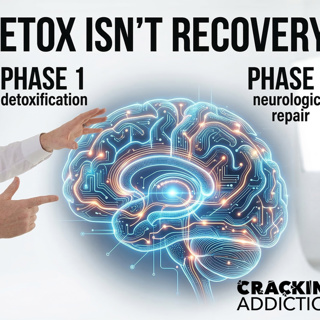
Addiction neuroscience, dopamine, cravings: detox ends withdrawal, but it does not end addiction.The MythA common myth in addiction recovery is that once detox is over, the problem is solved. Many peo...

18 Mar 5min
Relapse Happens to Everyone: Here's the Science Why - Addiction Basics 06

Relapse Happens to Everyone: Here's the Science Why - Addiction Basics 06

Dr. Fergal Armstrong reframes relapse in addiction, explaining why it's not a personal failure but a common part of the recovery journey, comparable to chronic illnesses. Understanding the neuroscienc...

11 Mar 5min
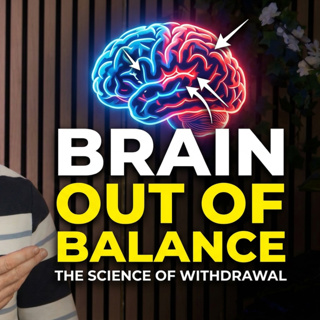
The Science of Withdrawal: What's Actually Happening? - Addiction Basics #5

The Science of Withdrawal: What's Actually Happening? - Addiction Basics #5

Withdrawal is one of the most feared parts of addiction recovery.But neuroscience shows something important:Withdrawal isn’t a failure of willpower — it’s the brain restoring balance after long-term c...

4 Mar 5min

Addiction vs Dependence vs Tolerance: The Critical Medical Difference

Addiction vs Dependence vs Tolerance: The Critical Medical Difference

🚨 TOLERANCE ≠ ADDICTION 🚨Most people — even healthcare professionals — use these terms incorrectly.And that confusion is hurting patients.In this episode, we break down:🧠 The real definition of add...

25 Feb 5min

Why Buprenorphine Is Safer Than Full Opioid Agonists

Why Buprenorphine Is Safer Than Full Opioid Agonists

Most people think methadone is the only real option for opioid addiction.Wrong.Buprenorphine — especially long-acting injectable depot — is flipping the entire system upside down.No daily pharmacy vis...

23 Feb 28min

How Cravings Work: Limbic System vs Prefrontal Cortex - Addiction Basics EP3

How Cravings Work: Limbic System vs Prefrontal Cortex - Addiction Basics EP3

Addiction neuroscience explains why wanting to quit isn’t the same as being able to quit. Dopamine reshapes the brain’s reward system.In Episode 3 of Addiction Basics, we tackle one of the most painfu...

18 Feb 6min
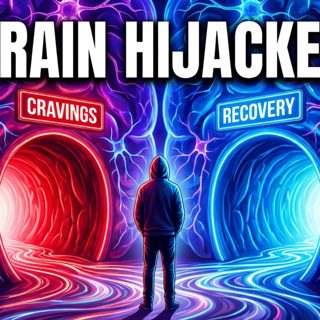
Dopamine and Addiction: The Science of Cravings - Addiction Basics EP2

Dopamine and Addiction: The Science of Cravings - Addiction Basics EP2

Addiction neuroscience explained. Dopamine, cravings, brain recovery, and neuroplasticity — backed by research.If you’ve ever wondered how addiction works in the brain, this is the science most people...

12 Feb 6min

Populært innen Helse

lydartikler-fra-aftenposten
fastlegen
hvordan-har-du-det-mann
rss-gukild-johaug
psykodrama
relasjonspodden-med-dora-thorhallsdottir-kjersti-idem
leger-om-livet
rss-garne-damer
foreldreradet
morten-ramm-lar-kakla-ga-til-du-sovner
rss-lopedrommen
bak-fasaden-en-reise-i-livet-med-sykepleier-ine
hjernesterk
klimaks
hormonelle-frida
sinnsyn
g-punktet
helsetipspodden
hverdagspsyken
rss-sunn-okonomi