Unraveling ADHD: Inattention, Hyperactivity, and Impulsivity

Unraveling ADHD: Inattention, Hyperactivity, and Impulsivity

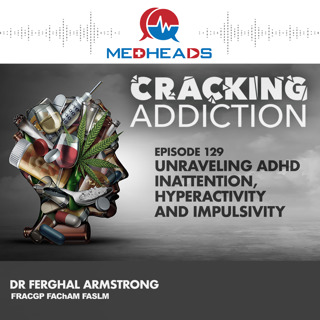
In this episode of Cracking Addiction, Dr. Ferghal Armstrong and Dr. Manu Bhatnagar delve into the complexities of screening for ADHD in both children and adults. They break down the core concepts of inattention, impulsivity, and hyperkinesis, providing valuable insights into the often-misunderstood symptoms of this condition. Understanding how ADHD presents in children and adults, as well as the differential diagnosis considerations, can be crucial for parents, educators, and healthcare professionals. This episode offers valuable information for anyone navigating the challenges of identifying and understanding ADHD.

Focus Keyword: ADHD Screening

Dr. Manu Bhatnagar provides an in-depth understanding of inattention, explaining that ADHD doesn't necessarily equate to a deficiency in attention, but rather an inability to focus on a particular task for an extended period. He clarifies the distinction between concentration and attention, shedding light on the struggles individuals with ADHD face in prioritizing tasks and maintaining focus.

Learning Outcomes:

1. Understanding the Complexities of ADHD Presentation: Dr. Bhatnagar's insights highlight the multifaceted nature of ADHD symptoms, providing a clearer understanding of the challenges individuals face in managing their attention and impulsivity.


2. Differential Diagnosis Considerations: By exploring alternative diagnoses such as anxiety and autistic spectrum disorder, listeners gain an understanding of the importance of comprehensive assessments in ruling out other potential conditions before reaching an ADHD diagnosis.


3. The Impact of ADHD on Children: The episode delves into the potential repercussions of undiagnosed ADHD in children, offering valuable insights for parents and educators to recognize and address symptoms early on.


4. Utilising Screening Tools and Collateral Interviews: The discussion emphasises the significance of structured screening tools and obtaining collateral information from multiple sources to achieve a robust ADHD diagnosis.


Actionable Takeaways:


1. Encourage Collaborative Approach: Healthcare professionals, educators, and parents are encouraged to collaborate in providing comprehensive insights into a child's behaviour, ensuring all facets are considered when assessing ADHD.


2. Early Intervention: Recognising and addressing symptoms of ADHD in children early on can help prevent potential emotional and psychological impacts, emphasising the need for proactive intervention and support.


3. Comprehensive Assessments: Consider a holistic approach to diagnosis, including screening tools, collateral interviews, and comprehensive assessments, ensuring a thorough evaluation to capture the complexities of ADHD symptoms.


4. Seeking Support and Understanding: Individuals with ADHD may benefit from tailored support and understanding, emphasizing the importance of creating an environment that accommodates neurodiversity.


Quote:


Dr. Bhatnagar highlights the impact of undiagnosed ADHD, stating, "You can treat ADHD with a pill, you can't undo years of having undiagnosed ADHD and what that might do to someone's sense of self."


keywords

ADHD, prevalence, mental disorder, neurodevelopmental, screening, impulsivity, inattention, hyperkinesis, concentration, dopamine, norepinephrine, hyperfocus, success, expert, myth, functional, diagnostic criteria, sex gender, subtype, fidgeting, impulsivity, hyperactivity, angry outbursts, anxiety, sensitivity, specificity, differential diagnosis, language disorder, autism spectrum disorder, social services, psychosocial interventions

Denne episoden er hentet fra en åpen RSS-feed og er ikke publisert av Podme. Den kan derfor inneholde annonser.

Episoder(246)

Meth Withdrawal — Why It Takes 6 Months to Feel Normal Again

Meth Withdrawal — Why It Takes 6 Months to Feel Normal Again

Why does meth withdrawal take 6 months when alcohol withdrawal takes days?It's all about dopamine depletion and neuroplasticity 🧠Dr. Ferghal breaks down:• The 3-phase withdrawal timeline• What happen...

27 Mai 6min

Childhood Obesity: Why 30% of Kids We Help Have Food Trauma Issues

Childhood Obesity: Why 30% of Kids We Help Have Food Trauma Issues

30% of kids with excess weight that we help have trauma-based eating patterns. That's not willpower failure — that's biology. When children experience domestic violence, financial stress, or emotional...

20 Mai 16min

Binge Drinking: The Hidden Truth About Weekend Warriors

Binge Drinking: The Hidden Truth About Weekend Warriors

MYTH: You need to hit 'rock bottom' to recover from addiction. But here's what addiction specialist Dr. Ferghal Armstrong's guest Tom reveals: his worst moment wasn't losing everything – it was waking...

13 Mai 21min
Attachment Issues Cause Addiction - 4 Types That Lead to Drugs

Attachment Issues Cause Addiction - 4 Types That Lead to Drugs

Think trauma only happens from big events like car crashes? Wrong. Dr. Ferghal here with a myth-bust that'll change how you see childhood forever.The biggest trauma isn't what you think — it's relatio...

6 Mai 24min

Benzodiazepine Withdrawal Waves Explained | Ashton Protocol

Benzodiazepine Withdrawal Waves Explained | Ashton Protocol

Most people are told that benzodiazepine withdrawal should improve in a straight line. That myth keeps many people trapped in shame, fear, and confusion when symptoms come back in waves. But brain rec...

23 Apr 7min

Quit Smoking: 30% Better Recovery from Drug Addiction

Quit Smoking: 30% Better Recovery from Drug Addiction

Dopamine pathways and addiction recovery: Why smoking during addiction treatment reduces your chances of lasting sobriety by 30%🚬 THE MYTH WE'VE ALL BELIEVEDFor decades, addiction treatment centres h...

15 Apr 3min

3 Evidence-Based Recovery Models That Actually Work

3 Evidence-Based Recovery Models That Actually Work

Recovery paths aren't one-size-fits-all. Dr. Fergal Armstrong explains why neuroplasticity supports multiple evidence-based approaches to addiction recovery.**THE MYTH: One "Right" Way to Recover**Soc...

8 Apr 7min

The Neuroscience of Cravings and Brain Recovery

The Neuroscience of Cravings and Brain Recovery

Addiction neuroscience explains why cravings feel urgent, physical, and overpowering—and why that does not mean recovery is impossible.Many people still believe cravings happen because of weak willpow...

3 Apr 5min

Populært innen Helse

fastlegen
rss-gukild-johaug
psykodrama
hvordan-har-du-det-mann
lydartikler-fra-aftenposten
leger-om-livet
relasjonspodden-med-dora-thorhallsdottir-kjersti-idem
foreldreradet
rss-garne-damer
bak-fasaden-en-reise-i-livet-med-sykepleier-ine
rss-skravla-gar
morten-ramm-lar-kakla-ga-til-du-sovner
klimaks
rss-lopedrommen
hjernesterk
g-punktet
sinnsyn
rss-kunsten-a-leve
hverdagspsyken
helsetipspodden