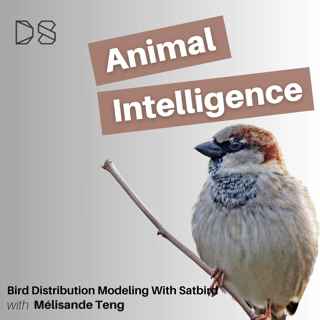
Bird Distribution Modeling with Satbird
This episode features an interview with Mélisande Teng, a PhD candidate at Université de Montréal. Her research lies in the intersection of remote sensing and computer vision for biodiversity monitori...
10 Sep 202439min
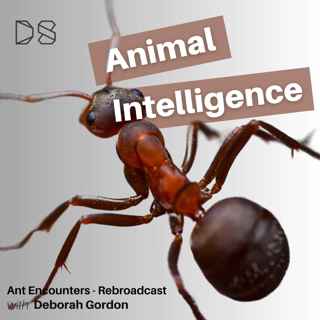
Ant Encounters
In this interview with author Deborah Gordon, Kyle asks questions about the mechanisms at work in an ant colony and what ants might teach us about how to build artificial intelligence. Ants are surpri...
26 Aug 202431min
Computing Toolbox
This season it's become clear that computing skills are vital for working in the natural sciences. In this episode, we were fortunate to speak with Madlen Wilmes, co-author of the book "Computing Skil...
19 Aug 202438min
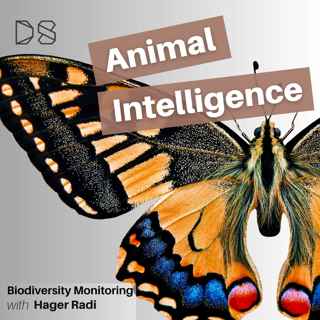
Biodiversity Monitoring
In this episode, we talked shop with Hager Radi about her biodiversity monitoring work. While biodiversity modeling may sound simple, count organisms and mark their location, there is a lot more to it...
14 Aug 202432min

Hacking the Colony
Today, Ashay Aswale and Tony Lopez shared their work on swarm robotics and what they have learned from ants. Robotic swarms must solve the same problems that eusocial insects do. What if your pheromon...
8 Aug 202441min
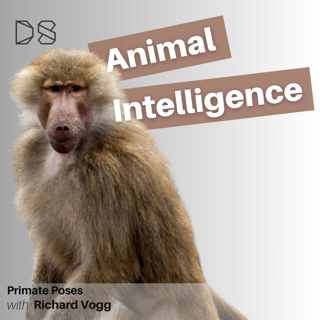
Primate Poses
During this season we have talked with researchers working to utilize machine learning for behavioral observations. In previous episodes, you have heard about the software people like Richard use, but...
31 Jul 202432min
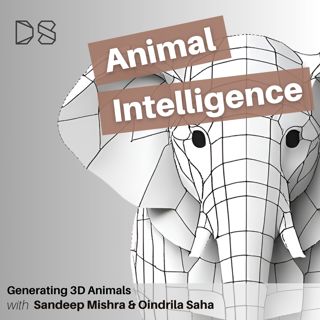
Generating 3D Animals with YouDream
Generative AI can struggle to create realistic animals and 2D representations often have mistakes like extra limbs and tails. If 2D wasn't hard enough, there are researchers working on generative 3D m...
23 Jul 20241h
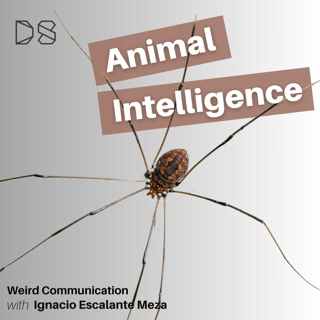
Weird Communication
Today, we sat down with Dr. Ignacio Escalante Meza to learn about opiliones and treehoppers. Opiliones, known as "daddy long legs" in the US, are understudied arachnids known for their tenacious locom...
15 Jul 202438min