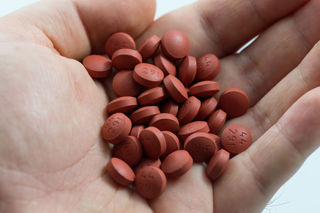

Opioid Miniseries Part III: Alternative to Opioids

Opioid Miniseries Part III: Alternative to Opioids

PRACTICE RECOMMENDATIONS

1. All emergency departments should implement ALTO programs and provide opioid-free pain treatment pathways for

the following conditions:

a. Acute on chronic opioid-tolerant radicular lower back pain

b. Opioid-naive musculoskeletal pain

c. Migraine or recurrent primary headache

d. Extremity fracture or joint dislocation

e. Gastroparesis-associated or chronic functional abdominal pain

f. Renal colic

2. Emergency departments should integrate ALTO into their computerized physician order entry systems to facilitate a seamless adoption by clinicians.

3. Low-dose, subdissociative ketamine (0.1-0.3 mg/kg) is an effective analgesic that can be opioid-sparing for many acute pain syndromes. Institutional guidelines and policies should be in place to enable clinicians and nurses who administer this agent for pain.

4. For musculoskeletal pain, consider a multimodal treatment approach using acetaminophen, NSAIDs, steroids, topical medications, trigger-point injections, and (for severe pain) ketamine.

5. For headache and migraine, consider a multimodal treatment approach that includes the administration of antiemetic agents, NSAIDs, steroids, valproic acid, magnesium, and triptans. Strongly consider cervical trigger-point injection.

6. For pain with a neuropathic component, consider gabapentin.

7. For pain with a tension component, consider a muscle relaxant.

8. For pain caused by renal colic, consider an NSAID, lidocaine infusion, and desmopressin nasal spray.

9. For chronic abdominal pain, consider low doses of haloperidol, diphenhydramine, and lidocaine infusion.

10. For extremity fracture or joint dislocation, consider the immediate use of nitrous oxide and low-dose ketamine while setting up for ultrasound-guided regional anesthesia.

11. For arthritic or tendinitis pain, consider an intra-articular steroid/anesthetic injection.

POLICY RECOMMENDATIONS

1. Hospitals should update institutional guidelines and put policies in place that enable clinicians to order and nurses to administer dose-dependent ketamine and IV lidocaine in non-ICU areas.

2. Emergency departments are encouraged to assemble an interdisciplinary pain management team that includes clinicians, nurses, pharmacists, physical therapists, social workers, and case managers.

3. Reimbursement should be available for any service directly correlated to pain management, the reduction of opioid use, and treatment of drug-addicted patients.

Episoder(1150)

Episode 932: Induction Agent Hypotension

Episode 932: Induction Agent Hypotension

Contributor: Aaron Lessen MD Educational Pearls: Induction agent selection during rapid sequence intubation involves accounting for hemodynamic stability in the post-intubation setting Many emerge...

25 Nov 20242min

Episode 931: Naloxone in Cardiac Arrest

Episode 931: Naloxone in Cardiac Arrest

Contributor: Aaron Lessen MD Educational Pearls: Can opioids cause cardiac arrest? Opioids can cause respiratory suppression and the subsequent low oxygen levels can lead to arrhythmias and eventual...

18 Nov 20243min

Episode 930: Holding Costs

Episode 930: Holding Costs

Contributor: Aaron Lessen MD Educational Pearls: A study evaluated the patient-care impact and financial costs of holding patients in the ED, a nationwide issue Prospective, observational study o...

15 Nov 20242min

Episode 929: Traumatic Aortic Injury

Episode 929: Traumatic Aortic Injury

Contributor: Aaron Lessen MD Educational Pearls: Aortic injury occurs in 1.5-2% of patients who sustain blunt thoracic trauma Majority are caused by automobile collisions or motorcycle accidents ...

4 Nov 20245min

Laboring Under Pressure Episode 4: Obstetric Emergency in South Africa with Dr. Meghan Hurley

Laboring Under Pressure Episode 4: Obstetric Emergency in South Africa with Dr. Meghan Hurley

Laboring Under Pressure Episode 4: Obstetric Emergency in South Africa with Dr. Meghan Hurley Contributors: Meghan Hurley MD, Travis Barlock MD, Jeffrey Olson MS3 Show Pearls Map of South Africa Refer...

31 Okt 202427min

Episode 928: Neutropenic Fever

Episode 928: Neutropenic Fever

Contributor: Taylor Lynch, MD Educational Pearls: What is neutropenic fever? Specific type of fever that is seen in cancer patients and other patients with impaired immune systems These patients a...

28 Okt 20245min

Episode 927: Functional Gallbladder Syndrome

Episode 927: Functional Gallbladder Syndrome

Contributor: Jorge Chalit-Hernandez, OMS3 Typically presents with biliary colic Right upper quadrant abdominal pain lasting more than 30 minutes and subsiding over several hours Often associate...

22 Okt 20245min

Episode 926: Supraventricular Tachycardia

Episode 926: Supraventricular Tachycardia

Contributor: Taylor Lynch MD Supraventricular tachycardias (SVTs) arise above the bundle of His The term SVT includes AV nodal reentrant tachycardia (AVNRT), atrioventricular reentrant tachycardi...

21 Okt 20246min

Populært innen Vitenskap

fastlegen
tingenes-tilstand
rekommandert
liberal-halvtime
sinnsyn
rss-nysgjerrige-norge
forskningno
rss-rekommandert
fjellsportpodden
smart-forklart
vett-og-vitenskap-med-gaute-einevoll
jss
villmarksliv
rss-overskuddsliv
kvinnehelsepodden
rss-radium
rss-inn-til-kjernen-med-sunniva-rose
nordnorsk-historie
nevropodden
hva-er-greia-med