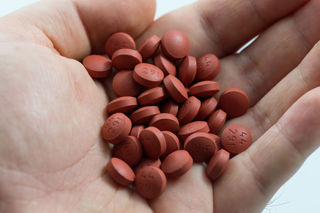

Opioid Miniseries Part III: Alternative to Opioids

Opioid Miniseries Part III: Alternative to Opioids

PRACTICE RECOMMENDATIONS

1. All emergency departments should implement ALTO programs and provide opioid-free pain treatment pathways for

the following conditions:

a. Acute on chronic opioid-tolerant radicular lower back pain

b. Opioid-naive musculoskeletal pain

c. Migraine or recurrent primary headache

d. Extremity fracture or joint dislocation

e. Gastroparesis-associated or chronic functional abdominal pain

f. Renal colic

2. Emergency departments should integrate ALTO into their computerized physician order entry systems to facilitate a seamless adoption by clinicians.

3. Low-dose, subdissociative ketamine (0.1-0.3 mg/kg) is an effective analgesic that can be opioid-sparing for many acute pain syndromes. Institutional guidelines and policies should be in place to enable clinicians and nurses who administer this agent for pain.

4. For musculoskeletal pain, consider a multimodal treatment approach using acetaminophen, NSAIDs, steroids, topical medications, trigger-point injections, and (for severe pain) ketamine.

5. For headache and migraine, consider a multimodal treatment approach that includes the administration of antiemetic agents, NSAIDs, steroids, valproic acid, magnesium, and triptans. Strongly consider cervical trigger-point injection.

6. For pain with a neuropathic component, consider gabapentin.

7. For pain with a tension component, consider a muscle relaxant.

8. For pain caused by renal colic, consider an NSAID, lidocaine infusion, and desmopressin nasal spray.

9. For chronic abdominal pain, consider low doses of haloperidol, diphenhydramine, and lidocaine infusion.

10. For extremity fracture or joint dislocation, consider the immediate use of nitrous oxide and low-dose ketamine while setting up for ultrasound-guided regional anesthesia.

11. For arthritic or tendinitis pain, consider an intra-articular steroid/anesthetic injection.

POLICY RECOMMENDATIONS

1. Hospitals should update institutional guidelines and put policies in place that enable clinicians to order and nurses to administer dose-dependent ketamine and IV lidocaine in non-ICU areas.

2. Emergency departments are encouraged to assemble an interdisciplinary pain management team that includes clinicians, nurses, pharmacists, physical therapists, social workers, and case managers.

3. Reimbursement should be available for any service directly correlated to pain management, the reduction of opioid use, and treatment of drug-addicted patients.

Episoder(1150)

Episode 894: DKA and HHS

Episode 894: DKA and HHS

Contributor: Ricky Dhaliwal, MD Educational Pearls: What are DKA and HHS? DKA (Diabetic Ketoacidosis) and HHS (Hyperosmolar Hyperglycemic State) are both acute hyperglycemic states. DKA More com...

11 Mar 20247min

Episode 893: Home Treatments for Button Battery Ingestion

Episode 893: Home Treatments for Button Battery Ingestion

Contributor: Aaron Lessen MD Educational Pearls: Button batteries cause alkaline corrosion and erosion of the esophagus when swallowed Children swallow button batteries, which create a medical eme...

4 Mar 20242min

Episode 892: Tourniquets

Episode 892: Tourniquets

Contributor: Ricky Dhaliwal, MD Educational Pearls: What can you do to control bleeding in a penetrating wound? Apply direct pinpoint pressure on the wound as well as proximal to the wound. Build ...

27 Feb 20245min
Pharmacy Phriday #11: Riddles, Medical Jargon, NNT, and Time Travel

Pharmacy Phriday #11: Riddles, Medical Jargon, NNT, and Time Travel

Contributors: Kali Olson PharmD, Travis Barlock MD, Jeffrey Olson MS2 Summary: In this episode of Pharmacy Phriday, Dr. Kali Olson joins Dr. Travis Barlock and Jeffrey Olson in studio to discuss a var...

23 Feb 202443min

Episode 891: Hypothermia

Episode 891: Hypothermia

Contributor: Taylor Lynch MD Educational Pearls Hypothermia is defined as a core body temperature less than 35 degrees Celsius or less than 95 degrees Fahrenheit  Mild Hypothermia: 32-35 degrees C...

19 Feb 20244min

Podcast 890: Outdoor Cold Air for Croup

Podcast 890: Outdoor Cold Air for Croup

Contributor: Jared Scott MD Educational Pearls: Croup is a respiratory condition typically caused by a viral infection (e.g., parainfluenza). The disease is characterized by inflammation of the lary...

14 Feb 20244min

Podcast 889: Blood Pressure Cuff Size

Podcast 889: Blood Pressure Cuff Size

Contributor: Aaron Lessen MD Educational Pearls: Does the size of a blood pressure (BP) cuff matter? A recent randomized crossover trial revealed that, indeed, cuff size can affect blood pressure read...

5 Feb 20241min

Podcast 888: Low GCS and Intubation

Podcast 888: Low GCS and Intubation

Contributor: Aaron Lessen MD Educational Pearls: Is the adage, "GCS of 8, you've got to intubate" accurate? A recent study published in the November 2023 issue of JAMA attempted to answer this questio...

29 Jan 20242min

Populært innen Vitenskap

fastlegen
tingenes-tilstand
rekommandert
liberal-halvtime
forskningno
sinnsyn
jss
rss-rekommandert
rss-nysgjerrige-norge
fjellsportpodden
vett-og-vitenskap-med-gaute-einevoll
villmarksliv
smart-forklart
kvinnehelsepodden
nordnorsk-historie
hva-er-greia-med
tidlose-historier
rss-inn-til-kjernen-med-sunniva-rose
nevropodden
aldring-og-helse-podden