Opioid MIniseries Part IV: Harm Reduction

Opioid MIniseries Part IV: Harm Reduction

PRACTICE RECOMMENDATIONS

1. Patients who abuse opioids should be managed without judgement; addiction is a medical condition and not a moral failing. Caregivers should endeavor to meet patients "where they are," infusing empathy and understanding into the patient/medical provider relationship.

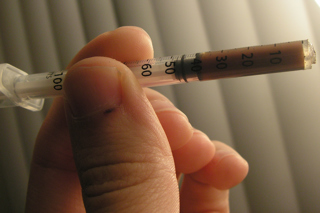
2. Every emergency clinician should be well-versed in the safe injection of heroin and other intravenous (IV) drugs, and understand the practical steps for minimizing the dangers of overdose, infection, and other complications. When treating patients with complications of IV drug use, injection habits should be discussed and instruction should be given about safe practices.

3. Emergency department patients who inject drugs should be referred to local syringe access programs, where they can obtain sterile injection materials and support services such as counseling, HIV/hepatitis testing, and referrals.

4. Emergency departments should provide naloxone to high-risk patients at discharge. If the drug is unavailable at the time of release, patients should receive a prescription and be informed about the over-the-counter availability of the drug in most Colorado pharmacies.

5. Emergency clinicians should be familiar with Colorado's regulations pertaining to naloxone. State laws eliminate liability risk for prescribing the drug, encourage good samaritan reporting of overdose, and make naloxone legal and readily available over the counter in most pharmacies.

6. Emergency department patients who receive prescriptions for opioids should be educated on their risks, safe storage methods, and the proper disposal of leftover medications.

POLICY RECOMMENDATIONS

1. Harm reduction agencies and community programs that provide resources for people who inject drugs (PWID) should be made readily available.

2. When local programs are unavailable for PWID, emergency departments should establish their own programs to provide services such as safe syringe exchanges.

Episoder(1146)

Podcast 598: Sepsis, Round One

Podcast 598: Sepsis, Round One

Contributor: Aaron Lessen, MD Educational Pearls: Early antibiotics have been shown to improve outcomes in septic patients time after time Emerging evidence challenges the concept of one-size-fits-al...

22 Sep 20203min

Podcast 597: Weather Can be a Headache

Podcast 597: Weather Can be a Headache

Contributor: Sam Killian, MD Educational Pearls: One study found that patients presented with headaches more frequently when there was high temperatures and low humidity, while higher humidity is cor...

21 Sep 20202min
Pediatric Emergencies Brewcast: Pediatric Trauma

Pediatric Emergencies Brewcast: Pediatric Trauma

Emergency Medical Minute collaborated with CarePoint Health in early March for a night of education on Pediatric Emergencies at a local Denver brewery for our latest Brewcast. Pediatric patients requi...

16 Sep 202024min
Podcast 596: Peripheral Vasopressors

Podcast 596: Peripheral Vasopressors

Contributor: Aaron Lessen, MD Educational Pearls: Traditional teaching has shied away from using vasopressors through peripheral IVs Tissue necrosis from extravasation is cited as a risk of use of va...

15 Sep 20203min

Podcast 595: Smoking. Still Bad

Podcast 595: Smoking. Still Bad

Contributor: Don Stader, MD Educational Pearls: On average, smoking reduces life expectancy by 13.2 years for men and for 14.5 years for women Nicotine is highly addictive and has both stimulant and ...

14 Sep 20203min
On The Streets #8: Limb Injury and Preservation

On The Streets #8: Limb Injury and Preservation

Dr. Glenda Quan, esteemed Trauma Surgeon at Swedish Medical Center, discusses cases related to limb injury and reviews their management. Topics include proper tourniquet application as well as altern...

9 Sep 202024min

Podcast 594: Topicalization for Awake Intubations

Podcast 594: Topicalization for Awake Intubations

Contributor: Ricky Dhaliwal, MD, JD Educational Pearls: Topical anesthetization can allow for an awake intubation, which substantially decreases chance of loss of airway or respiratory drive because ...

8 Sep 20203min

Podcast 593: TXA for GIB

Podcast 593: TXA for GIB

Contributor: Ricky Dhaliwal, MD, JD Educational Pearls: Tranexamic acid (TXA) as shown to have mortality benefit to patients with traumatic GI hemorrhage but should it be used to achieve hemostasis i...

7 Sep 20202min

Populært innen Vitenskap

fastlegen
rekommandert
jss
tingenes-tilstand
rss-rekommandert
villmarksliv
liberal-halvtime
sinnsyn
forskningno
rss-paradigmepodden
fjellsportpodden
nevropodden
rss-nysgjerrige-norge
diagnose
vett-og-vitenskap-med-gaute-einevoll
abid-nadia-skyld-og-skam
tidlose-historier
dekodet-2
smart-forklart
hva-er-greia-med